

Key Takeaways
What you eat before and after a workout can help maximize your performance.
- Before: Pair carbohydrates with protein, choose whole foods over supplements and stay hydrated to boost energy.
- After: Enjoy a balanced meal with protein, carbohydrates and healthy fats 30 minutes to 2 hours after exercise.
- Get Care: Listen to your body. Schedule an appointment with a nutritionist: Book online |800-822-8905.
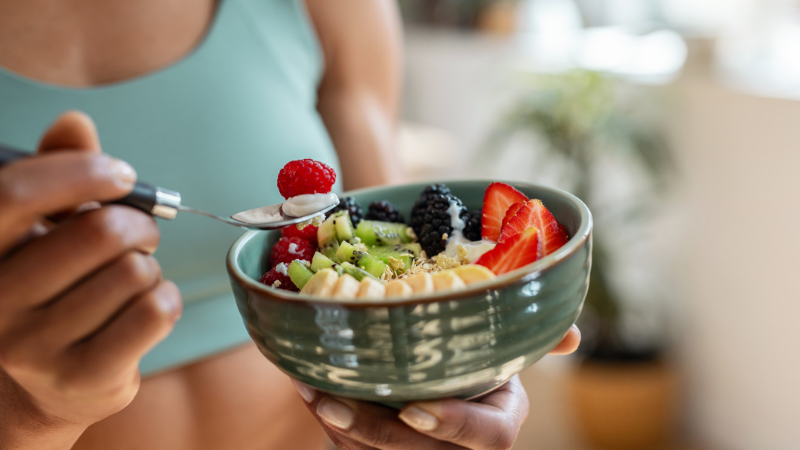
Eat Like an Athlete: What to Eat Before a Workout and 4 Other Smart Habits to Steal
Whether you exercise every day or consider yourself a weekend warrior, it’s important to nourish your body so you can maximize your performance.
While pro athletes eat to fuel training levels you’re probably not attempting to reach, you can still steal some of their eating habits. Doing so will improve how you feel during and after a workout.
Here are five athlete-inspired eating habits worth borrowing, according to Taylor D’Anna, R.D.N, C.D.N., C.L.C., a registered dietitian at Hackensack Meridian Health, the official Hometown Hospital of the New York New Jersey Host Committee for FIFA World Cup 2026TM.
1. Fuel for the Workout Ahead
The right pre-workout meal can boost energy, performance and recovery, D’Anna says.
About one to three hours before exercise, she recommends pairing carbohydrates with a small amount of protein for lasting energy and muscle support. The best options are easy to digest but filling enough to keep you satisfied.
Simple snacks to eat before a workout include:
- Apple with peanut butter
- Toast with eggs
- Greek yogurt with fruit
2. Rely on Whole Foods Instead of Supplements
Most athletes don’t build their diets around protein bars and shakes, D’Anna says. Instead, they focus on whole foods like lean protein, vegetables, fruit, whole grains and healthy fats, she adds.
“There are benefits to supplements and shakes, so I hate to totally discourage them,” she explains. “But whole foods are more readily digestible.”
They also naturally provide vitamins, minerals and fiber that processed supplements may lack, she says. Plus, some bars and shakes contain added sugar and ingredients that may cause digestive discomfort.
A meal-replacement bar or shake makes sense when you’re on the go, says D’Anna: “If you’re a busy parent trying to get to your workout, and you need something before or after, I totally understand.”
3. Stay on Top of Hydration
For athletes, hydration starts long before a workout. By the time you feel thirsty, dehydration may already be affecting your performance.
To stay properly hydrated, D’Anna recommends kick-starting your morning with at least one cup of water (about 8 ounces) and continuing to sip consistently throughout the day. Exact needs vary based on body composition and activity level, but on average, men need about 16 cups of fluids per day, and women need between 12 and 15, she says.
A simple way to check whether you’re getting enough? Look at your urine. If it’s dark or concentrated, you’re already dehydrated.
You can also boost hydration through food. Melons, berries, peppers and salads are all high in water content, D’Anna says.
For long or sweaty workout sessions, many athletes also rely on electrolytes, which help replace minerals lost through sweat. Adding electrolytes to your water can be beneficial, D’Anna says. Just look for options with simple ingredients and no added sugar.
4. Take Recovery Seriously
What you eat after a workout matters just as much as what you eat before. Post-workout nutrition restores energy, repairs muscle tissue and prepares your body for the next session.
D’Anna recommends eating a balanced meal with protein, carbohydrates and healthy fats within 30 minutes to two hours after exercise. Aim for a slightly higher amount of protein than you’d have at other meals, she adds, since your muscles need it to rebuild after the micro-damage of a workout.
Suggested meals to eat after a workout include:
- Whole-wheat tortilla with grilled chicken, vegetables and avocado
- Brown rice with salmon and vegetables
- Tofu with sweet potato and tahini
5. Plan Ahead
One of the most important nutrition habits among athletes has nothing to do with fancy meals. It’s just being prepared.
“When your back is against the wall, and you’re short on time, that’s when you make bad nutrition decisions,” D’Anna says. To avoid that, athletes tend to do meal prep, keep easy snacks on hand and plan their post-workout meals in advance.
D’Anna practices what she preaches. As a working parent of four, she preps her family’s lunches and her dinner protein the night before.
“I already know what I’m going to have, so there’s no thinking about it in the morning.”
When to See a Registered Dietitian
How can you tell if your current eating habits support your training? “Pay attention to how you feel,” D’Anna says.
Are your muscles recovering well? Do you have enough energy during and after your workouts? If not, those may be signs you could benefit from a personalized nutrition plan.
At Hackensack Meridian Health, we have dietitians who specialize in sports nutrition — they can create an eating plan just for you.
That said, anyone can benefit from working with a registered dietitian, especially if they’re getting ready to start a new exercise program or have a specific event in mind, D’Anna says. And it’s particularly important if you have a condition like diabetes, kidney disease or food allergies.
Next Steps & Resources:
- Meet our source: Taylor D’Anna, R.D.N, C.D.N., C.L.C.
- Learn more about our nutrition services.
Find a doctor near me
Are Pre-Workout Supplements Healthy?
Learn about pre-workout supplement health. Expert dietitian Robert Hildebrandt, RDN, CDCES, of Southern Ocean Medical Center shares advice on safe choices and alternatives for better workouts. Call 800-822-8905.

Signs You Need to Slow Down Your Exercise
Avoid exercise injuries. Dr. Ashmyan shares signs of overtraining & how to prevent them. Learn to listen to your body and prevent orthopedic issues. Call 800-822-8905.

Five Benefits of Strength Training
Five Strength Training Benefits. Build muscle, boost metabolism, improve bone health, reduce injury risk, and ease symptoms. Learn more and schedule an appointment today.
The Gut Health Breakfast Doctors Recommend
The best breakfast for gut health may surprise you. A gastroenterologist shares the top foods that help support digestion and reduce bloating.