

Key Takeaways
Trans-Arterial Micro-Perfusion (TAMP™) delivers chemotherapy directly into a pancreatic tumor instead of throughout the whole body.
- How it works: The medication is delivered via a catheter during an outpatient procedure.
- Side effects: The treatment causes fewer side effects, such as nausea and fatigue, than standard IV chemotherapy.
- Get care: If you or a loved one needs advanced pancreatic cancer treatment, schedule a surgical oncology appointment: Book online | 800-822-8905.
Medically reviewed by Gregory J. Tiesi, M.D., FACS, FSSO, Hepatobiliary Surgery, Hackensack Meridian Jersey Shore University Medical Center.
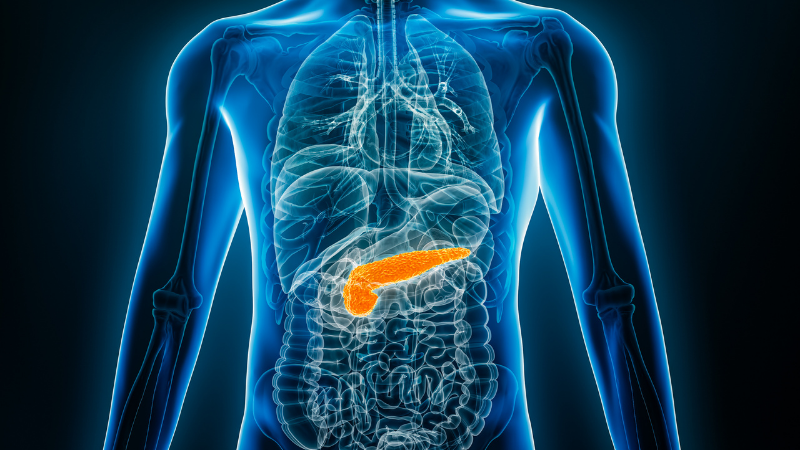
Pancreatic cancer is one of the most difficult cancers to treat.
But a new treatment called Trans-Arterial Micro-Perfusion (TAMP™) can help by delivering chemotherapy directly to the tumor instead of throughout the body.
Jersey Shore University Medical Center is currently the only hospital in New Jersey to offer TAMP therapy.
Here’s how this pancreatic cancer treatment works, plus how it can benefit you or a loved one.
What Is TAMP?
“Very simply put, it is a way to deliver chemotherapy directly to a pancreatic cancer tumor,” says Gregory J. Tiesi, M.D., FACS, FSSO, Chief of Surgical Oncology: Southern Region and Medical Director of Hepatobiliary Surgery at Jersey Shore.
Unlike standard intravenous (IV) chemotherapy, which travels through the bloodstream and affects the whole body, TAMP is designed to concentrate treatment at the tumor site.
The goal is to hit the tumor with a high concentration of chemotherapy while limiting how much reaches the rest of the body, he adds.
How Does It Work?
Your doctor inserts a thin tube called a catheter through an artery, usually in the groin, and carefully guides it toward the blood vessels that are supplying the tumor in the pancreas, says Dr. Tiesi.
Once the catheter is in place, chemotherapy is delivered directly to the tumor. This targeted approach helps concentrate the pancreatic cancer treatment where it’s needed most.
What Is the Procedure Like?
TAMP is done in an outpatient setting under conscious sedation; most people go home the same day. “The procedure itself is relatively quick,” says Dr. Tiesi.
The treatment is done every two weeks, usually for up to eight treatments, though your care team decides how many you need. That may seem like a lot, but each treatment is much shorter than a typical chemotherapy infusion, notes Dr. Tiesi.
In the two weeks between each catheterization, you don’t undergo any other pancreatic cancer treatments, and people generally feel well, he says.
What Are the Benefits?
Because TAMP delivers chemotherapy directly to the tumor, less of the medication comes into contact with healthy tissue. That means it may cause fewer side effects, such as nausea, fatigue and hair loss, than standard chemotherapy does, says Dr. Tiesi.
Since you’re not constantly going for infusions and feeling sick, your quality of life also tends to be markedly better, he adds.
“It’s tough to cure pancreatic cancer in anyone unless it’s caught very early,” says Dr. Tiesi. “But that doesn’t mean we don’t try to prolong survival and preserve quality of life, which TAMP seems to do.”
What Are the Risks?
Like any procedure, TAMP comes with potential risks and side effects. In clinical studies, the most common side effects were nausea, vomiting and abdominal pain. Rare but more serious complications, such as infection or problems with the blood vessels used during the procedure, have also been reported.
Not everyone with pancreatic cancer is a candidate for TAMP, and your care team will weigh the benefits and risks with you.
Who Is a Good Candidate?
TAMP is mainly used for pancreatic cancer that’s localized in the pancreas and nearby tissues. “The benefit is greatest when the cancer has not spread to other organs,” says Dr. Tiesi.
The treatment may be an option if your tumor can’t be removed with surgery or if you’re not yet a candidate for surgery but hope to become one. According to Dr. Tiesi, concentrating a high dose of chemotherapy on the tumor may sometimes shrink it or loosen its grip on nearby blood vessels, making surgery possible.
“We strongly advise people to have radiation before [the treatment], because it makes the TAMP work better. It’s not an absolute requirement, but we strongly prefer it,” says Dr. Tiesi. One likely reason: Radiation reduces the small blood vessels around the tumor, so less chemotherapy washes away and more stays in the tumor, research suggests.
“Over the length of my career, we’ve gone from a zero percent five-year pancreatic cancer survival rate to around 13 percent,” says Dr. Tiesi. “Those advances have been incremental, and what TAMP does is continue to add upon that.”
Next Steps & Resources:
- Meet our source: Gregory J. Tiesi, M.D.
- Learn more about cancer care at Hackensack Meridian Health.
Find a doctor near me
New Cancer Screening Tool Detects Cancer Sooner
Learn how a cancer risk assessment tool offered by cancer experts at Hackensack Meridian Health can help you reduce your cancer risk.
Cancer Clues Are In Your Genes
Discover if your genes may increase your cancer risk. Learn about hereditary cancer from leading doctors. Schedule an appointment today.
What Is Histotripsy? A Noninvasive Treatment for Liver Tumors
Histotripsy treatment uses focused ultrasound to destroy liver tumors without incisions. Learn how it works and who may be a candidate.

What Is PIPAC? A New Procedure for Cancer of the Abdominal Lining
Learn how PIPAC, a minimally invasive chemotherapy, is helping patients with cancer of the abdominal lining improve quality of life and extend survival.