

Key Takeaways
Smart travel habits can help prevent back pain and keep you comfortable on the road.
- Support: Use lumbar support and move often.
- Pack: Travel light and lift bags carefully.
- Get Care: Persistent back pain? Book online | 800-822-8905.
Medically reviewed by Dante A. Implicito, M.D., Orthopedic Surgeon, Hackensack Meridian Health
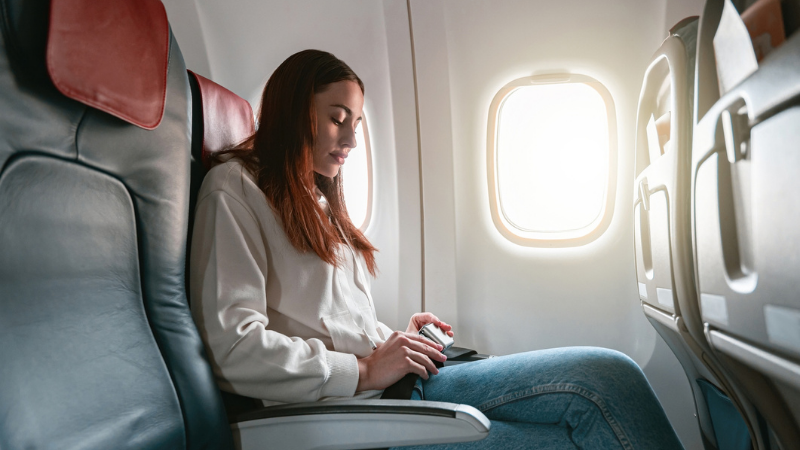
You packed your clothes, downloaded your boarding pass and planned every stop. But have you made a plan for your back?
Whether you're sitting in a car for hours, squeezed into an airplane seat or riding a train across the country, travel can put extra demands on your back. Long periods of sitting, awkward positions and lifting luggage can leave your back stiff and sore, and these struggles can be even worse if you already live with back pain.
The good news? A few simple strategies can help you arrive at your destination feeling better and ready to enjoy your trip.
Dante Implicito, M.D., regional chair of orthopedic surgery at Hackensack Meridian Health, regularly treats conditions that affect the spine and musculoskeletal system. He says travelers should think about back care before they even leave home.
“Travel can place unexpected stress on the spine,” says Dr. Implicito. “Long periods of sitting, combined with lifting luggage, sleeping in unfamiliar beds and changes in daily routines can all contribute to flare-ups of low back pain or sciatica.”
Marc Levine, M.D., chair of orthopedics at Jersey Shore University Medical Center, agrees that preparation is an important part of traveling comfortably.
“Spine care and preventive measures should start long before a scheduled trip,” says Dr. Levine.
Here’s how to give your back some extra attention before and during your travels.
Before You Go, Get Your Back Ready
If your trip involves more walking, hiking, golfing or sightseeing than your normal routine, don't wait until vacation to test your limits.
In the weeks leading up to your trip, focus on regular movement and exercises that are appropriate for you. Gentle stretching can help you stay flexible while strengthening exercises can help prepare your body for increased activity.
If you've recently had spine surgery or you're being treated for a back condition, talk with your healthcare provider before traveling. They can help you determine whether you're ready for your planned activities and whether you need any special precautions.
“A daily regimen of stretching and smart exercise will put you in top shape before embarking on a lengthy summer trip,” suggests Dr. Levine. “Take the time to ‘train’ for your travel so you can enjoy these special times.”
Make Your Seat More Back-Friendly
Transportation seats aren't designed specifically for your body. If your lower back isn't well supported, you'll want to make some adjustments.
Try these simple strategies:
- Support your lower back: Place a small pillow, lumbar roll or rolled-up jacket behind your lower back.
- Keep your posture comfortable: Avoid slouching for long periods.
- Choose an aisle seat when possible: It's easier to stand up and move around.
- Change positions regularly: Don't wait until your back starts hurting to move.
- Move while seated: Gentle ankle movements and shoulder rolls can keep you from feeling as stiff.
If you're driving, build regular stops into your route rather than trying to push through the entire trip. Getting out of the car, walking for a few minutes and gently stretching can give your back a much-needed break.
Don't Sit Still for Hours
Your back wasn't designed to stay in one position for an entire flight or road trip.
When you're traveling, think of movement as part of your itinerary. Get up and walk when it's safe to do so. Stretch your legs at rest stops. Even small movements throughout the trip are better than remaining completely still for hours.
Frequent movement can also make the transition from traveling to vacation activities easier. Instead of arriving at your destination after hours of sitting and immediately tackling a full day of sightseeing, give your body some time to move and loosen up.
Treat Your Luggage Like a Workout
Your suitcase might not feel heavy when you're packing it at home. It can feel very different when you're lifting it into an overhead compartment or pulling it out of a car trunk.
Whenever possible:
- Pack only what you need.
- Choose rolling luggage over bags you carry on one shoulder.
- Keep heavier items closer to the wheels of your suitcase.
- Avoid twisting while lifting or moving luggage.
- Ask for help with heavy bags.
When you need to lift a suitcase, don't try to muscle it into place in one motion. Break the movement into smaller steps when possible and keep the load close to your body. Your vacation or work trip is not the time to prove how much luggage you can lift.
Build a Back-Pain Travel Kit
If you already deal with back pain, consider packing a small comfort kit so you're prepared if discomfort develops.
Depending on what your healthcare provider recommends, your kit could include:
- A lumbar pillow or support
- A reusable or single-use heat wrap
- A cold pack
- Any medications you normally use for pain
- Comfortable shoes for walking
Keep medications with you rather than packing them in checked luggage. If you take prescription medication, keep it in its original container.
Having these items available means you won't have to spend part of your vacation searching for something to make your back feel better.
Balance Your Vacation Activities
If the journey doesn’t aggravate your back, what happens after you arrive might. A vacation packed with activities that you don’t normally do is a big adjustment for your bones and muscles. Give your body time to recover between demanding activities.
For example, you might plan a long walking tour one day and a more relaxed activity the next. If your back starts feeling sore, listen to it rather than pushing through increasingly uncomfortable symptoms.
Staying hydrated is also important, especially when you're spending time outdoors or being more active than usual.
Remember this goal: enjoy activities without asking your body to do too much, too quickly.
When Should You See a Doctor for Back Pain?
Travel-related soreness often improves with rest and a return to normal movement. But persistent or severe back pain deserves attention, particularly if it interferes with your daily activities.
Talk with a healthcare provider if your back pain is new, worsening or isn't improving. You should also seek medical attention for back pain accompanied by concerning symptoms such as significant weakness, numbness or changes in bladder or bowel control.
If you've been diagnosed with sciatica or another back condition, ask your provider what symptoms should prompt you to seek care while traveling.
But the biggest tip of all is: don't let the fear of back pain keep you from making travel plans.
“Fortunately, most individuals with back pain can travel safely and comfortably with appropriate preparation,” notes Dr. Implicito. “Taking a few simple preventive measures before and during your trip can significantly reduce the likelihood of pain and help you remain active throughout your travels.”
Next Steps & Resources
- Meet our sources: Dante A. Implicito, M.D and Marc Jason Levine, M.D.
- Explore the orthopedic services at Hackensack Meridian Health.
Find a doctor near me

Top 5 Causes of Back Pain in Women
Top 5 Causes of Back Pain in Women. Learn about common causes from Drs. Mizrahi and Bouganim. Find relief and schedule an appointment today.
What’s the Source of Your Back Pain?
Find back pain relief. Drs. Bagi and Levin explain causes, treatments, and when to seek medical care at Pascack Valley Medical Center. Learn more.

Easy Stretches for Back Pain Relief
Find back pain relief with easy stretches. Dr. Verma shares 10 exercises for home. Alleviate pain; improve your health. Call 800-822-8905.

Do Topical Patches Work for Back Pain?
Topical patches for back pain? Learn about capsaicin, lidocaine, and other options from Dr. Delavaux. Find pain relief solutions. Call 800-822-8905.