


Key Takeaways
Small changes to your diet and activity can help support strong bones over time.
- Nutrition: Choose foods rich in calcium, vitamin D and protein.
- Movement: Walking and light resistance exercise support bone health.
- Get Care: Need nutrition guidance? Book online | 732-888-5313.
Medically reviewed by Karen Campbell, RDN, Hackensack Meridian Bayshore Medical Center
You probably don't think much about your bones until something hurts or your doctor brings them up at an appointment. But building and maintaining strong bones starts with everyday choices, long before there's a reason to worry.
Your bones support your body, protect vital organs and help you move. As you age, maintaining bone strength becomes especially important for staying active and independent.
Thankfully, you don't have to take drastic measures to pay more attention to your bones. Adding leafy greens to dinner or taking a walk around the neighborhood are simple ways to build bone-supportive habits.
"Supporting your bones doesn't require a complete lifestyle overhaul,” says Karen Campbell, Registered Dietitian Nutritionist for Bayshore Medical Center's Nutrition and Diabetes Program. “Instead, it's about making small, consistent changes that add up over time.”
5 Everyday Habits That Help Support Bone Health
1. Add More Bone-Friendly Nutrients to Your Meals
Your bones need several nutrients to stay strong, including calcium, vitamin D and protein. You can get them from a variety of everyday foods.
- Calcium: Milk, yogurt, cheese, calcium-fortified plant-based milk, leafy greens, fortified cereals and calcium-set tofu
- Vitamin D: Fortified milk and some fatty fish. Your body also produces vitamin D when your skin is exposed to sunlight, though the amount varies.
- Protein: Eggs, fish, chicken, beans, lentils, tofu, nuts and dairy products
You don't have to overhaul your meals. Try adding yogurt to breakfast, tossing spinach into your eggs or choosing a calcium-rich snack such as cheese and whole-grain crackers.
2. Make Your Plate More Colorful
Adding a variety of vegetables and fruits to your meals helps you get a broader range of vitamins and minerals. Try adding kale to a salad, serving a green vegetable with dinner or mixing berries into your morning yogurt.
Small, colorful additions to meals you already enjoy can make healthy eating feel more manageable.
3. Get Moving With Weight-Bearing Activity
Physical activity helps support bone and muscle strength. Weight-bearing activities encourage your bones to work against gravity. Walking, dancing and climbing stairs are everyday examples. Resistance exercises, such as lifting weights or using resistance bands, can also help maintain strength.
If you're new to exercise, start with activities that fit your fitness level. If you have osteoporosis, a history of fractures or concerns about falling, ask your health care provider which activities are safest for you.
4. Spend Time Outdoors
A walk outside can help you combine physical activity with time in the fresh air. Outdoor activity may also contribute to vitamin D production, depending on factors such as the season, time of day and skin pigmentation.
Protect your skin from excessive sun exposure. Sunlight alone usually doesn’t provide enough vitamin D, so talk with your healthcare provider if you're concerned about getting enough.
5. Choose Snacks That Nourish Your Body
You don't have to give up your favorite treats to support your health. Instead, look for opportunities to include snacks that provide useful nutrients.
Try yogurt with fruit, hummus with vegetables, nuts and seeds or a fortified milk alternative. These simple swaps can help you add more nutrients to your day without making your routine feel restrictive.
The Bottom Line: Start Small and Stay Consistent
You don't need to change everything at once to support your bone health. Karen Campbell recommends focusing on small, intentional steps you can maintain over time.
"Health through nutrition isn't about being perfect. It's about taking mindful, intentional steps and building steady progress over time," says Campbell. "Keep it simple, enjoy your food, stay active and focus on nourishing your body with the nutrients it needs to keep your bones strong for years to come."
Keep these three tips in mind:
- Choose one change to start: Add a calcium-rich food to a meal, take a walk or swap one snack for a more nutrient-rich option.
- Build balanced meals: Include foods rich in calcium, vitamin D and protein, along with a variety of fruits and vegetables.
- Make movement a habit: Try walking for 30 minutes three times a week, if appropriate for your fitness level, and gradually build from there.
If you're unsure if you're getting enough of the nutrients you need, a registered dietitian can help you find practical ways to support your bone health. Talk with your healthcare provider about your concerns and whether personalized nutrition guidance could help.
Next Steps & Resources
- Learn more about nutrition services at Hackensack Meridian Health.
- Explore more nutrition content on Healthier You.
Find a doctor near me

Food Safety Tips Every Host Should Know
When hosting for a crowd, follow this simple guide to keep common bacteria and viruses off your menu.
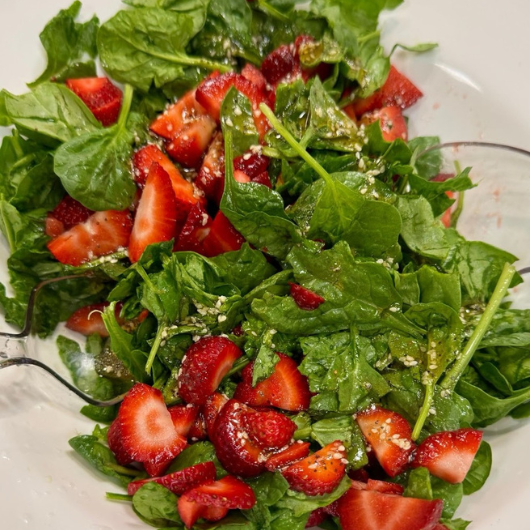
Recipe: Strawberry Spinach Salad
This strawberry spinach salad is fresh, healthy and easy to make. Get the simple recipe plus nutrition benefits and tips to customize it your way.
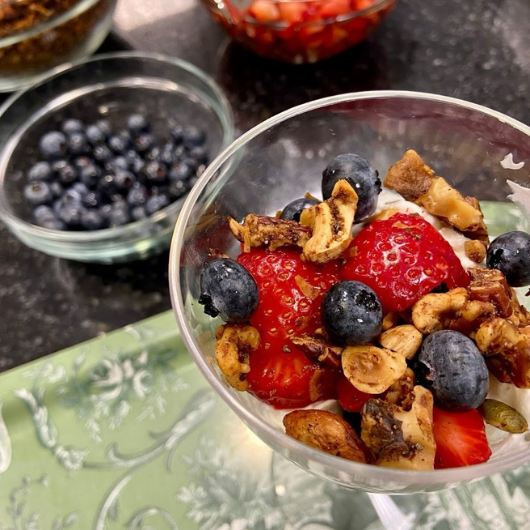
Recipe: Omega-3 Grain-Free Granola
Fuel your day with this omega-3–rich, grain-free granola, packed with nuts, seeds and healthy fats to boost energy and support appetite naturally. Get the recipe.
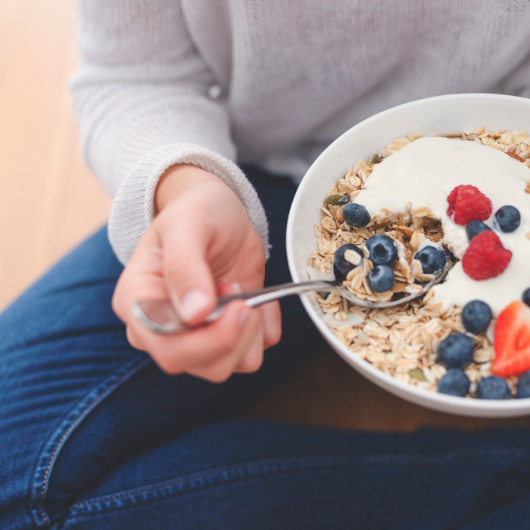
The Gut Health Breakfast Doctors Recommend
The best breakfast for gut health may surprise you. A gastroenterologist shares the top foods that help support digestion and reduce bloating.