


Key Takeaways:
- What is Menopause: The exact day it has been 12 months since your last period. The years of hormonal changes leading up to that day are called perimenopause.
- Symptoms: There are many symptoms, including brain fog, trouble sleeping, mood swings, joint pain and more.
- Get Care: Are you in menopause? Find relief today: Book a Virtual Visit with Midi
Source: Adapted from Midi Health’s education guide and symptom checklist, a partner of Hackensack Meridian Health.
Being a woman is marked by many pivotal, oftentimes uncomfortable, bodily changes. Puberty. Periods. Pregnancy. Childbirth. And then, like a cherry on top, perimenopause and menopause.
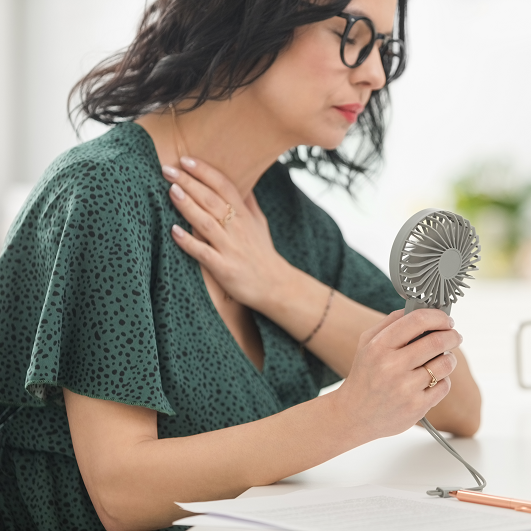
While the media usually boils it down to a woman furiously fanning herself through a hot flash, there is a whole lot more happening behind the scenes.
What is Menopause?
Part of the reason this stage of life is so misunderstood is the terminology itself. We tend to lump all of these confusing, chaotic symptoms together and simply call it “menopause.” But in reality, menopause is technically just a single milestone in a woman’s life: the day it has been exactly 12 months since your last period.
So if the years leading up to that aren't menopause, what are they? There are different stages to this journey. Our partners at Midi Health helped us break it down with guidance from their menopause education materials and symptom checklist.
The Stages of Menopause
The hormonal changes of menopause can actually start a lot earlier than you might think.
Perimenopause: The Transition Before Menopause
During perimenopause, hormone levels fluctuate, and periods may become less predictable. You may also notice changes in sleep, mood, or how you feel physically.
When perimenopause usually occurs: Ages 35-51
How long perimenopause can last: 7 to 14 years
The timing and duration vary. You can experience symptoms while you’re still having periods.
Menopause: A Milestone Confirmed After 12 Months
Natural menopause is confirmed after 12 consecutive months without a menstrual period, when there is no other explanation.
When menopause usually occurs: Ages 45-55
Average age of menopause: 51
You don’t have to wait until this milestone to talk with a Midi clinician about symptoms or seek care.
Postmenopause: The Years That Follow
Postmenopause is the time after menopause. Some symptoms may continue, and your care needs may change. In this stage, you no longer ovulate and cannot get pregnant “naturally”. Hormones stop fluctuating and levels stay low; some symptoms progress.
When postmenopause usually occurs: Ages 45-55
How long postmenopause lasts: The rest of your life
Perimenopause and Menopause Symptoms: More Than Hot Flashes
Changes in sleep, concentration, mood, and physical comfort can be difficult to connect—especially when several happen at once.
Midi developed a symptom checklist to help women recognize and describe what they’re experiencing. Examples from the checklist include:
- Sleep and energy: Difficulty sleeping, night sweats, or feeling tired even after enough sleep.
- Mood and thinking: Forgetfulness, brain fog, irritability, or feeling anxious or low.
- Physical symptoms: Hot flashes, headaches, muscle or joint discomfort, and changes in weight.
- Vaginal, urinary, and sexual health: Vaginal dryness, urinary urgency or leakage, changes in sexual desire, or painful sex.
These symptoms can have more than one cause. A clinician can help determine whether hormonal changes or another condition may be contributing.
You don’t need to arrive at an appointment with all the answers. Start by noting what has changed, how often it happens, and how it affects your day.
Hackensack Meridian Health has partnered with Midi Health to help women access specialized virtual care for perimenopause and menopause. Through Midi, you can meet with a clinician who specializes in this stage of life and receive a care plan tailored to your symptoms and needs.
Next Steps & Resources
- Get virtual care from menopause specialists with Midi.
- Looking for an in-person appointment? You can also connect with an HMH women’s health clinician.
Find a doctor near me
Menopause: Symptoms, Stages & What to Expect
Menopause symptoms? Learn about stages, symptoms, and treatment options from Dr. Rattigan. Manage your symptoms and improve your quality of life. Call 800-822-8905.

Surprising Ways Menopause Can Impact Heart Health
Menopause & Heart Health: Learn how menopause impacts your heart from Drs. Sahni & Vandyck-Acquah. Protect your heart health. Schedule an appointment today.

Do Menopause Testing Kits Work?
Menopause testing kits: Learn why at-home tests may not be the best option from Dr. Rattigan. Get expert advice and manage your symptoms. Schedule an appointment today.

Protecting Your Bones Through Menopause
Hormonal changes during menopause can cause several health issues for women, including osteoporosis. Our expert shares what you need to know about bone loss and how to prevent it at any age.