

Key takeaways
A muscle-sparing shoulder replacement is a procedure where surgeons move muscle instead of cutting it to reach the joint.
- Diagnosis: Len Lawton suffered from painful arthritis and a massive bone spur, which restricted his physical activity.
- Treatment: The team at HMH used a subscapularis-sparing approach to gently slide past the muscle instead of severing it..
- Get care: Living with chronic shoulder pain? Explore your treatment options: Book online | 800-822-8905.
Medically reviewed by Eitan Kohan, M.D., Orthopedic Surgeon, Hackensack University Medical Center.
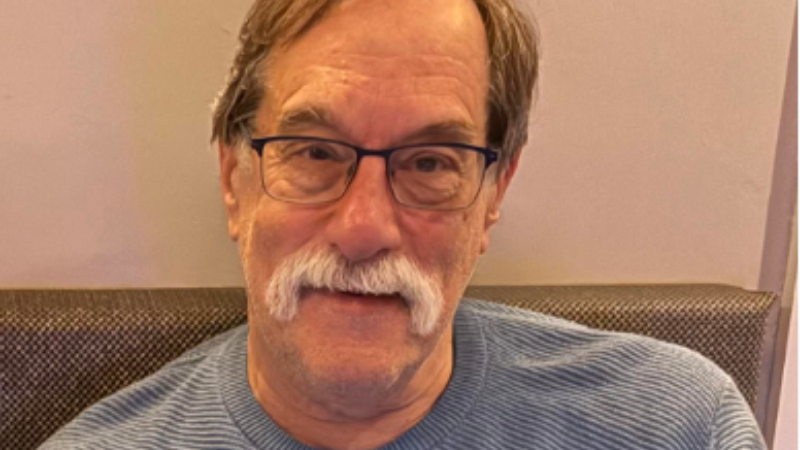
One breaststroke. That was all it took for Len Lawton to realize something was seriously wrong with his shoulder.
A few Christmases ago, the then-76-year-old was snorkeling on vacation when searing shoulder pain forced him to stop after a single stroke. For someone who had spent years playing softball, bumping volleyballs, swimming and hitting the gym, being sidelined was both frustrating and heartbreaking.
Years of an active lifestyle had taken a toll. Len had severe arthritis and a massive bone spur in his shoulder. Eventually, he couldn't put his arm behind his back or even pull on a coat.
Cortisone shots helped take the edge off the pain, but Len knew they were only delaying what seemed inevitable: a total shoulder replacement.
And that's when he discovered there was another option to consider.
A Different Approach to Shoulder Replacement
Tens of thousands of Americans have shoulder replacement surgery every year. The procedure can relieve severe pain and restore mobility lost because of conditions such as osteoarthritis, severe fractures or irreparable rotator cuff tears.
But to many people, the words "shoulder replacement" sound intimidating. Patients are often told to expect their arm to be immobilized in a sling for two to six weeks, followed by physical therapy that can take six to 12 months for a complete recovery.
Len and his wife, Liz, had heard about the difficult recovery. Liz quietly prepared herself to become a full-time caregiver while her husband healed.
Dissatisfied with the answers he was getting from a specialist at another hospital, Len's internist referred him to Eitan Kohan, M.D., an orthopedic surgeon at Hackensack University Medical Center.
It turned out to be one of the best recommendations of his life.
Dr. Kohan and Frank Alberta, M.D., two shoulder specialists in the Department of Orthopedic Surgery at Hackensack University Medical Center, are pioneering a new and innovative approach to shoulder replacement. But Len didn't know he was a candidate for the procedure until the morning of his surgery on June 10.
Moving the Muscle Instead of Cutting It
Traditional shoulder replacement surgery involves cutting through the shoulder muscles, soft tissue and tendons to reach the joint.
With the subscapularis-sparing approach, the surgeon gently pushes the tissues out of the way instead. The technique requires a slightly longer and highly advanced procedure in the operating room. For the patient, however, the potential benefits include less pain, preservation of the muscles and a much shorter rehabilitation.
There's also one important caveat: The surgeon won't know for absolute certain whether the muscle-sparing approach is possible until the operation is underway.
When Len heard that the recovery could be significantly easier, he didn't hesitate. He told Dr. Kohan to go for it.
"The beauty of the subscapularis-sparing approach is that by gently sliding past the muscle instead of severing it, we preserve the shoulder’s natural front wall,” explains Dr. Kohan. “Not only does this eliminate the painful wait for a cut tendon to heal, but it gives the new joint instant, built-in stability. It dramatically lowers the risk of dislocation, which is exactly why patients like Len can safely move their arm and get back to their daily routines almost immediately."
A Remarkably Fast Recovery
To say the procedure worked is an understatement. Len had his shoulder replacement and walked out of the hospital that same day. He didn't need to stay overnight.
And that dreaded six-week stint in a sling? Canceled.
Len was told he might need the sling for three to four days. In reality, he barely wore it around the house. He only put it on as a precaution when he went outside.
He admits he had some trouble shampooing his hair during those first few days. But he was already tying his own shoes. Liz's fears of playing full-time nurse quickly disappeared. Len simply didn't need the level of support they had expected.
Then came another surprise.
When Len went to physical therapy to start rehabilitation, his physical therapist measured his range of motion and couldn't believe what she saw. Len was the first patient she'd treated who had undergone this specific sparing procedure.
Just two weeks after surgery, she told him he looked like he was two months post-op. He was a full five weeks ahead of schedule.
Back to the Life He Loves
Today, Len is proud to be one of the first Hackensack University Medical Center patients to say yes to the procedure. He and Liz are recommending it to anyone who will listen.
Most importantly, Len is back to doing the things he needs to do and getting ready to jump back into the pool for a real swim soon.
Len is the perfect proof that shoulder replacement doesn’t have to mean putting your active life on hold for months. And for other people living with chronic shoulder pain, a grueling recovery doesn't have to be the only option.
Next Steps & Resources
- Meet our sources: Eitan Kohan, M.D. and Frank Alberta, M.D.,
- Learn more about orthopedics at Hackensack Meridian Health.

How Alignment Affects Shoulder Pain
Shoulder pain? Dr. Mehta explains how misalignment causes discomfort. Learn how to improve posture and prevent future pain. Call 800-822-8905.

Can You Heal a Torn Rotator Cuff Naturally?
Heal your torn rotator cuff naturally? Learn from Dr. Bassora about treatment options, including physical therapy and surgery. Call 800-822-8905.
New Option for Joint Pain Relief: Low Dose Radiation Therapy
Discover low-dose radiation therapy at Hackensack Meridian Health locations in NJ — an innovative new option for joint pain relief and osteoarthritis care.

Retired Police Officer Finds Relief with Shoulder Replacement
Southern Ocean Medical Center’s orthopedic team helps a retired police officer with a third shoulder operation.