

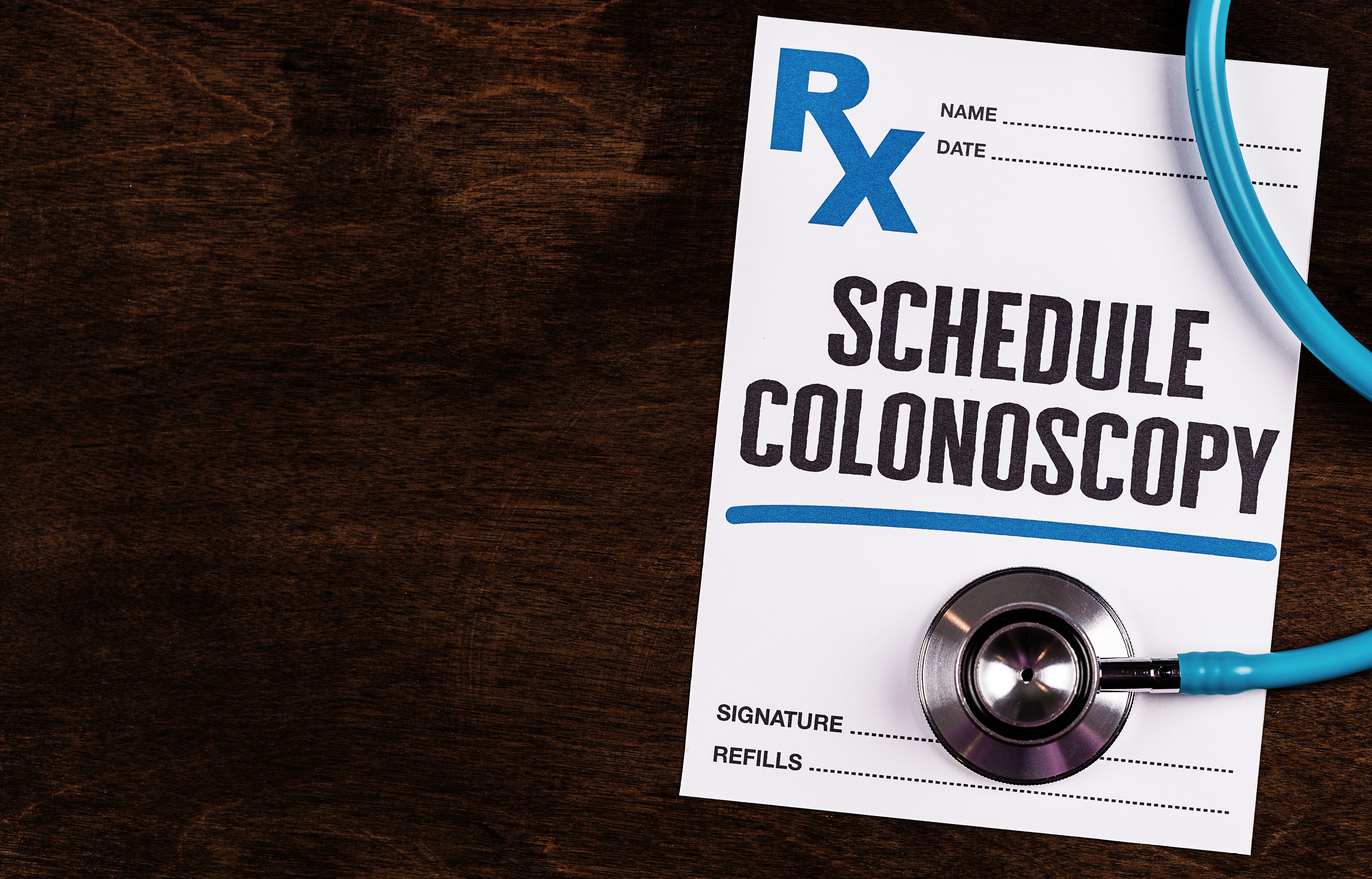
Cancer of the colon and rectum is the second deadliest cancer among U.S. adults – and recently there has been a sharp rise in colorectal cancer cases among adults under 55. The result? The American Cancer Society (ACS) has issued new guidelines for colorectal cancer screening, lowering the recommended age to begin screenings from 50 to 45 years old.
This month, National Colorectal Cancer Awareness Month, is an important time to learn about screening for the disease. The new ACS recommended age of 45 to begin screening is for those who have an average risk for colorectal cancer. For those with a high risk, they might consider receiving screening even earlier, as recommended by their health care provider. People at high risk include those with a personal history of colorectal cancer, having noncancerous polyps (growths), inflammatory bowel disease or a strong family history of colorectal cancer.
Types of Colorectal Cancer Screenings
Several tests may be used to screen for colorectal cancer. They can be divided into two broad categories; tests that look for signs of cancer in your stool, and visual exams of your colon and rectum using a viewing scope (colonoscopy) or CT scan (virtual colonoscopy). Stool testing is typically done annually to every three years and visual exams every five to 10 years.
Each screening test has different pros and cons. You should ask your provider for guidance on choosing the right one for you.
Getting Screened on Time
Screening can find colorectal cancer at an early stage, when it may be easier to treat. Even better, screening may prevent the cancer from developing by finding and removing polyps.
If you’re age 45 or older, or if you’re younger but in a high-risk group, talk with your health care provider about getting screened for colorectal cancer. Also, check with your health insurance plan about your coverage for the screening. That is especially important if you haven’t turned 50 yet.
*Not all organizations have updated their guidelines. The U.S. Preventive Services Task Force still recommends the age of 50 for beginning screenings.
Next Steps & Resources
- Make an appointment online with a doctor near you, or call 800-822-8905.
- More information is available from the American Cancer Society.
Find a doctor near me
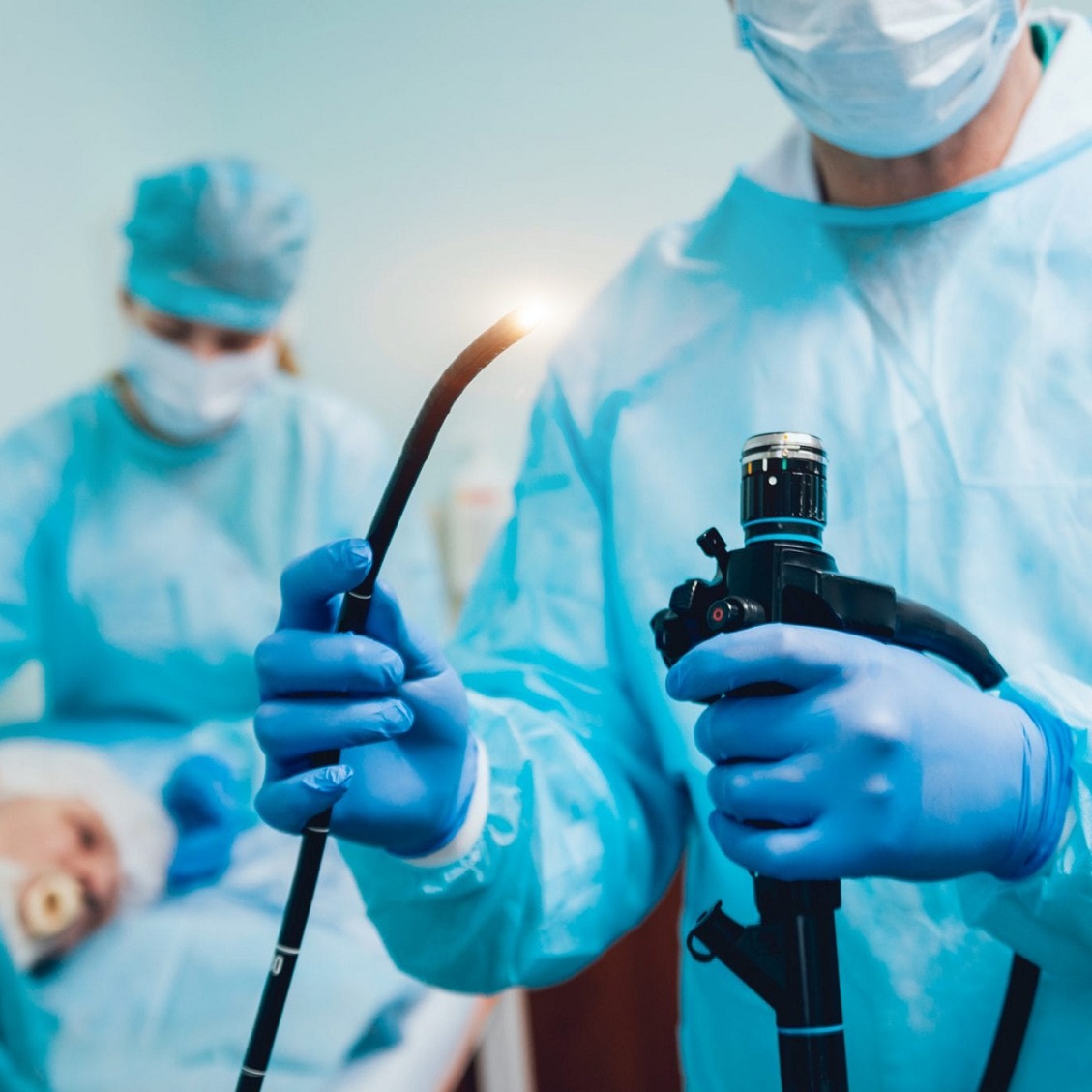
Are Colonoscopies Really That Bad?
Colonoscopy concerns? Dr. Khoo explains the procedure, prep, and recovery. Learn what to expect and ease your worries. Schedule your appointment today.

Best & Worst Things For Hemorrhoids
Hemorrhoids can be uncomfortable, but you don’t have to live with them. Our specialist has advice on how to treat and prevent hemorrhoids.

Try These 9 Things for Better Gut Health
Improve gut health with 9 simple tips from Dr. Felibrico at Jersey Shore University Medical Center. Learn how diet and lifestyle impact digestion. Call 800-822-8905 for an appointment.
Gut Pain Not to Be Ignored
Severe gut pain? Bayshore Medical Center offers expert care. Learn about Joe Palazzolo's experience and find relief. Call 800-822-8905.