

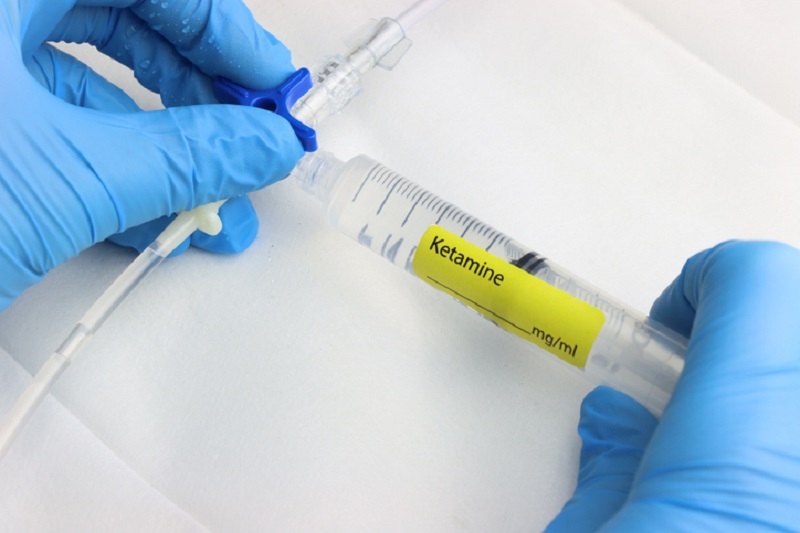
Many people want to know about ketamine, a drug used for treatment-resistant depression. This medication has been used in many different ways over the years.
In 1970, ketamine was approved as anesthesia and is still used for that purpose. Decades later, ketamine (dubbed Special K) was a popular drug at nightclubs.
Ketamine is known to cause a sleep-like state and forgetfulness. It can make people feel disconnected from their bodies, similar to an anesthetic.
Researchers became interested in the effects that ketamine has on the brain. A number of studies have shown that it helps to fight depression.
Ketamine may also help patients with these conditions, although more research is needed:
- Anxiety
- Bipolar disorder
- Post-traumatic stress disorder (PTSD)
- Obsessive-compulsive disorder (OCD)
- Eating disorders
- Alcohol use disorder
Different Ways to Take Ketamine
Ketamine can be given intravenously or intranasally, or sometimes by tablet or lozenge.
When doctors prescribe intravenous (IV) ketamine for treatment-resistant depression, it’s done off-label. This means that it isn’t approved for that specific purpose but can be used that way.
In 2019, esketamine – which is derived from ketamine – was approved as a nasal spray. This medication was approved as a therapy for treatment-resistant depression.
Ketamine, a Schedule III non-narcotic drug, is a controlled substance. Because it can cause dependence, ketamine and esketamine must be administered under a doctor’s care.
Despite these concerns, some doctors and patients consider ketamine a lifesaver. For instance, same patients who have not responded to antidepressants get relief from their depression with ketamine.
When administered by doctors, ketamine is considered safe, even for people who are suicidal.
How Ketamine Combats Depression
Ketamine therapy works differently than other medications for depression.
Antidepressants may slowly build up levels of the neurotransmitter serotonin in the brain. Ketamine increases levels of the neurotransmitter glutamate in the brain, according to research.
People with depression typically have low levels of glutamate in the brain and increasing their levels may help to improve depression.”
Ketamine helps the brain form new neural pathways, according to research. These pathways may enable people with depression to develop more positive thoughts.
Unlike traditional antidepressants, which typically take weeks to have an effect, ketamine is quicker. Some people who undergo ketamine therapy notice a change within hours.
When is ketamine used to treat depression?
Ketamine is not recommended for all people who experience depression. It should only be used when other medications to treat depression have failed.
Intranasal esketamine may only be prescribed if:
- At least two antidepressants have not been effective
- Doctors have prescribed those antidepressants at appropriate doses
- Patients have taken those antidepressants for the appropriate period of time
Intravenous ketamine is prescribed off-label, so there are no hard-and-fast rules. But doctors do not prescribe it as a first-line treatment for depression.
Ketamine therapy is not intended to treat depression on its own. Patients who receive ketamine or esketamine must also take antidepressants.
Side Effects of Ketamine
What does ketamine therapy feel like, when someone receives this treatment? It varies, but most people have these experiences during appointments:
- They may feel drowsy and/or relaxed
- Their perception of reality may be distorted
- They may notice changes to their visual field, including double vision
- They may experience mild, pleasant hallucinations
- The experience may be emotional for them
Some people experience side effects, which resolve on their own or may need to be treated, including:
- Elevated blood pressure
- Nausea
- Headache
- A sensation similar to being drunk
- Feeling detached from reality
Ketamine therapy is not typically covered by insurance. Out-of-pocket costs may add up; each session may cost hundreds of dollars.
Next Steps & Resources:
- Make an appointment online with a doctor near you, or call 800-822-8905.
- Learn more about mental health services at Hackensack Meridian Health
Find a doctor near me

Check on Your 'Always Happy' Friends
Support friends struggling with hidden mental health challenges. Learn how to help from Dr. Markarian, Hackensack University Medical Center. Get resources now.

5 Ways to Reduce Your Stress
Reduce stress and improve your health. Dr. Leopold shares 5 ways to manage stress. Learn simple techniques for better well-being. Call 800-822-8905.

Ways To Relieve Stressful Tension
Relieve Stressful Tension. Learn techniques from Emma Stafford, APN-C, to manage stress. Find calm through breathing and mindful moments. Call 800-822-8905 for help.
Signs That You Need a Mental Health Day
Need a mental health day? Learn signs of burnout & stress from Dr. Parker. Prioritize self-care; regain focus & energy. Call 800-822-8905.