

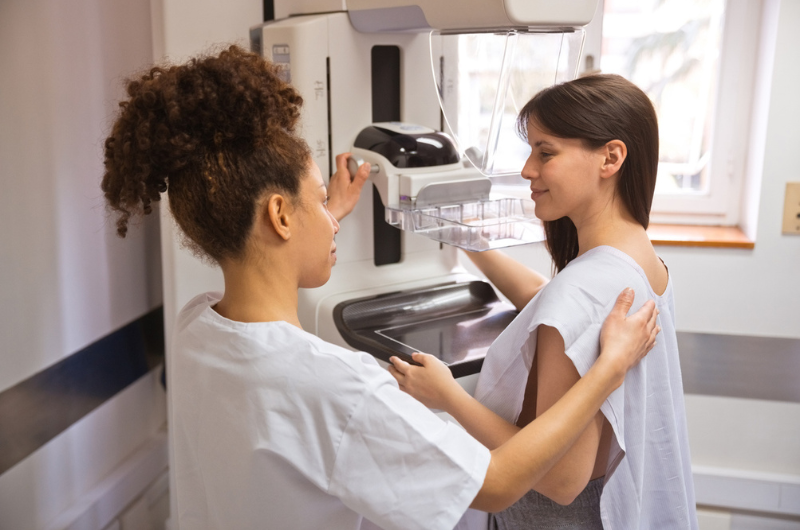
You may be tempted to put off your mammogram while you are pregnant or breastfeeding. But, according to Harriet Borofsky, M.D. medical director of breast imaging at Riverview Medical Center and Bayshore Medical Center, mammograms are safe for both mother and baby and shouldn't be delayed.
"If you’re due for a mammogram, find a lump or experience any other worrisome breast changes during pregnancy or breastfeeding, you should absolutely get a mammogram. The radiation is localized to the breast and will not affect your baby or breastmilk," she says.
Mammograms: Your First Line of Defense
There’s no doubt that mammograms are an essential tool in the fight against breast cancer. They use low-dose X-rays of the breast, helping doctors find abnormalities like cancer or tumors.
Early Detection Saves Lives
Routine mammograms can help detect breast cancer in its earliest stages, when treatment is most effective.. According to the American Cancer Society, the breast cancer survival rate is almost 99 percent when caught early.
Increased Cancer Risk During Pregnancy
Dr. Borofsky says there has been a rise in breast cancer diagnoses during pregnancy and breastfeeding. "More women are having children later in life. Since age is a risk factor for breast cancer, it isn’t surprising we are seeing more pregnant and breastfeeding women diagnosed with breast cancer," she says.
Protecting You and Your Baby
While mammograms are safe during pregnancy, it's important to tell your provider if you are pregnant. In some cases your breast tissue may be more dense during pregnancy. Additional imaging may be necessary. You can also wear a lead cape over your stomach for extra protection during a mammogram while you are pregnant.
Will Mammograms While Breastfeeding Harm My Breast Milk?
Gail Starr, M.D., chief of breast imaging, diagnostic radiology, at Hackensack University Medical Center and Palisades Medical Center, emphasizes mammograms are safe for breastfeeding mothers. "There's no reason for breastfeeding mothers to be concerned about nursing after a mammogram. Radiation from mammograms does not affect breastmilk," she says.
She recommends emptying your breasts by breastfeeding or pumping right before your mammogram. Breast tissue may be more dense while breastfeeding, which can make mammograms more difficult to read. “By emptying the breast, the images will be more accurate, and women will be more comfortable,”says Dr. Starr.
Since mammograms do not affect breast milk, you can resume breastfeeding right after your mammogram. Dr. Starr says there is no reason to pump and dispose of your breastmilk after a mammogram.
When Should You Start Mammogram Screenings?
Current guidelines recommend annual mammograms starting at age 40. However, if you are at higher risk for breast cancer, you should start screenings earlier.
Some risk factors for breast cancer include:
- Family history of breast cancer (especially first-degree relatives)
- Specific genetic mutations, such as BCRA1 and BCRA2
- Radiation therapy to the chest before age 30
- Benign breast conditions or prior history of breast cancer
If you have risk factors for breast cancer, you should talk to your health care provider to see when you should begin yearly mammograms.
Next Steps & Resources
- Meet our experts: Harriet Borofsky, M.D, Gail Starr, M.D.
- Make an appointment for a mammogram online, or call 800-822-8905.
- Learn more about our mammography services.
Find a doctor near me
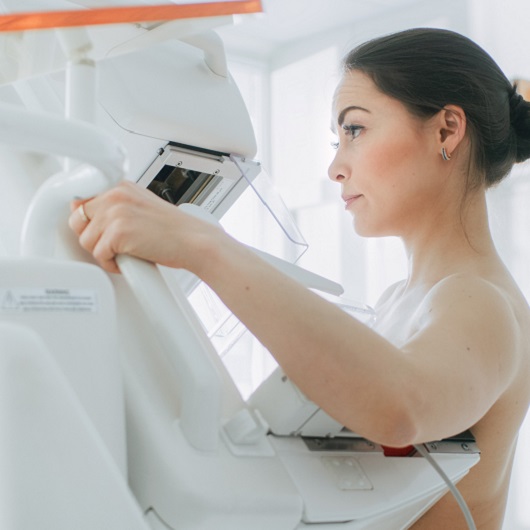
When Should You Start Getting a Mammogram? Experts Say at 40
The U.S. Preventive Services Task Force recently updated their recommendations that women should begin regular mammogram screenings at age 40, instead of 50. Our expert explains why and how to protect yourself from breast cancer.
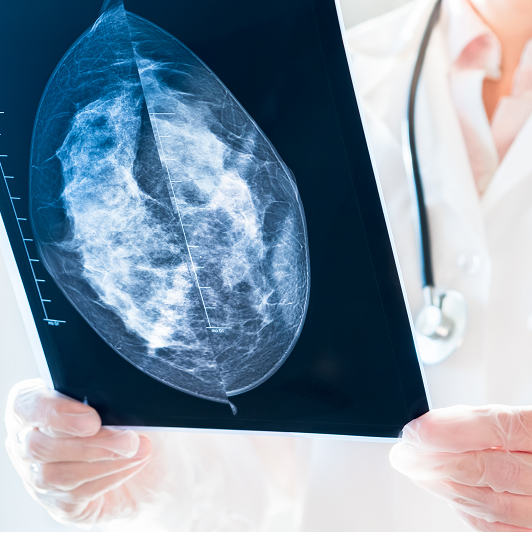
Should You Be Worried About an Abnormal Mammogram?
Getting called back for follow-up after a screening mammogram can be frightening, but knowing what to expect can ease the anxiety.