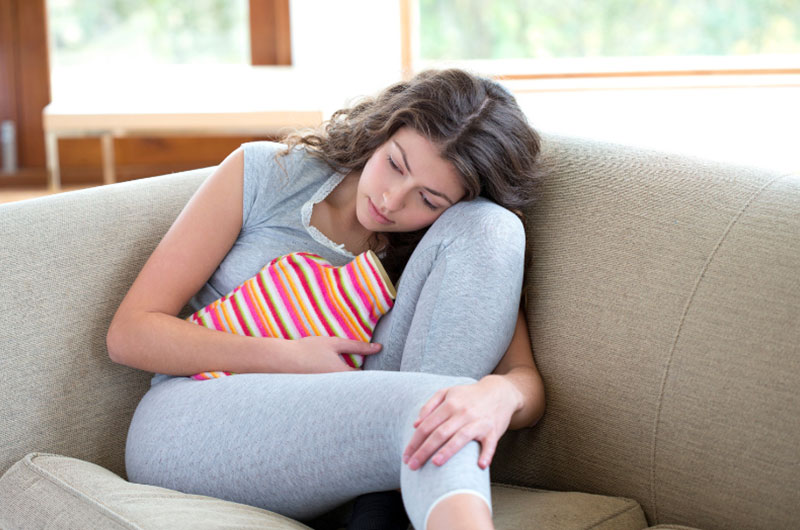
Going through puberty and menstruation is a rite of passage that almost every young girl goes through. However, that doesn’t make it any easier. The 2025 State of the Period Study highlights some of the psychological and physical impacts that menstruation has on teens.
“Even though it’s 2025, teens and young women still face many challenges when it comes to menstruation. The topic is still considered taboo, and a lot of girls are missing school and activities because of issues related to their periods. There’s plenty of area for improvement,” says Heather Appelbaum, M.D., chief, Adolescent & Pediatric Gynecology, Hackensack Meridian K. Hovnanian Children’s Hospital.
Period Stigma Still Exists
According to the study, young women have more public access to period products such as pads and tampons compared to the same 2023 report. There’s also more conversation about menstruation in the classroom. But, unfortunately, teens still have negative feelings about their period and don’t feel they can talk openly about the subject.
“The subject of menstruation still carries an invisible weight among teens and young girls. Giving teens free products helps them manage their periods, but changing how people feel about menstrual-related topics requires consistent modeling, empathy and honest, culturally sensitive conversations,” says Dr. Appelbaum.
Teens May Not Seek Help for Menstrual Issues
While period-related pain is not uncommon among teens, teens may be hesitant to talk to a doctor about their symptoms because they feel they will be dismissed. 73% of teens admit they’ve felt pressure to 'tough it out’ and not complain when experiencing period pain.
However, Dr. Appelbaum says some symptoms could indicate health issues like endometriosis, pelvic inflammatory disease (PID) or ovarian cysts. Some symptoms she says to watch for include:
- Severe pain that does not improve with over-the-counter medications
- Pain that worsens over time instead of staying the same with each cycle
- Heavy bleeding, such as soaking through a pad or tampon every hour or passing large clots
- Bleeding between periods
- Nausea, vomiting, dizziness or pain that is severe enough to miss school
“If your teen is in pain, remind them that taking care of themselves is part of being responsible, not a sign of weakness. This mindset teaches self-awareness and balance rather than silence and overexertion,” she says.
Girls are Missing School Because of Period Pain
Over 65% of teens say period-related concerns or pain have kept them from performing their best in the classroom or kept them from attending school.
The most common symptoms teens report include:
- Cramping or pelvic pain
- Bloating
- Fatigue
- Breast tenderness
- Headaches or migraines
- Lower back pain
- Nausea, diarrhea, or constipation
- Mood swings, irritability, depression or anxiety
- Difficulty concentrating or sleeping
To help combat school absences, Dr. Appelbaum encourages parents to help their teens be aware of their bodies and cycles. “Tracking symptoms throughout the month can help teens understand patterns and prepare for days when they might not feel optimal. It also helps them recognize when something feels off,” she says.
Period Shame Affects Girls' Sports Performance
Three in five girls say they worry about leaking or spotting when playing sports during their period, and one in five girls says they don’t feel supported by their coach. “The culture of sports prioritizes toughness, discipline and the ability to push through discomfort. There is an expectation that periods are something to endure, not manage. For many teens, this creates a conflict between being a reliable athlete and acknowledging their own personal physical needs,” says Dr. Appelbaum.
She says parents can help their teen by ensuring they have the necessary products and encouraging them to speak up if they have concerns at practice or competition. In addition to having the right tampons or pads, she says medication can help ease menstrual cramps. She also encourages teens to drink plenty of water and eat a healthy diet.
How You Can Support Your Teen
When it comes to supporting your teen through their menstrual cycle, Dr. Appelbaum emphasizes the importance of open communication. “Keep communication open and natural. Teens learn from how adults handle sensitive topics, and if a parent treats menstruation like a normal part of health, the teen will too,” she says.
She recommends asking simple, caring questions and ensuring your child knows they can discuss their periods and related symptoms without judgment. This helps build confidence and trust, so they do not feel embarrassed or alone when issues arise.
“By treating menstrual cycles as a normal, predictable rhythm rather than an inconvenience, parents can help their teens approach their periods with confidence and respect, instead of anxiety and shame,” says Dr. Appelbaum.
Next Steps & Resources
- Meet our experts: Heather Appelbaum, M.D.
- To make an appointment with Dr. Appelbaum, call 732-897-3858 or find a pediatric gynecologist near you here.
- Learn more about pediatric and adolescent gynecology at Hackensack Meridian Children’s Health.
Find a doctor near me

Puberty Body Odor and Sex When to Have the Talk
6 Ways to Help Your Teen Feel Good About Their Body

PCOS vs. Endometriosis: What’s the Difference?