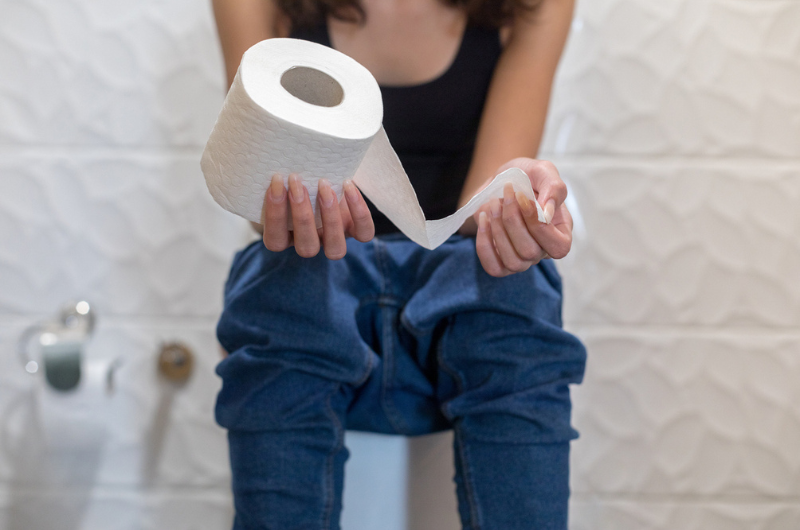
We’ve all been there – that uncomfortable, bloated feeling when you just can’t go. Constipation is one of the most common digestive complaints, affecting about 15 percent of Americans.
While it’s uncomfortable, the good news is that most cases of constipation can be relieved naturally.
“Constipation is one of the most common digestive issues I see,” says Rosario Ligresti, M.D., chief of gastroenterology at Hackensack University Medical Center. “There are several simple, safe remedies you can try at home before turning to medications.”
Here’s what Dr. Ligresti says can help get things moving again – and how to keep your digestive system on track.
Why Can’t I Poop?
Constipation happens when stool moves too slowly through the digestive tract, making it hard, dry and difficult to pass. That can lead to bloating, discomfort and frustration.
While occasional constipation is normal, it can often be improved through simple changes in diet, hydration and movement – before reaching for a laxative.
Do Prunes Really Work for Constipation?
Yes, there’s science behind the hype.
“One of the most common [constipation remedies] is to eat prunes,” says Dr. Ligresti. “Consuming a serving of about five to six dried prunes or drinking a small glass of prune juice can help stimulate a bowel movement. This works due to a dual effect: prunes are high in insoluble fiber, which adds bulk to stool, and they also contain a natural sugar alcohol called sorbitol, which acts as an osmotic laxative by drawing water into the colon to soften stool.”
Research backs this up. A study in Alimentary Pharmacology & Therapeutics found that prunes were more effective than psyllium fiber for improving stool frequency and consistency in people with chronic constipation.
Can Drinking More Water Help Me Poop?
Absolutely – and it’s one of the easiest things you can do.
“Consciously drinking more water throughout the day helps soften hard stool, making it easier to pass,” says Dr. Ligresti. “The large intestine absorbs water from food waste, and if you are dehydrated, your body will pull too much water from the stool, leaving it hard and dry.”
While studies on water intake alone are mixed, hydration works best in combination with fiber. As Dr. Ligresti explains, “Adequate fluid intake is critical to support the stool-bulking effect of dietary fiber.”
Can Drinking Coffee Help Me Poop?
For some people, a morning cup of coffee can also help get things moving. “Caffeine is a natural stimulant that can trigger contractions in the colon, which may help you have a bowel movement,” says Dr. Ligresti. “It’s not a solution for everyone, but if coffee reliably helps you, it’s fine to include it in moderation.”
Can Walking or Massage Help Constipation?
Yes. Getting your body moving can get your bowels moving, too.
“Engaging in light physical activity, like a 15 to 20 minute walk, helps stimulate peristalsis – the natural muscle contractions of your intestines that move stool along,” says Dr. Ligresti. “Similarly, performing a gentle self-massage on the abdomen by using your fingertips to make clockwise circles around your navel can manually encourage this movement.”
Gentle movement after meals or before bed can also help create a more regular rhythm for your digestive system.
Do Supplements Like Magnesium Citrate Help Constipation?
If you’re looking for faster relief, magnesium citrate can help.
“For a more direct approach, taking magnesium citrate can be effective,” says Dr. Ligresti. “This supplement, commonly available as a liquid or powder, works as an osmotic laxative. It functions by pulling water from the rest of the body into the intestines, which softens the stool, increases its volume, and helps trigger the muscle contractions needed for a bowel movement.”
How Can I Prevent Constipation?
Dr. Ligresti says three simple lifestyle habits can help keep your bowels regular:
Eat More Fiber
“Eating 25 to 38 grams of fiber per day is essential,” explains Dr. Ligresti. “This helps prevent constipation by adding both bulk and softness to your stool. Insoluble fiber, found in whole grains and vegetables, acts like a ‘broom’ to sweep waste through the digestive tract, while soluble fiber, found in oats and beans, absorbs water to form a soft, gel-like substance that makes stool easier to pass.”
Stay Hydrated
“Drinking adequate fluids, typically around eight glasses of water or more per day, prevents dehydration,” advises Dr. Ligresti. “When you're properly hydrated, your colon doesn't need to absorb excess water from your stool to maintain bodily functions, which keeps it soft and prevents it from becoming hard and difficult to move.”
Move Your Body
“Aiming for about 30 minutes of moderate exercise most days of the week helps prevent constipation by stimulating gut motility,” Dr. Ligresti adds. “An active body promotes an active bowel, as exercise strengthens abdominal muscles and encourages the natural intestinal contractions (peristalsis) necessary to move stool efficiently through your system.”
The Bottom Line: Constipation is Uncomfortable, But Fixable
Constipation is unpleasant, but you can avoid it with simple daily habits. Focus on fiber, water and more movement, and give natural remedies such as prunes or magnesium citrate a try before reaching for stronger medications.
If constipation becomes frequent or severe, it’s important to talk with your doctor. “There are several simple, safe remedies you can try at home before turning to medications,” says Dr. Ligresti. “But if symptoms persist, your doctor can help determine whether an underlying issue needs attention.”
Next Steps & Resources
- Meet our source: Rosario Ligresti, M.D.
- Make an appointment online with a gastroenterologist near you, or call 800-822-8905.
- Explore our primary care offerings or our gastroenterology and nutrition services.
Find a doctor near me
Gut Check: Tips for Stomach Pain Relief, Better Digestion and Signs to See Your Doctor

A Pediatrician's Advice About Constipation