
Key Takeaways
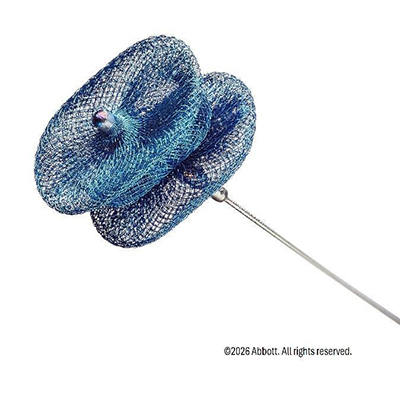
- Hackensack University Medical Center performed the first U.S. commercial procedure using the FDA-approved Abbott Amplatzer Paraclose PVL Occluder.
- The device is designed to treat paravalvular leaks, which can occur when a gap forms between heart tissue and a replacement heart valve.
- Doctors place the device through a catheter inserted into a blood vessel in the leg, rather than through open-heart surgery.
- Hackensack University Medical Center participated in the PARADIGM clinical trial that supported the device’s FDA approval.
- The procedure is available through the Structural & Congenital Heart Program at Hackensack University Medical Center.
AI generated.
Undergoing open-heart surgery is one of the most physically and emotionally demanding experiences a patient can face, and the prospect of enduring it a second time can be devastating. Fortunately, the landscape of cardiac care is rapidly transforming. Today, choosing a hospital at the forefront of medical innovation means patients increasingly have access to cutting-edge alternatives that replace traumatic operations with highly advanced, minimally invasive solutions.
This breakthrough is especially vital for the thousands of Americans who have already survived a heart valve replacement. Historically, if a patient developed a paravalvular leak (PVL)—a dangerous backflow of blood caused by a small gap forming between their natural heart tissue and the replacement valve—it meant facing an inevitable, high-risk return to the operating table.
These leaks are a surprisingly common complication, occurring in up to 17% of mitral valve replacements and 10% of aortic replacements. Left untreated, the heart is forced into overdrive, and can lead to severe anemia, shortness of breath, swollen legs, and eventually heart failure.
Finding a less invasive solution has become an urgent priority. Heart valve disease and subsequent replacements are on the rise, particularly among women—who are historically under-diagnosed and often present with more severe symptoms—and younger, highly active adults. For these patients, the intense physical toll, surgical risks, and months-long recovery of a repeat open-heart surgery represent an unacceptable disruption to their lives.
A Groundbreaking, Surgery-Free Solution
A revolutionary new approach is now changing the standard of care. Last week, Dr. Ryan Kaple, Director of the Structural & Congenital Heart Program at Hackensack University Medical Center (HUMC), and Dr. Craig Basman, Associate Director of the Structural & Congenital Heart Program, successfully performed the first U.S. commercial procedure using the Abbott Amplatzer™ Paraclose PVL Occluder to repair a leaky valve without surgery.
Recently approved by the FDA, it is the first and only transcatheter device in the U.S. specifically designed to treat these leaks. Instead of opening the chest, Dr. Kaple and Dr. Basman seamlessly guided this small, uniquely shaped device through a catheter—inserted into a blood vessel in the leg—straight to the heart, with Dr. Perry Wengrofsky, Director of Interventional & Structural Echocardiography, helping to guide the procedure using advanced ultrasound techniques. Once expertly positioned, the device expands to effectively seal the leak. This collaborative effort highlights HUMC's Structural Heart team of interventional cardiologists, including Dr. Sung-Han Yoon, who are delivering nationally recognized care while pioneering novel devices and techniques like this.
Innovative Treatments at HUMC: Why the Right Hospital Matters
HUMC is uniquely equipped to offer this specialized procedure because the hospital was a participant in the PARADIGM clinical trial, the landmark study that proved the device’s safety and effectiveness to the FDA.
"For years, patients suffering from a paravalvular leak had very limited, highly invasive options," said Dr. Kaple. "Being able to seal this leak through a simple catheter procedure is a profound step forward. It means our patients can bypass the trauma of another grueling cardiac surgery, recover much faster, and get back to living their lives, free from the exhaustion and heart failure symptoms that were holding them back."
Don't Settle for Invasive Treatments
If you or a loved one had a heart valve replacement in the past and are now experiencing unexplained fatigue, shortness of breath, or swelling, a paravalvular leak could be the cause—but a second open-heart surgery shouldn't be your only answer.
"Paravalvular leaks can be difficult to treat, and for many patients a second open-heart surgery carries significant risk," said Dr. Basman. "The Amplatzer Paraclose occluder gives us a purpose-built, precise way to close these leaks through a catheter, so patients can recover faster and return to the lives they want to lead."
Because HUMC had access to this treatment during its clinical trials, the heart team brings unparalleled, hands-on expertise to the Amplatzer Paraclose procedure. When confronting complex cardiac conditions, you want to be treated by the experts who know the technology best. Come to HUMC to explore the most advanced, least invasive care available today.
For more information or an interview, contact: mary.mcgeever@hmhn.org