
U.S. News & World Report

About Our NCI Designation
Hackensack Meridian Health's John Theurer Cancer Center was renewed by the National Cancer Institute (NCI) on May 1, 2024 as the research consortium partner of Georgetown University's Lombardi Comprehensive Cancer Center. This prestigious designation is testament to the high-impact research, community outreach and cancer care available at John Theurer Cancer Center.
Two Leading Centers, One Mission: To Conquer Cancer
John Theurer Cancer Center is part of the National Cancer Institute-designated Georgetown Lombardi Comprehensive Cancer Center. We are two strong institutions that share a passion and expertise for developing new therapies to improve outcomes for patients with cancer.
Together, our two institutions:
- Evaluate novel cancer treatments from their earliest evaluation in phase I studies through late-phase clinical trials aimed at improving existing treatments
- Evaluate new technologies to accelerate research findings and enhance patient outcomes
- Develop and launch new studies
As a result, patients have increased access to clinical trials and research. Now, doctors can better understand how to treat cancer and achieve equal outcomes equally across diverse communities.








What Does it Mean to be NCI-Designated?
In signing the National Cancer Act in 1971, President Nixon initiated a coordinated nationwide effort to find cures for all forms of cancer by increased research to improve the understanding of cancer biology and development of more effective treatment.
Central to accelerating cures was the creation and funding of NCI-designated cancer centers where scientists and clinicians collaborate to translate basic discovery into cures.
The NCI-designated comprehensive cancer centers were established to be national leaders in cancer treatment, research and education.
According to NCI, to gain a “comprehensive” designation, a center must meet specific criteria:
- A strong core of basic laboratory research in several fields, such as biology, chemistry, immunology and molecular genetics;
- A mechanism for transferring research findings into clinical practice;
- A record of innovative clinical research studies in the community served by the center;
- A program of high-priority clinical trials for therapies with unusual promise;
- A program of cancer prevention and control research;
- A program of research training and continuing education for health care professionals;
- A wide range of cancer information services for patients, health professionals and the surrounding community; and
- A commitment to community services and outreach activities related to cancer prevention and control.
The NCI Cancer Advisory Board, whose members are appointed by the President of the United States to oversee the NCI’s programs and policies, must recommend approval for a center to receive the comprehensive designation. The center must repeat an external review of the steps above every three to five years.

Patient Story
Salih Williams was able to access leading-edge lymphoma care close to home through the unique collaboration among Georgetown Lombardi Comprehensive Cancer Center, MedStar Health and John Theurer Cancer Center.
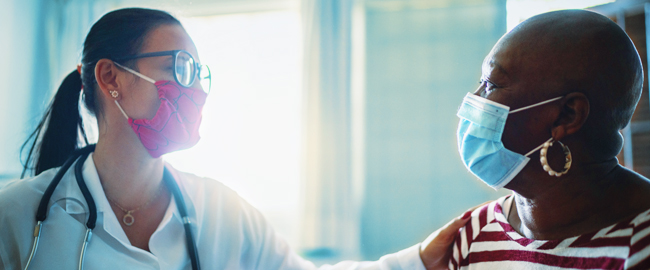
Our Cancer Doctors
Our specialists are among the region's top ranked for treatment of cancers.
Patient Resources

Legacy of Helping Others Lives On Through Cancer Research
The Fishman family has continued Lisa Fishman’s legacy through important philanthropic initiatives in support of cancer research and care.
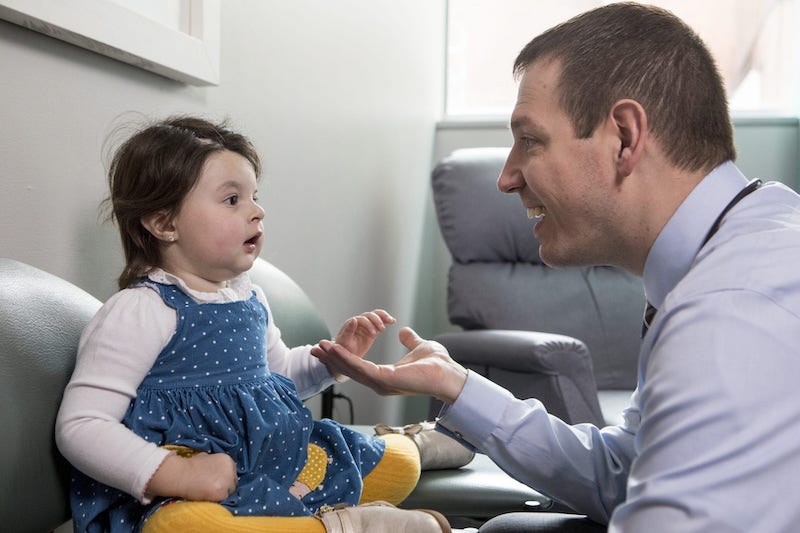
Tiny Fighter
Addie's cancer journey: Learn how Dr. Hanson's innovative treatment helped her. Find pediatric oncologists & resources. Call 800-822-8905.
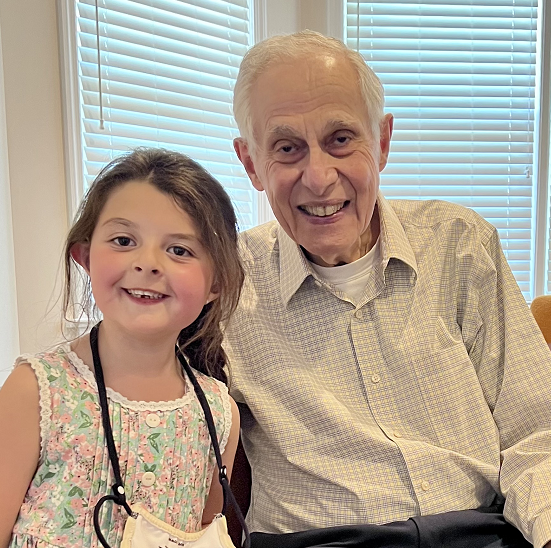
A Lasting Tribute to a Loving Physician
Honor Dr. Harris' legacy. Support pediatric cancer care. Make a gift to the Children's Cancer Institute.
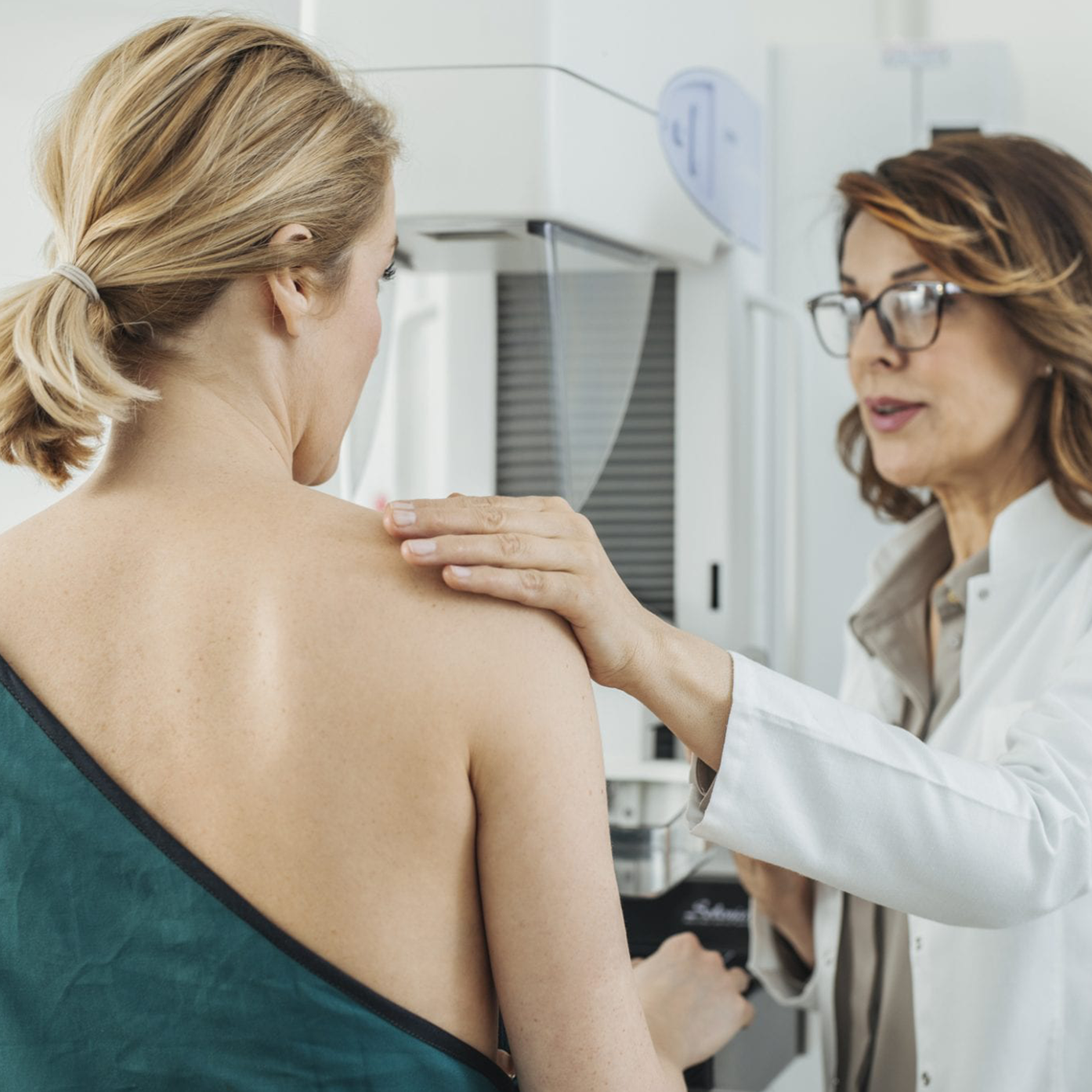
Some Women Should Begin Mammograms in Their 30s, Study Says
Most women are told they should have annual mammograms starting in their 40s, but some women could benefit from earlier screening, according to newly released research.