





Aortic Stenosis Treatment in New Jersey
Aortic stenosis is a heart condition that occurs when the aortic valve - the valve that controls blood flow from your heart to the rest of your body - becomes narrowed. This narrowing makes it harder for your heart to pump blood efficiently, which can lead to fatigue, shortness of breath and other symptoms that may worsen over time.
At Hackensack Meridian Health, our expert cardiologists use advanced diagnostic tools and minimally invasive treatments to detect aortic stenosis early and restore your heart’s function.
What is Aortic Stenosis?
Located between the left atrium and left ventricle - two chambers of the heart - the aortic valve opens and closes with every heartbeat, allowing oxygen-rich blood to flow through the body.
When the valve becomes stiff or narrowed, often due to calcium buildup, aging or congenital defects, it forces the heart to work harder. If left untreated, this can lead to symptoms of heart failure or other serious complications.
Aortic stenosis most often affects adults over 60, but it can occur earlier in life, especially in those born with a bicuspid (two-leaflet) aortic valve instead of a normal tricuspid valve.
A cardiologist can diagnose aortic stenosis and assess its severity. At Hackensack Meridian Health, our cardiology and structural heart specialists work together to confirm your diagnosis and determine the best treatment plan — including advanced, minimally invasive procedures that can restore your quality of life.
Symptoms of Aortic Stenosis
Aortic stenosis often progresses slowly, and many people don’t notice symptoms until the condition becomes more serious. Common symptoms include:
- Shortness of breath, especially during activity
- Fatigue or getting tired more easily
- Chest pain or pressure
- Feeling lightheaded or dizzy
- Fainting
- Irregular heartbeat or heart palpitations
If these symptoms come on suddenly, or if your chest pain is severe, call 911 immediately.
Diagnosing Aortic Stenosis
Because aortic stenosis can develop gradually, regular heart screenings play an important role in catching it early. Your doctor may listen with a stethoscope to see if they hear a heart murmur, which can lead to further tests, such as:
- Echocardiogram (Echo): The primary test used to visualize your heart valves and measure blood flow.
- Electrocardiogram (EKG): Measures your heart’s electrical activity.
- Cardiac CT Scan: Provides detailed images of calcium buildup and valve structure.
- Cardiac Catheterization: Uses a thin tube (catheter) threaded through an artery to let doctors see inside your heart.
Our specialists use these diagnostic tools to determine the severity of your condition and recommend the most appropriate treatment. Schedule an appointment with a cardiologist to learn more.
Treatment for Aortic Stenosis
Treatment options for aortic stenosis depend on the severity of the disease and whether you’re experiencing symptoms. There are two main courses of treatment: minimally invasive Transcatheter Aortic Valve Replacement (TAVR) and traditional open-heart valve surgery. Both are highly effective, but the right fit will depend on your health, age and surgical risk.
Transcatheter Aortic Valve Replacement (TAVR)
TAVR is a minimally invasive procedure that replaces the damaged valve using a thin catheter inserted through the leg. For many people, especially older adults or those with other health conditions, TAVR offers an effective and safer alternative to open-heart surgery. Most patients are awake during the procedure, experience less pain and return home within just a day or two.
If you’re experiencing symptoms of a valve or structural heart problem, start with a cardiologist. They can refer you to a structural heart specialist for further testing. From there, a multidisciplinary heart care team can determine whether TAVR or another treatment is right for you.
Already have a referral for a structural heart specialist? Use our online tool to find a doctor.
Surgical Aortic Valve Replacement (SAVR)
In some cases, open-heart surgery may be the best option. During a surgical aortic valve replacement, the damaged valve is removed and replaced with a mechanical or biological valve. This approach provides long-lasting results and may be ideal for younger or lower-risk patients.
I’ve Been Diagnosed with Aortic Stenosis. What Now?
If you’ve been diagnosed with aortic stenosis, it’s important that you see your cardiologist annually to talk about your symptoms and discuss your treatment options. More advanced cases of the disease may require more frequent visits.
When appropriate, your cardiologist can refer you to a structural heart specialist, who can determine if you are a candidate for TAVR or surgical valve replacement.
Remember, regular communication with your cardiologist is key to managing your diagnosis. If you’ve been experiencing worsening symptoms like shortness of breath, new and unexplained fatigue, fainting or dizziness, tell your doctor. Some cases can progress quickly, even in patients with mild or moderate aortic stenosis.
Why Trust Hackensack Meridian Health With Your Transcatheter Aortic Valve Replacement?
Hackensack Meridian Health is nationally ranked for our expertise in aortic valve surgery, including minimally invasive aortic valve replacement including TAVR. Thousands of Hackensack Meridian Health patients with severe symptomatic aortic stenosis have benefitted from TAVR as an alternative to surgery.

Why Choose Us for Heart Care
Our heart experts perform New Jersey's most successful minimally invasive heart surgeries. Hackensack University Medical Center has earned the distinction of being among the top 10% in the nation for Cardiology, Heart & Vascular Surgery programs from U.S. News & World Report, 2026-2027.
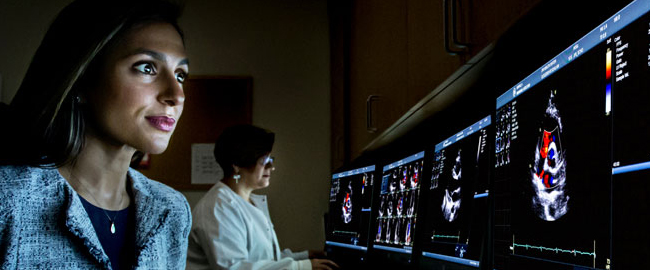
Heart Screenings, Prevention and Diagnostics
Heart screenings, prevention tools and diagnostic tests are all services offered by our cardiology specialists to help understand a patient’s heart condition or risk of heart disease, as well as what prevention or treatment options should be used.
Patient Stories

Two Life-saving Heart Devices Give New Hope
When Ralph Auriemma’s cancerous kidney tumors kept coming back after surgery, injectable gel formulation chemotherapy treatment gave him a new option.

Bayville Man Thriving After Quarter-Century of Stellar Heart Care
The heart team at Jersey Shore University Medical Center has helped Ed Bechold through multiple cardiac events over 25 years. At age 79, he’s thriving.

“Satisfaction” After Jagger’s Heart Procedure
Heart valve replacement: Learn about minimally invasive options & quicker recovery. Advances in cardiovascular therapy offer hope.

Heart Care Close to Home
Trustworthy heart care near you. JFK University Medical Center offers advanced treatments like TAVR. Learn more and schedule an appointment.