





Transcatheter Aortic Valve Replacement (TAVR) in New Jersey
TAVR is a minimally invasive procedure that replaces a faulty aortic valve without open-heart surgery. If you’ve been told you have severe aortic stenosis or you’re experiencing symptoms like fatigue or shortness of breath, TAVR may offer relief from symptoms and improved quality of life.
At Hackensack Meridian Health, our nationally recognized heart team specializes in TAVR and other advanced valve procedures.
If you’re experiencing symptoms of a valve or structural heart problem, start with a cardiologist. They can refer you to a structural heart specialist for further testing. From there, a multidisciplinary heart care team can determine whether TAVR or another treatment is right for you.
Already have a referral for a structural heart specialist? Use our online tool to find a doctor.
What is TAVR?
Transcatheter Aortic Valve Replacement (TAVR) is an FDA-approved procedure for patients with severe aortic stenosis. Instead of opening the chest, doctors guide a thin catheter (tube) through a blood vessel to replace the valve, reducing recovery time and improving outcomes.
Am I a Candidate for TAVR?
Aortic stenosis can seriously affect quality of life. Many patients with worsening symptoms notice they can’t keep up with daily activities, get out of breath more easily or even have trouble sleeping flat at night.
If your symptoms are limiting what you can do, it may be time to ask about TAVR. You may be a candidate for TAVR if you:
- Have been diagnosed with severe aortic stenosis (narrowing of the aortic valve)
- Are considered high- or intermediate-risk for open-heart surgery
- Have symptoms such as chest pain, shortness of breath, fainting or fatigue
Only a structural heart specialist can determine if TAVR is right for you. If you have a referral to a structural heart specialist, use our online tool to find a doctor. If you’re interested in learning more about your eligibility, schedule an appointment with a cardiologist.
What Happens During a TAVR Procedure?
Transcatheter Aortic Valve Replacement (TAVR) procedures are minimally invasive, meaning there’s no need for large incisions.
During the procedure, the surgeon will make a small incision in the groin and use sophisticated imaging to guide a tiny, hollow catheter (tube) through your blood vessel. A deflated balloon with the new, artificial valve wrapped around it is attached to the catheter.
Once the catheter is in position, the surgeon inflates the balloon to gently nudge the faulty valve out of the way and replace it with the new valve. The surgeon then removes the balloon and the catheter, and the new valve begins working immediately.
You’ll be awake during the procedure, but you won’t feel any pain. Typically, the procedure lasts between 90 minutes and two hours.
Because the procedure is minimally invasive, TAVR patients experience less pain, a shorter hospital stay and a faster recovery than patients who undergo open-heart surgery. Most patients leave the hospital within a day or two and can return to regular activities within three or four days.
TAVR vs. Open-Heart Surgery
When it comes to treating aortic stenosis, there are two main courses of treatment: minimally invasive TAVR and traditional open-heart valve surgery. Both are highly effective, but the right fit will depend on your health, age and surgical risk.
- Transcatheter Aortic Valve Replacement (TAVR): A minimally invasive procedure that uses a thin catheter (tube) to place a new valve inside the old one. TAVR is typically best suited for older adults or patients considered high- or intermediate-risk for open-heart surgery.
- Open-Heart Valve Surgery: A surgical procedure that replaces the diseased valve through an incision in the chest. This surgery may be recommended for younger patients, those in good overall health or patients whose anatomy makes TAVR less effective.
Your care team will review your overall health, evaluate your condition using imaging and discuss your long-term health goals and preferences. Our team brings together cardiologists, structural heart specialists and imaging specialists to determine the safest, most effective option for every patient.
Interested in exploring TAVR as a treatment option? Schedule an appointment with a cardiologist to get started. If you have a referral for a structural heart specialist, use our online tool to find a doctor.

Why Choose Us for Heart Care
Our heart experts perform New Jersey's most successful minimally invasive heart surgeries. Hackensack University Medical Center has earned the distinction of being among the top 10% in the nation for Cardiology, Heart & Vascular Surgery programs from U.S. News & World Report, 2026-2027.
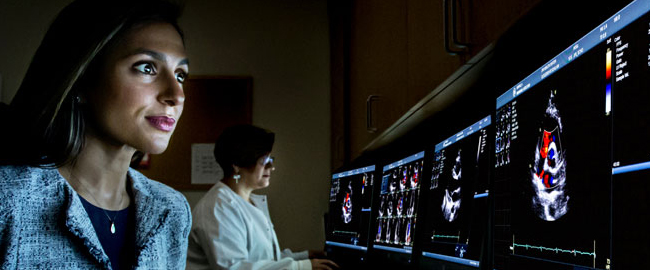
Heart Screenings, Prevention and Diagnostics
Heart screenings, prevention tools and diagnostic tests are all services offered by our cardiology specialists to help understand a patient’s heart condition or risk of heart disease, as well as what prevention or treatment options should be used.
Frequently Asked Questions
TAVR Patient Stories

Two Life-saving Heart Devices Give New Hope
When Ralph Auriemma’s cancerous kidney tumors kept coming back after surgery, injectable gel formulation chemotherapy treatment gave him a new option.

Bayville Man Thriving After Quarter-Century of Stellar Heart Care
The heart team at Jersey Shore University Medical Center has helped Ed Bechold through multiple cardiac events over 25 years. At age 79, he’s thriving.

“Satisfaction” After Jagger’s Heart Procedure
Heart valve replacement: Learn about minimally invasive options & quicker recovery. Advances in cardiovascular therapy offer hope.

Patient Story
The heart team recommended the TAVR procedure for Rosa as an appropriate treatment rather than open heart surgery. The family was relieved that the TAVR procedure was an option. “It was a lot better because my mom was scared. Open heart surgery can be a risky procedure,” Rosa’s daughter, Maryluz says.