





Structural Heart Disease Care in New Jersey at Hackensack Meridian Health
Structural heart disease refers to problems with the heart’s valves, walls or chambers. If left untreated, these conditions can lead to shortness of breath, fatigue, chest pain or even heart failure.
At Hackensack Meridian Health, our Structural Heart Program brings together cardiologists, interventional specialists and surgeons who are leaders in minimally invasive heart care. Using advanced imaging and catheter-based techniques, our team collaborates to deliver precise diagnoses and personalized treatment plans, helping patients achieve the best possible outcomes with shorter recovery times.
If you’ve been diagnosed with a structural heart disease and referred for care, use our online tool to find a structural heart specialist near you.
What are the Symptoms of Structural Heart Disease?
Structural heart disease affects the physical structure of the heart, such as valves or chambers. You should consider scheduling a screening if you experience:
- Chest pain or pressure
- Shortness of breath
- Fatigue with activity
- Swelling in the neck, abdomen, lower legs or ankles
- Irregular heartbeat
If symptoms are sudden or severe, call 911 or visit your nearest emergency department.
How is Structural Heart Disease Diagnosed?
Your doctor will recommend the appropriate tests based on your condition and symptoms. Our cardiologists may use one or more non-invasive cardiac diagnostic tests, such as an echocardiogram, to diagnose structural heart disease.
You may undergo a state-of-the-art minimally invasive diagnostic test like cardiac catheterization, a procedure that uses a long, narrow tube (catheter) to help doctors understand your heart’s structure.
Often, we can diagnose and treat structural heart conditions without requiring invasive surgery. Schedule an appointment with a cardiologist to learn more.
Common Structural Heart Diseases and Conditions
Structural heart disease covers a wide range of problems with the heart’s structure. At Hackensack Meridian Health, we commonly care for patients with conditions such as:
Aortic Stenosis: A condition where the aortic valve, which regulates blood flow, cannot open fully, making it difficult for the heart to pump blood effectively.
Mitral Valve Prolapse (Barlow Syndrome): Occurs when the mitral valve, located between the heart’s upper and lower left chambers, cannot close properly. This syndrome can progress to mitral valve regurgitation.
Mitral Valve Stenosis: A condition in which the mitral valve, located between the heart’s upper and lower left chambers, becomes too narrow.
Mitral Valve Regurgitation: The most common type of valve disease. It occurs when the valve between the heart’s upper and lower left chambers doesn’t close properly, causing blood to leak backward (regurgitate).
Tricuspid Regurgitation: A condition in which the tricuspid valve, located between the heart’s upper and lower right chambers, doesn’t close properly, causing blood to leak backward (regurgitate).
*This is not a complete list of structural heart diseases treated at Hackensack Meridian Health. To learn more about what we treat, schedule an appointment with a cardiologist.
Treatments for Structural Heart Disease
At Hackensack Meridian Health, our doctors are pioneers in the latest procedures to treat structural heart conditions. Even if you’ve been told surgery is not an option for you, you may be a candidate for a minimally invasive procedure. These innovative techniques might lead to less pain, a shorter hospital stay and a quicker recovery — so you can get back to doing the things you love.
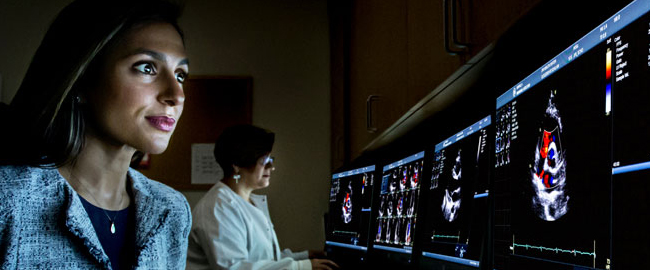
Heart Screenings, Prevention and Diagnostics
Heart screenings, prevention tools and diagnostic tests are all services offered by our cardiology specialists to help understand a patient’s heart condition or risk of heart disease, as well as what prevention or treatment options should be used.
Are You At Risk for Heart Disease?
Complete this simple 10-question quiz to determine if you're at risk for heart disease and get connected with a doctor to keep your heart health in check.
Frequently Asked Questions

Why Choose Us for Heart Care
Our heart experts perform New Jersey's most successful minimally invasive heart surgeries. Hackensack University Medical Center has earned the distinction of being the best Cardiology, Heart & Vascular Surgery program in NJ from U.S. News & World Report.

Our Cardiology Specialists
The combination of expert surgeons, advanced technology and array of heart care services makes Hackensack Meridian Health a trusted choice for patients and families in New Jersey.