

Key Takeaways:
A fever, anything over 100.4 F, is generally a sign that your child’s immune system is fighting an illness and is rarely a cause for concern.
- Symptoms: Some children with fevers don’t have any symptoms, while others may be uncomfortable and experience chills, loss of appetite and fatigue.
- Treatment: Place a cool compress on your child’s forehead and give them the recommended dose of acetaminophen or ibuprofen (if they’re over 6 months old).
- Get Care: Does your child have a fever? Consult a pediatrician: Book online | 800-822-8905.
Medically reviewed by Marni Kriegel, M.D., Pediatric Emergency Medicine, Hackensack University Medical Center.
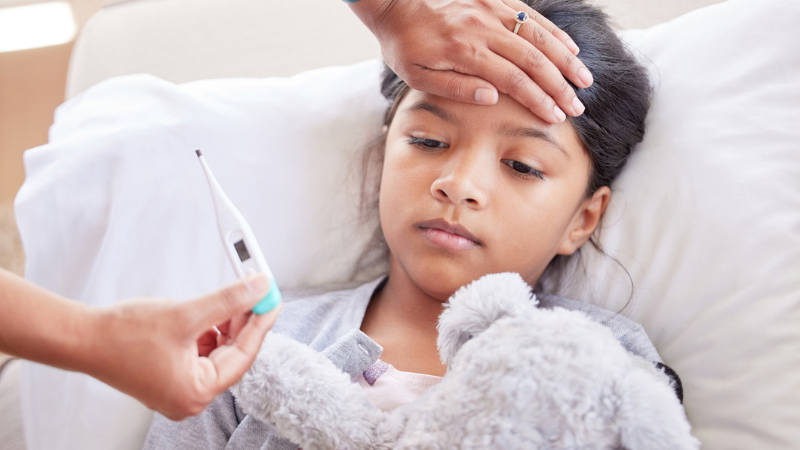
Fevers are a normal part of childhood. While they can be uncomfortable for children and scary for parents, Marni Kriegel, M.D., pediatric emergency medicine specialist at Hackensack University Medical Center, says fevers are rarely cause for concern.
“Fevers are usually in response to your body’s immune system fighting off a viral infection like a cold or the flu, or a bacterial infection, like strep throat. We generally define a fever as anything above 100.4,” she says.
Dr. Kriegel has some tips to help parents recognize and treat fevers.
How Can I Tell if My Child Has a Fever?
You may be able to tell if your child has a fever based on their behavior. Children with fevers will often be tired and feel hot to the touch. To confirm, Dr. Kriegel recommends taking their temperature with a digital thermometer.
“In babies and young children, rectal temperature is recommended. Once your child is over the age of four, you can take their temperature orally. Taking the temperature in the ear, on the forehead, or in the armpit is less accurate,” she says.
To avoid spreading illness, it’s important to clean the thermometer after each use and have different thermometers for oral and rectal use. If your child is over 60 days old, is fully vaccinated, and does not have any conditions or take medications that affect their immune system, Dr. Kriegel says you can skip taking their temperature and treat them based on how they feel.
What Can I Do to Lower My Child’s Fever?
In some cases, children with low-grade fevers may not have any symptoms. If your child has a low fever and is acting and eating normally, Dr. Kriegel says it’s ok to skip treatment. However, if your child has a higher temperature, is uncomfortable, or you prefer to treat their fever, Dr. Kriegel has some recommendations.
- Place a cool or lukewarm bath or towel on their forehead. Never use ice, very cold water or rubbing alcohol.
- Give your child the appropriate dose of acetaminophen or, for children older than 6 months, ibuprofen
- Be sure your child is drinking plenty of fluids since a fever can cause dehydration
When Should I Take My Child to The Doctor for a Fever?
Most of the time, you can treat your child’s fever at home. However, there are some signs you should take your child to their pediatrician or urgent care, including:
- A fever lasting more than three days
- The presence of a rash with a fever
- Unusual behavior or excessive tiredness, even when their temperature is normal
- If your child isn’t drinking enough fluids
- Signs of an ear infection, like pulling on their ear or saying their ear hurts
Should I Take My Child to The Emergency Room for Their Fever?
If your child has signs of serious illness, you should take them to the emergency room right away. Some signs may include:
- Symptoms of dehydration, such as sunken eyes, dry mouth or urinating less than usual
- Trouble breathing
- Pain that is severe or getting worse
- Neck stiffness
- A lot of vomiting, or vomiting with a green color
- A lot of diarrhea or bloody diarrhea
- Seizure
- Unusual behavior
- High temperature caused by being in a hot place, like a car
Also, children who are less than 60 days old, have not had all recommended childhood vaccinations, or have conditions or are taking medications that affect their immune system, should be seen right away when they have a fever.
If you’re worried about your child and not sure what to do, call your pediatrician or take them to an urgent care center or emergency room for evaluation.
When Can My Child Go Back to School or Daycare After a Fever?
When your child is sick, it is important for them to stay home and rest so they get better faster. It’s also important for them to stay away from other children so they don’t spread germs. Your child can return to daycare or school once they are acting, eating and drinking normally. Some daycares and schools require waiting at least 24 hours after the fever is gone before a child is allowed to return.
If you’re unsure, take our quiz to see whether your child is ready to return to school or should stay home.
Next Steps & Resources
- Meet our sources: Marni Kriegel, M.D.
- Learn more about Children’s Health at Hackensack Meridian Health.

5 Back-to-School Tips for Students Managing Chronic Illness
After a relaxing summer, the back-to-school season can bring a mix of excitement and nerves. But when a student is living with a chronic illness, returning to the classroom or heading off to college can come with additional pressures and responsibilities.
When to Seek Care for a Fever
High fever? Learn when to seek care. Dr. Shim explains fever symptoms needing medical attention for adults and children. Get help now.

What Do I Do When My Baby Gets a Fever?
Baby fever? Dr. Niketakis Wujciak offers guidance on care and when to seek medical attention. Learn more and schedule an appointment.
Reasons to Keep Your Child Home From School
Keep your child home from school? Dr. Sevilla shares when symptoms like fever, cough, or nausea warrant a stay home. Learn more and schedule an appointment.