


Key Takeaways
An end-of-year health checklist includes your annual physical exam, screenings and benefits decisions to handle before December 31.
- Book it now: Your annual physical exam is the starting point for everything else on the list.
- Don’t leave money behind: Most FSA plans end on December 31, so check your balance and spend what won’t carry over.
- Get care: If you’re due for a checkup, schedule an appointment with a primary care provider: Book online | 800-822-8905.
Medically reviewed by Swapnil V. Patel, M.D., vice chair of the Department of Medicine at Hackensack Meridian Jersey Shore University Medical Center.
As the end of the year approaches, it’s a good time to reflect on your health: Have you completed all your to-dos for the year?
Here are seven end-of-year essentials to check off your list, from your annual physical exam and screenings to insurance and benefits enrollment.
1. Schedule Your Annual Physical Exam
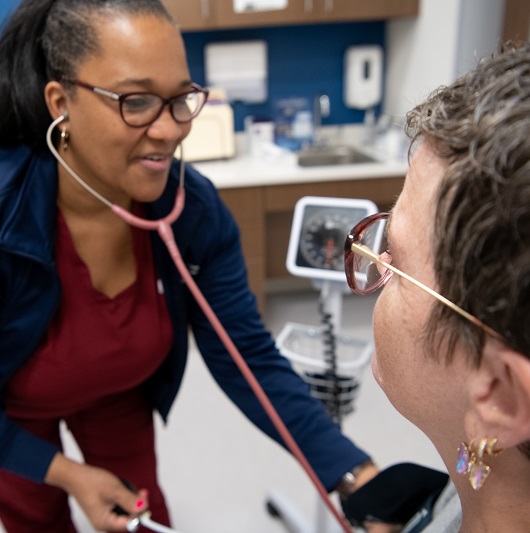
Whether you have chronic conditions, new concerns or you generally feel great, make an appointment with your primary care physician (PCP) to get that visit in before next year. An annual physical exam is the best time to review vaccinations, screenings and heart health.
If you’re on Medicare, your physical includes a fall assessment, medication review and cognitive screening.
2. Update Your Family History
Talk to your family about their health history. Holiday gatherings are a natural time to ask.
Family history provides important information on your risk for certain diseases, which may inform when you should get screened or make lifestyle changes.
3. Connect With a Specialist
If you have health concerns or risks, talk to your PCP about whether you may benefit from seeing a specialist. For example, you may be referred to a cardiologist if you have a family history of heart disease.
4. Review Necessary Screenings
Screening tests can catch diseases like colon cancer and breast cancer early, increasing the chance of successful treatment if needed. Talk to your PCP to make sure you’re up to date.
5. Stay Up to Date on Vaccines
Depending on your age and risk factors, you may need routine vaccines, including influenza, COVID-19, pneumonia, RSV and TDAP (which covers whooping cough, tetanus and diphtheria).
6. Check Your Insurance and Benefits
Whether your insurance is changing or staying the same, look into whether your PCP, specialists, and preferred hospital and urgent care remain in network. If not, start researching now to make the transition as smooth as possible.
7. Use Those FSA Dollars
Most FSA plans end on December 31. Check your plan to see how much money is left in the account and how much can carry over into the new year. Then plan to spend the rest before the year ends.
Next Steps & Resources
- Meet our source(s): Swapnil V. Patel, M.D.
- Learn more about primary care services at Hackensack Meridian Health.
Find a doctor near me

Use It or Lose It: Don’t Miss Out on Free Health Benefits Before Year-End
The new year is fast approaching. Learn to make the most of your health benefits before you start with a new plan on January 1.

5 Questions to Ask Your Physician at an Annual Physical Exam
Getting an annual physical exam is an important step in staying healthy. It’s an opportunity to touch base with your primary care physician while you are healthy so you can stay that way.
What Happens at a Primary Care Visit?
Primary Care Visit: Learn what to expect, from exams to screenings. Dr. Shah explains the process. Schedule your appointment today!

How to Prepare for Your Next Doctor's Appointment
Prepare for your doctor's appointment. Dr. Pastrano Lluberes offers tips for better communication & care. Get ready; download checklist.