

Key Takeaways
How you handle a food recall depends on the class of recall and how susceptible you are to foodborne illnesses.
- Types: There are three food recall classes, ranging from low to high threat. The risk of contracting a foodborne illness from recalled food depends on which recall class it falls under.
- Vulnerability: Those who have autoimmune conditions, young children and the elderly are more likely to experience complications from foodborne illnesses.
- Get Care: Food poisoning? Schedule an appointment: Book Online | 800-822-8905.
Medically reviewed by Daniel Ruderfer, M.D., Pediatric Infectious Disease, Hackensack Meridian K. Hovnanian Children’s Hospital.
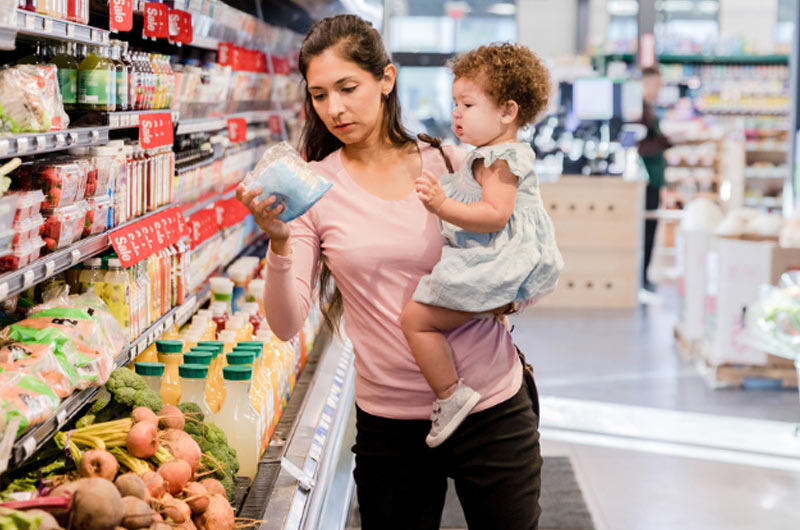
It seems like every time you open a news app or scroll through social media, another food item in your pantry or refrigerator is subject to a nationwide recall. From frozen waffles and packaged berries to baby spinach and organic carrot sticks, the endless flood of alerts can leave parents overwhelmed.
Understanding how recalls work and learning to evaluate risk can help you protect your family without turning meal planning into a high-stress ordeal.
Learn the Three Recall Classes
Not all food recalls carry the same risk. When regulatory agencies like the U.S. Food and Drug Administration (FDA) or the U.S. Department of Agriculture (USDA) issue an alert, they categorize it into one of three distinct classes:
- Class I (Highest Threat): There is a reasonable probability that consuming the food will cause serious health consequences or death. Examples include contamination with Listeria, E. coli, peanuts or milk.
- Class II (Moderate Threat): Consuming the food may cause temporary or medically reversible health problems, or the possibility of severe health consequences is low. Examples include minor contamination by foreign objects or lower-risk undeclared ingredients.
- Class III (Lowest Threat): Covers products that violate labeling or manufacturing standards but are unlikely to cause any illness. Examples include minor formatting errors on nutritional labels or mild off-flavors.
"When a recall notice pops up on your phone, take a deep breath before clearing out your entire kitchen," says Daniel Ruderfer, M.D., Division Chief of Pediatric Infectious Disease from K. Hovnanian Children’s Hospital at Jersey Shore University Medical Center, "Check the recall classification first. A Class III packaging glitch doesn't carry the same biological threat as a Class I pathogen outbreak. Knowing the difference prevents unnecessary panic and financial stress for parents."
Assess Your Household’s Vulnerability
Risk is not one-size-fits-all—especially when it comes to growing children. A foodborne pathogen that causes a day or two of mild upset stomach in a healthy adult can cause severe complications in a child’s developing immune system.
When reviewing a Class I or Class II recall notice, consider who in your home will be eating the food:
- High-Vulnerability Group: Infants, toddlers, young children, pregnant women, adults over 65, and individuals with underlying medical conditions or compromised immune systems.
- Standard-Vulnerability Group: Healthy older adolescents and adults. For households with young children, strictly following Class I warnings is important—particularly for pathogens such as Salmonella and E. coli, which can cause rapid dehydration and severe illness in children.
Build a Low-Stress Weekly Safety Routine
If you see a food recall, establish a calm, organized routine:
- Check the Lot Code, Not Just the Brand: A brand-wide notice rarely applies to every box on store shelves. Match the Lot Code, Use-By Date, or USDA Establishment Number printed on your item against the official notice before throwing food away.
- Use Store Loyalty Apps: Most major grocery chains track your purchases digitally. Enable app notifications so you receive direct, automated alerts only if a batch you actually bought has been affected.
- Practice Safe Disposal: If you have a recalled item, double-bag it, throw it in an outdoor trash bin so pets or children can't access it, and thoroughly clean the refrigerator shelf where it sat.
Next Steps & Resources:
- Meet our source: Daniel Ruderfer, M.D.
- Learn more about children’s health services at Hackensack Meridian Health.
Find a doctor near me
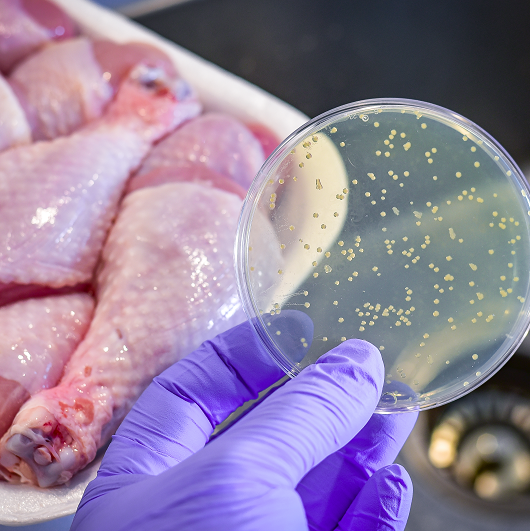
Food Recalls: Causes and Dangers
Learn about food recalls: causes, dangers, and how to protect your family from foodborne illness. Expert advice from Dr. Kopolovich. Get help now.

Food Safety Tips Every Host Should Know
When hosting for a crowd, follow this simple guide to keep common bacteria and viruses off your menu.

How Long Are Leftovers Good For?
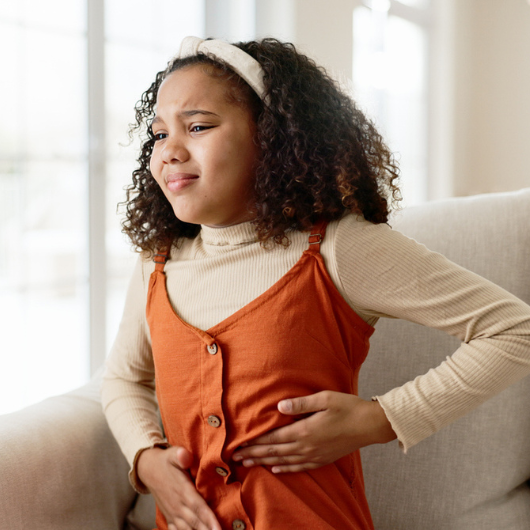
A Parent’s Guide to Common Types of Stomach Pain in Kids
Tummy troubles can range from hunger or gas pains to inflammatory conditions. Our pediatric gastroenterologist outlines four common types of stomach pain in kids and their treatments.