

Diagnosing and Treating Inflammatory Bowel Diseases (IBD)
Care for Crohn’s Disease and Ulcerative Colitis in New Jersey
At Hackensack Meridian Health, we understand that Inflammatory Bowel Diseases can keep you from enjoying your life to the fullest. Our team can help you manage IBD symptoms and prevent complications.
Our IBD specialists diagnose and treat Crohn’s disease, ulcerative colitis (UC), and other types of IBD. We offer a wide range of diagnostic, therapeutic, and surgical procedures.
What is IBD?
Inflammatory bowel diseases are a group of immune disorders that cause chronic inflammation to all or part of the digestive system. Crohn’s Disease and ulcerative colitis are the most common types of IBD.
IBD causes the immune system to attack healthy tissue. Chronic inflammation from IBD can damage the intestines and increase your risk for colon cancer. It’s important to see a gastroenterologist who can diagnose and treat your unique needs.
IBD Conditions We Treat
At Hackensack Meridian Health, our IBD specialists are trained across multiple specialties. We treat the following IBD-related conditions:
- Crohn’s Disease: chronic inflammation anywhere along the gastrointestinal (GI) tract.
- Celiac Disease: a chronic autoimmune disorder that irritates the small intestine when you eat gluten.
- Diarrhea: a condition that causes frequent, loose, and watery stools.
- Eosinophilic gastroenteritis: occurs when eosinophils, a type of white blood cell, accumulate in the gastrointestinal tract.
- Immune Checkpoint Inhibitor Induced Colitis: a side effect of cancer immunotherapy in which the body's immune system becomes overactive and attacks the colon.
- Microscopic Colitis: causes inflammation of the inner colon lining.
- Pouchitis: swelling and inflammation in the lining of a pouch created during colon removal surgery.
- Ulcerative Colitis: inflammation of the lining of the large intestine, or colon.
How We Diagnose IBD Conditions
IBD causes symptoms, ranging from diarrhea, abdominal pain and weight loss to fatigue and bloody stools. Because IBD can affect different parts of the digestive tract, an accurate diagnosis is the first step in creating a treatment plan. Some of the tests our gastroenterologists use to diagnose and evaluate your condition include:
- CT scans and MRI enterography
- Colonoscopy
- Endoscopic Ultrasound
- Labwork (blood and stool tests)
- Physical exam
- Upper GI endoscopy
- Upper GI series or barium swallow
- Wireless video capsule
How We Treat IBD Conditions
While there is no cure for IBD, our team works with you to reduce your symptoms so you can enjoy life to the fullest. Many people with IBD have long periods of remission and can manage flare-ups of inflammation and symptoms.
There are many treatment options to reduce inflammation, ease symptoms, and lower your risk of additional health issues.

Find An IBD Specialist
Browse our network of expert gastroenterologists and colorectal surgeons and make an appointment today.

Find An IBD Care Location
Search for an IBD care location close to home and make an appointment today.
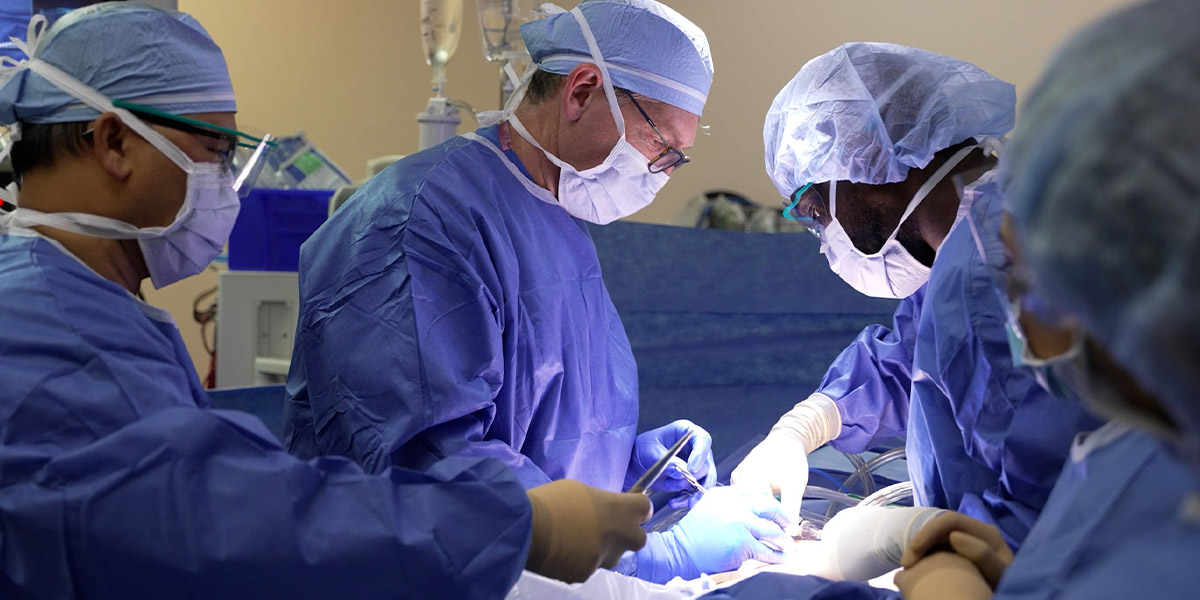
Increasing Volume and Complexity in IBD Surgical Cases
Hackensack University Medical Center handles high volumes of Inflammatory Bowel Disease (IBD), and surgical cases continue to grow in complexity.
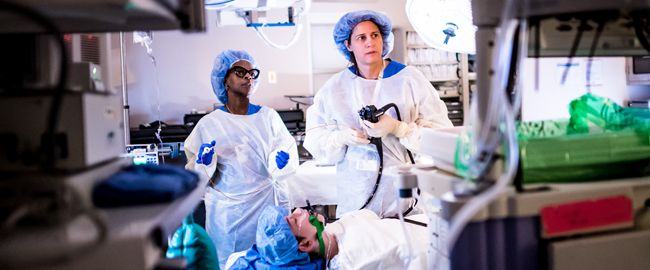
Read More
Learn more about how we're advancing what's possible through cutting-edge gastroenterology innovations.
Frequently Asked Questions About IBD
Patient Resources

8 Dietary Myths Related to IBD
Manage IBD symptoms with dietary guidance from Dr. Parian and a registered dietitian. Learn to debunk 8 common IBD diet myths. Call 800-822-8905.
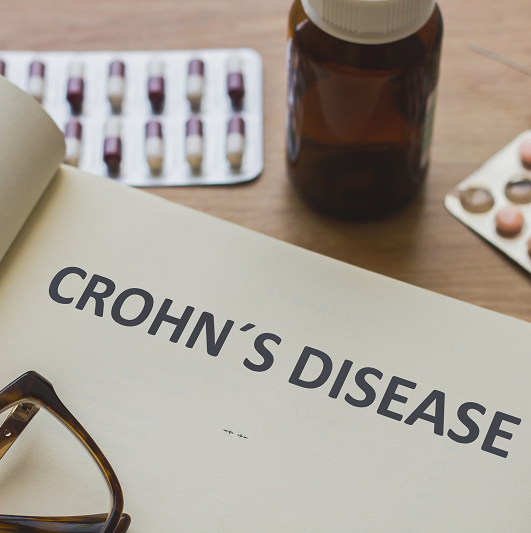
Managing Crohn’s Disease: Flare-Ups and Treatment Options
Learn about the symptoms and triggers of this chronic inflammatory bowel disease
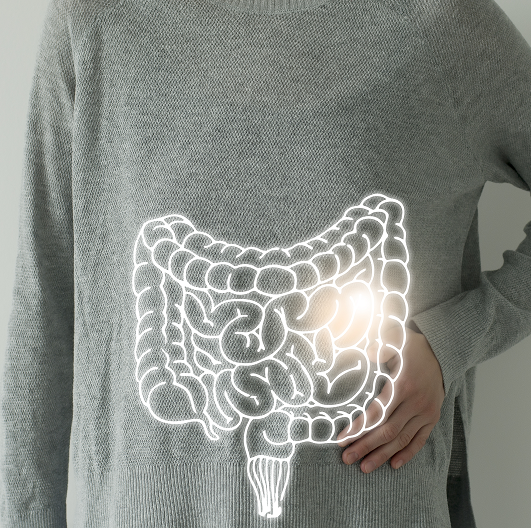
Are Colon Cleanses Safe?
Colon cleanses: Learn the facts from Dr. Nandra. Discover safer ways to maintain colon health. Schedule an appointment today.

Gut Check: Tips for Stomach Pain Relief, Better Digestion and Signs to See Your Doctor
Our expert speaks on how we would know if our stomach problems are serious, and when it's time to get checked out.