4 Signs You Are Ready for Knee Replacement Surgery & What to Expect
August 20, 2018
Updated on September 5, 2025
Knee replacement surgery has come a long way since the first one was performed in 1968. Today, nearly 800,000 procedures are done each year in the U.S., with very successful results. Still, it’s your knee, and it’s natural to feel hesitant about taking the next step.
If knee pain is taking over your life, here are four signs it may be time to talk to your doctor about surgery – plus what you can expect from the procedure and recovery.
1. Your Pain Interferes With Daily Life
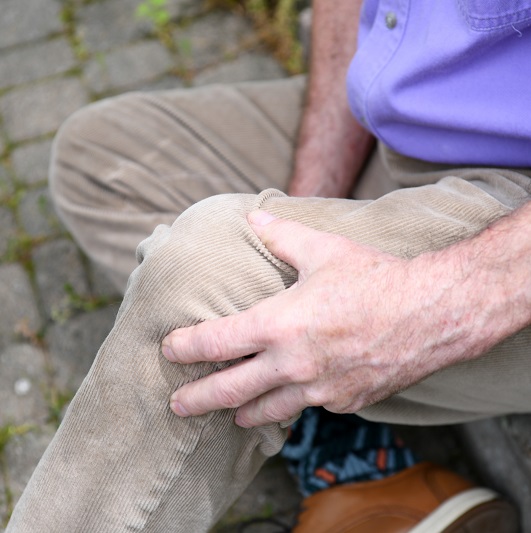
Severe arthritis pain can make everyday activities difficult, from putting on shoes to climbing stairs or getting in and out of a car. If you’ve reached the point where pain keeps you from doing the things you need – and want – to do, it may be time to consider knee replacement.
2. You’ve Tried Other Treatments
Surgery is never the first option. Many people find relief with physical therapy, stretching, cortisone injections or at-home care like rest, ice, compression and elevation (known as RICE). If you’ve tried these approaches without lasting relief, surgery may be the next step.
3. You’re in Good Health for Surgery
Knee replacement is safest when other health conditions are well managed. Risk factors such as uncontrolled diabetes, smoking or a body mass index (BMI) over 40 can make surgery more complicated. If your overall health is stable, you’re more likely to be a good candidate.
4. You’re Ready to Commit to Recovery
Recovery takes work. After surgery, there will be pain, but it’s pain with a purpose. Following your physical therapy plan, staying motivated and sticking with your exercises are key to regaining mobility and getting long-term relief.
What to Expect From Surgery
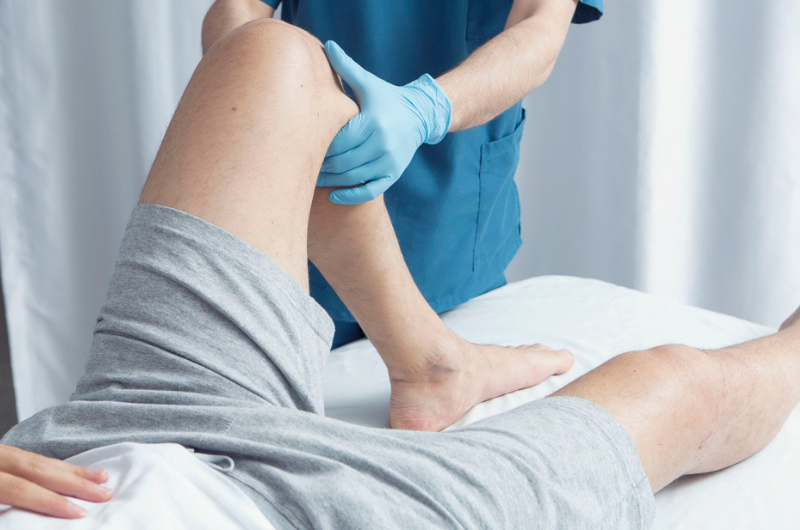
Once you’ve discussed your options with your health care provider and received medical clearance, the procedure itself usually takes 1.5 - 2 hours. Most patients stay in the hospital 1 - 3 nights, and many are encouraged to move their knee the same day as surgery to promote healing.
Recovery and Rehab
Some medical centers offer in-home rehab, where a nurse or therapist visits several times a week during the first few weeks. Patients then typically transition to outpatient rehab for continued strengthening.
Depending on your job, you may be able to return to work within 6 weeks to 3 months. The most important part of recovery is following your physical therapist’s instructions — and continuing your exercises even when they’re not there.
The Bottom Line
Knee replacement surgery can bring life-changing relief if pain and limited mobility have become part of your everyday reality. By knowing the signs, preparing your body and committing to recovery, you’ll set yourself up for the best outcome possible.
Next steps & resources:
- Meet our sources: Stephen Rossman, D.O.
- Make an appointment with an orthopedic specialist, or call 800-822-8905.
- Learn more about sports medicine and injury care at Hackensack Meridian Health.
The material provided through HealthU is intended to be used as general information only and should not replace the advice of your physician. Always consult your physician for individual care.