

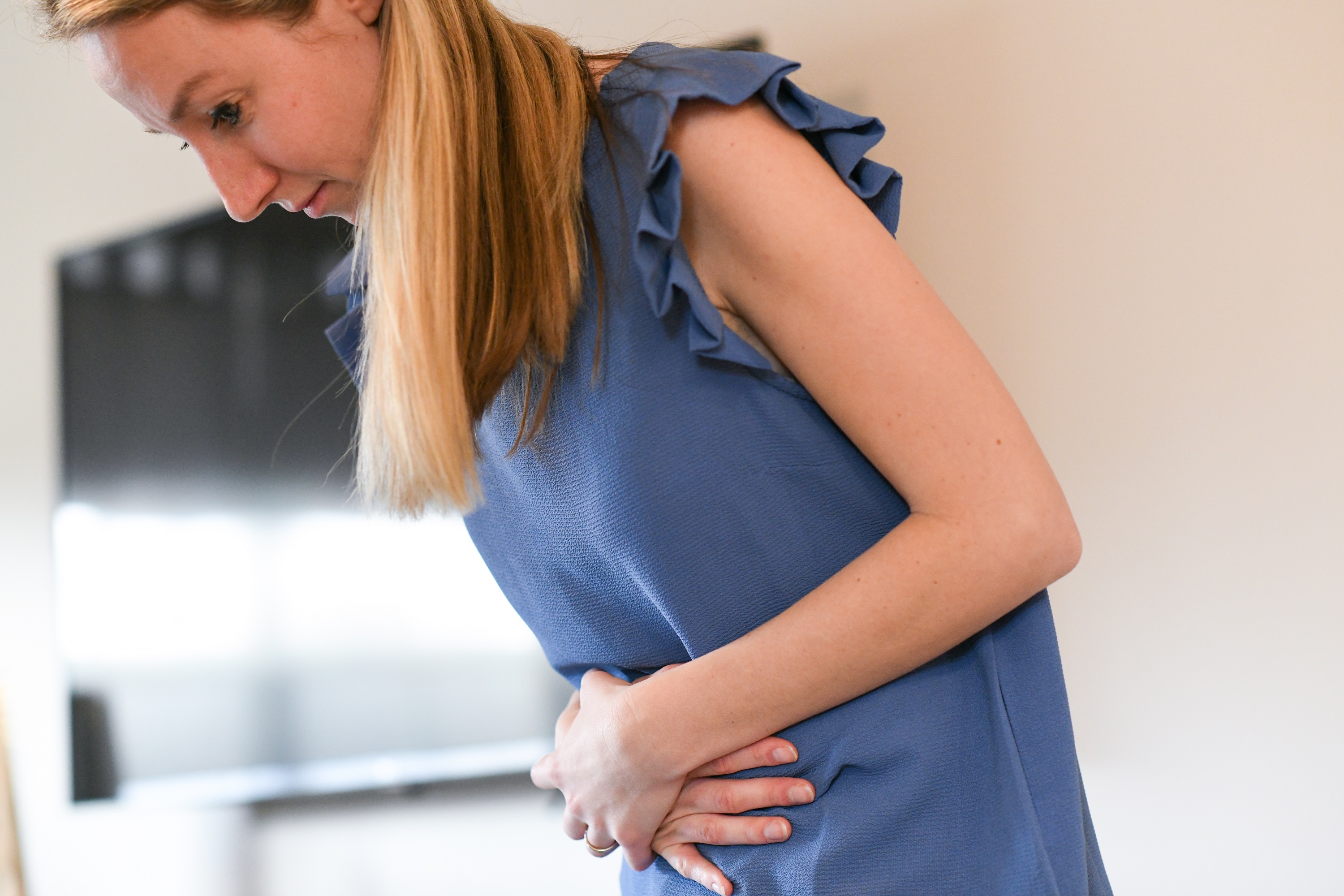
Women with uterine fibroids may wonder and worry about how these noncancerous growths in their uterus may impact their ability to get pregnant or cause complications when they’re pregnant. “Most women with fibroids are able to get pregnant,” said Nageada Jean, M.D., an obstetrician/gynecologist at Pascack Valley Medical Center. “However, once pregnant, the fibroids could have an impact on the pregnancy.”
What Are Uterine Fibroids?
Uterine fibroids are noncancerous growths occurring in the uterus. They are common in women of reproductive age, with the chance of developing them increasing with age until menopause. Also known as leiomyomas (lie-o-my-O-muhs) or myomas, uterine fibroids can range in size from as small as a pea to as large as a melon. They grow into the uterine cavity, within the wall of the uterus, or on the outside of the uterus. Women can have just one or many fibroids.
What Causes Uterine Fibroids?
While we do not know exactly what causes uterine fibroids, we do know the hormones estrogen and progesterone influence their growth, Dr. Jean says. We also know certain women are more likely to develop them:
- African American or Latinx women
- Women with a family history of uterine fibroids
- Women who are obese
Symptoms of Uterine Fibroids
Very often, women may not know they have fibroids. It is not unusual for a woman to first learn she has uterine fibroids until after she is pregnant and she begins getting ultrasounds to track the progress of the pregnancy, Dr. Jean says. But she notes that pregnancy does not cause uterine fibroids.
Depending on where they are in the uterus, fibroids—even large ones—may not cause symptoms. Common symptoms include:
- Pelvic pain
- Heavy bleeding, sometimes heavily enough to cause anemia
- Bloating
- Pain with sex
- Frequent urination
- Rectal pressure
- Enlarged abdomen
- Lower back pain
When women don’t have symptoms, doctors often recommend they be monitored with regular pelvic exams and ultrasounds.
For those with symptoms, “the treatment is based on patient symptoms, the number of fibroids and location of the fibroids,” Dr. Jean says. Recommended treatments range from medications to manage symptoms to surgical intervention to shrink or remove the fibroids, including robotic surgery for some women.
Effects on Pregnancy
Most women with uterine fibroids can get pregnant. “Fibroids often do not have an effect on fertility,” Dr. Jean says. “Depending on where the tumors are located and the size, most women with fibroids are able to get pregnant.”
That said, it’s important for women with a known history of uterine fibroids, or a family history of them, to see their doctor for a full pelvic examination and pelvic ultrasound before getting pregnant. Even if there is no history of uterine fibroids, if a woman is thinking about getting pregnant, she should talk to her OB/GYN about fibroids even if she is asymptomatic for uterine fibroids, Dr. Jean says.
The results of a pelvic exam and ultrasound will give women and their doctors a clear understanding of the status of the uterine environment prior to pregnancy, and if fibroids are detected, there can be discussions about fibroid management and any potential interventions needed before attempting to get pregnant.
While uterine fibroids usually are not a threat to fertility, they can cause complications during pregnancy. “Women with fibroids should keep up with their routine visits, keep up with their routine scans and have a conversation with their doctor to help them have a smooth pregnancy,” Dr. Jean says.
Uterine fibroids can increase the risk of:
- Preterm delivery
- Cesarean section delivery
- Malpresentation, such as breech delivery
- Pain during pregnancy
- Miscarriage
- Bleeding during pregnancy
- Stalled labor
“Fibroids are common, and when they present during pregnancy, there is a risk of complications that may arise. However, there are many patients with fibroids who have had uneventful pregnancies,” Dr. Jean says. “With the number of years that we've treated patients with fibroids and pregnancy, and with the new technologies and treatments available, it is more possible for patients to have uneventful pregnancies right now.”
Next Steps & Resources:
- Meet our source: Nageada Jean, M.D.
- Make an appointment online with Dr. Jean or a doctor near you, or call 800-822-8905.
- Learn more about the Women’s Center at Pascack Valley Medical Center
Find a doctor near me
6 Realities of Pregnancy People Rarely Talk About
Discover 6 common pregnancy realities. Learn helpful tips from Dr. Liu to manage pregnancy challenges and enjoy a healthier journey. Read now.

What to Expect from an MFM Specialist
A doctor or midwife may make referrals to a maternal fetal medicine specialist for care.
Can You Breastfeed With Implants?
Breastfeeding with Implants? Dr. Kim offers advice on successful breastfeeding, even with implants. Learn how implant location impacts milk supply and get support. Call 800-822-8905.

How Early Can a Baby Be Born?
Learn about premature birth. JFK Medical Center experts explain survival rates and potential long-term challenges. Get expert care.