


By Kelly Raymond
COVID-19 has changed almost every aspect of our everyday lives; in many cases, the way we work, enjoy entertainment, exercise, and interact has been moved to virtual platforms.
Now, many doctors are joining in on the virtual revolution and making many services available through telemedicine. We’re here to guide you through what services are available and what to do next.
What is telemedicine?
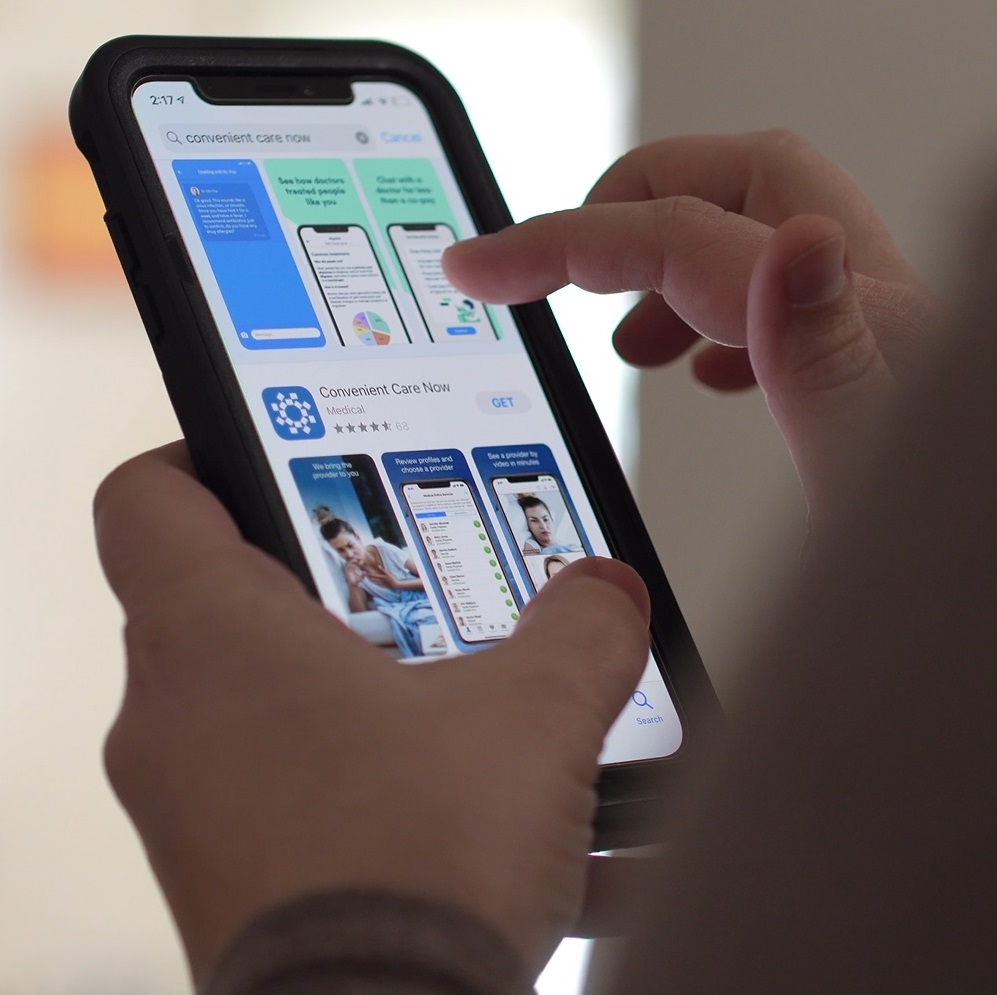
Telemedicine is a convenient way to see your doctor through your phone, tablet or computer. These virtual visits can be used to address a variety of health concerns and manage chronic conditions.
Your Top 8 Questions About Telehealth Answered Here.
“Telemedicine is an especially important tool during the current COVID-19 pandemic,” says Magna Pastrano Lluberes, M.D. “Virtual appointments allow us to identify potential COVID-19 patients while they are safely isolated at home, helping us to prevent the spread of the virus.”
Which types of visits can be conducted through Telemedicine?
A variety of health concerns can be addressed via telemedicine, however, your doctor will let you know if a virtual appointment is the best approach for your care. Some visits that may be conducted virtually are:
Primary Care/Urgent Care
To help manage the following health care needs:
- Minor cold and flu symptoms
- Prescription refills
- UTI treatment
- Sore throat
- Pink eye
Specialists
To help manage care and identify the need for in-person visits:
- Behavioral Health
- Cancer Care
- Cardiovascular
- Endocrinology
- Neurology
- Orthopedics
- Pediatrics
- Physical Medicine and Rehabilitation
- Surgical Consultations
- Urology
Many other specialists are also offering virtual appointments. Talk to your doctor about whether or not a virtual appointment is right for you.
When do I need to come into the office?
Although telemedicine is a powerful tool that continues to expand its capabilities, it is important to know that not every medical visit can be completed virtually. Some examples include:
- Patients requiring an EKG or echocardiogram
- Women in their third trimester of pregnancy
- Newborn visits
- Pediatric well visits and vaccinations
How do I make an appointment?
To make a telemedicine appointment with your regular doctor or specialist, call your physician’s office to schedule. Your physician will send instructions on how to join your telemedicine appointment.
To find a primary care physician or specialist near you, visit our find-a-doctor page.
If you’re traveling within New Jersey, on-the-go or need a same-day appointment, you can use HMH 24/7 to video chat with a doctor 24/7. HMH 24/7 is great for primary and urgent care needs, including cold and flu symptoms, allergies, rashes, hives, pink-eye and more.
For more information and to start a virtual appointment, visit HMH247.org.
Next Steps and Resources
- Meet our source: Magna Pastrano Lluberes, M.D.
- Make an appointment online with a doctor near you, or call 800-822-8905.
- Visit HMH247.org to create an account and start your virtual visit.
Find a doctor near me

ER vs. Urgent Care vs. Pediatrician
When your child gets sick, it can be hard to know - should you go to the emergency room (ER), urgent care or pediatrician?

5 Questions to Ask Your Physician at an Annual Physical Exam
Getting an annual physical exam is an important step in staying healthy. It’s an opportunity to touch base with your primary care physician while you are healthy so you can stay that way.
Telemedicine to Fill Mental Health Medications?
Running out of paper towels is a pain. Running out of medicine is an emergency. Learn more about telemedicine for behavioral health medication management.

When & How to Schedule a Virtual Visit if You’re Feeling Sick
One valuable resource that allows you to visit a doctor without sitting in a waiting room is telemedicine. Learn more.