

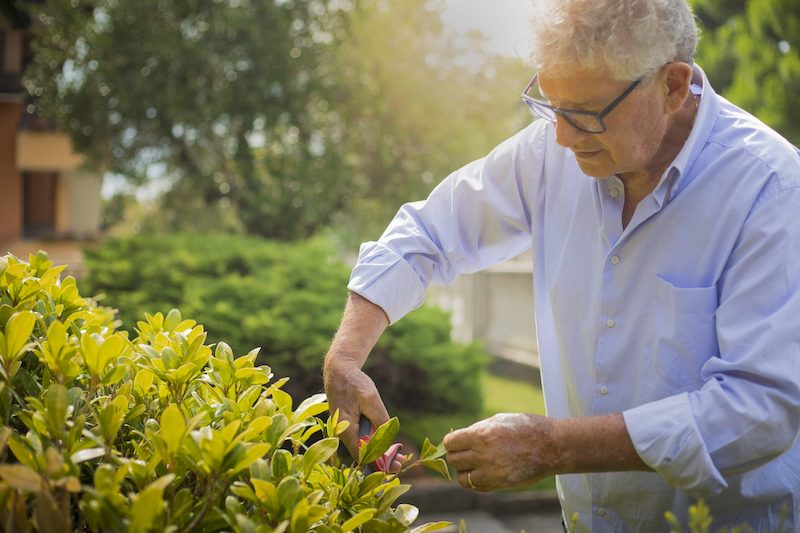
The warmth of summer can be a treat after frigid winters and less-than-sunny springs. Although it’s tempting to spend all of your time outside, the scorching heat can be risky, especially for older adults and people with certain medical conditions.
Does high blood pressure put you at more risk during the summertime? Our medical experts weigh in.
Hot Weather and Hypertension
Internal physician Nripen Dontineni, M.D., says hot weather isn’t particularly harmful for people with high blood pressure. “In fact, people tend to have higher blood pressure in the winter and lower blood pressure in the summer,” he says. “Colder temperatures constrict your arteries, so more pressure is needed to get your blood flowing.”
However, if you take medication for hypertension, the summer heat could pose a slightly increased risk. Some blood pressure medications can increase your sun sensitivity, which could raise your chances of sunburn or photosensitivity, a reaction to the sun characterized by a rash and possibly blisters. Talk to your doctor about your medications to understand your individual risk.
Remember that everyone is different. If you have hypertension, it’s important to regularly monitor your blood pressure and contact your doctor if you notice any sudden changes, including those that are temperature-related.
Increased Risk in Older Adults
Although the summer heat doesn’t pose a significant risk for those with high blood pressure, it’s important to practice caution if you’re in the heat all day—especially if you’re over 65.
Those 65 and older are more likely to experience heat-related problems for several reasons:
- Older adults are more likely to have chronic conditions and take medications that can affect body temperature control.
- Older adults are generally less likely to adjust to sudden temperature spikes or dips.
- Hot temperatures cause increased blood flow to the skin and dehydration, which can lower blood pressure significantly and lead to dizziness, fainting and falls, all of which are more dangerous in older adults.
Practicing Sun Safety
It’s particularly important to practice sun safety if you’re 65 or older. In addition to limiting your time in the sun, you should always wear sunscreen, sunglasses and a hat when outdoors.
Dr. Dontineni suggests offers these tips to keep in mind:
- Stay hydrated. Older adults often don’t feel as thirsty as younger people, so it’s important to hydrate before you feel thirsty. You’ll want to avoid caffeinated beverages and alcohol and, instead, opt for water or juice low in sugar.
- Wear loose-fitting natural fabrics. Synthetic fabrics trap heat. Strive to wear natural, breathable fabrics like cotton and linen instead.
- Avoid peak heat. The sun is typically hottest between 10 a.m. and 4 p.m. Limit your time outdoors during this window.
- Skip the stove. Cooking with the oven and stove can cause your house to overheat. On the hottest days, stick to microwaveable foods or fresh, raw ingredients.
Next Steps & Resources:
- Meet our source: Nripen Dontineni, M.D.
- To make an appointment with Dr. Dontineni or a doctor near you, call 800-822-8905 or visit our website.
Sources:
Find a doctor near me

These 9 Things Can Increase Your Risk of Stroke in Your 40s
Do strokes only affect older adults? While they’re more common among people aged 65 and older, 10 to 15 percent of people who have strokes are between the ages of 18 and 50.

How to Check Your Heart Rate
Learn how to check your heart rate. Dr. Batsides offers guidance on understanding your pulse, improving your health, and scheduling an appointment. Call 800-822-8905.

Five Tips for a Healthier Workout
Three of our cardiologists share how to fit heart healthy exercise into even the busiest schedules.

What Does a Cardiac Stress Test Reveal?
Learn about cardiac stress tests. Understand how this common heart assessment works and what it reveals about your heart health. Consult your doctor.