

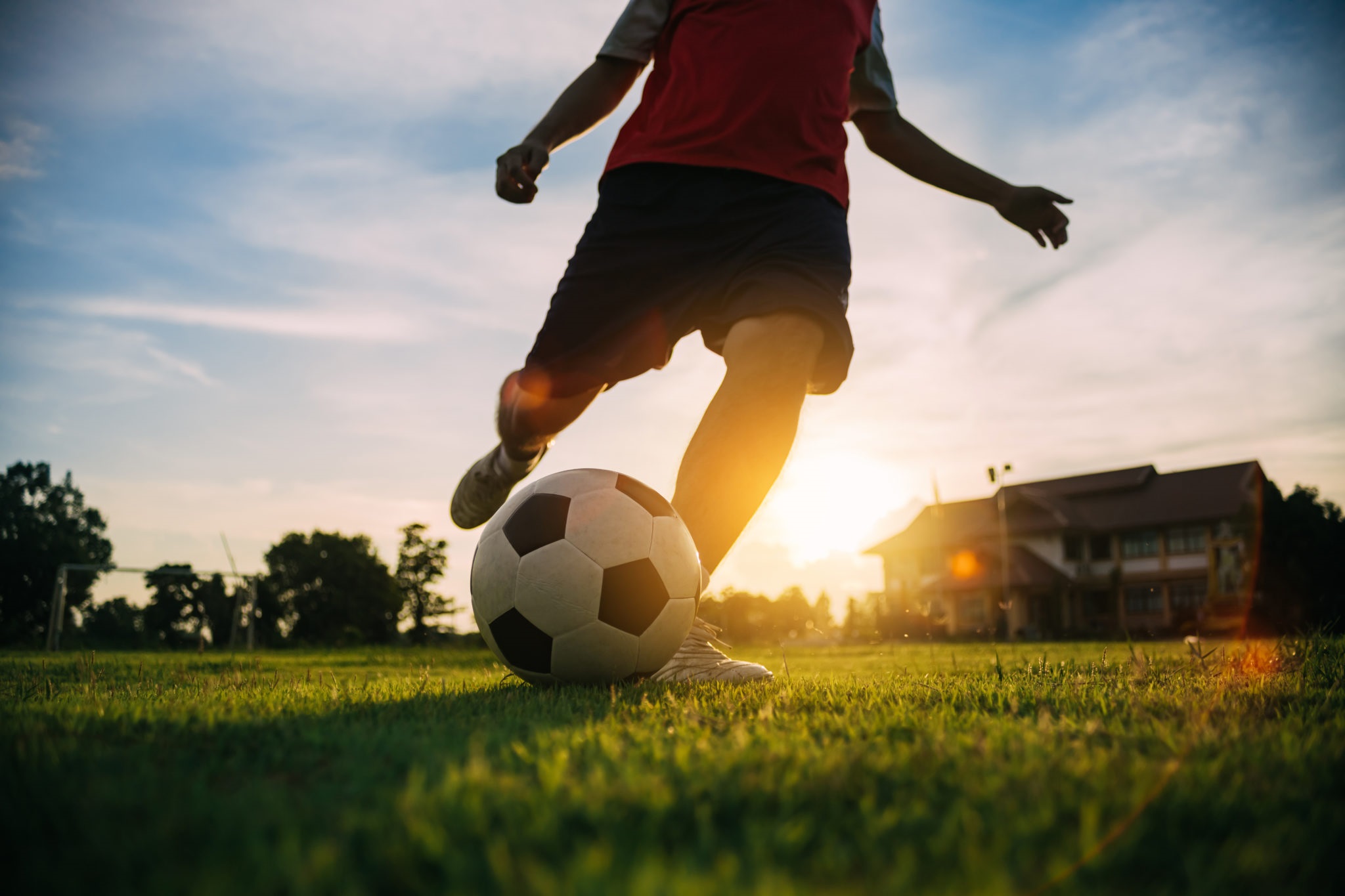
With the return of youth sports comes the return of sports injuries, from common bumps and bruises to more serious issues which may require treatment from a qualified sports medicine physician.
For advice on how to keep young soccer players on the field throughout the season, we reached out to David Porter, M.D., a fellowship-trained orthopedic surgeon who specializes in sports medicine. A keen athlete himself, Dr. Porter has spent the last three years working with local high school athletes, and a number of young soccer players are among his patients.
“On top of the general bump injuries due to the physical nature of the sport, the most common injuries I see among young soccer players are ACL injuries,” Dr. Porter explains.
“If athletes practice a few guidelines to get themselves ready for the season, they’re much less likely to get injured. My overall advice to parents and players is to focus on injury prevention, especially prevention of ACL injuries - plus ankle sprains and meniscus tears, which are the two other common injuries I see.”
Tips to Prevent Injuries
- Stretching: Stretching and warm-ups are extremely important. Soccer requires players to aggressively twist and pivot, so failing to warm up appropriately increases the risk that these in-game maneuvers will end up causing an injury.
- Strengthening supporting muscles: Increasing the strength of the supporting muscles that surround the knee will help prevent injuries. Functional core strength is also extremely important, especially with multidirectional athletes.
- Work on improving balance: Core exercises help boost an athlete’s balance, and improve their overall health, fitness and athletic performance.
Don’t Ignore Signs & Symptoms
- Changes in mobility. If an injury results in difficulty walking, it’s a red flag and should be evaluated by a physician.
- Look for bruises and discoloration. If significant bruising or discoloration occurs at the site of the injury, it’s another red flag which indicates you should have the injury examined and treated by a physician.
- Better safe than sorry. While many minor sports injuries resolve in a short time with rest and icing, an expert opinion is sometimes beneficial. Injuries that last more than 3-5 days, get gradually worse, or repeat injuries of the same location should be evaluated by a physician.
General Tips for Soccer Season
- R.I.C.E. can help: When you experience an injury, practice R.I.C.E., which stands for Rest, Ice, Compression, and Elevation.These are standard methods used to treat most sports injuries.
- Physical therapy aids recovery: Physical therapy is proven to help speed up recovery, and can improve strength and range of motion after an accident. When faced with sports injuries, don’t ignore recommendations to seek physical therapy.
- Eat and sleep like an athlete: Getting a good eight hours of sleep, in addition to eating a well-balanced diet with essential vitamins and nutrients, will help prevent some sports injuries, and can help speed up recovery.
Next Steps & Resources:
- Meet our source: David A. Porter M.D.
- To make an appointment with Dr. Porter, or a doctor near you, call 800-822-8905 or visit our website.
Find a doctor near me
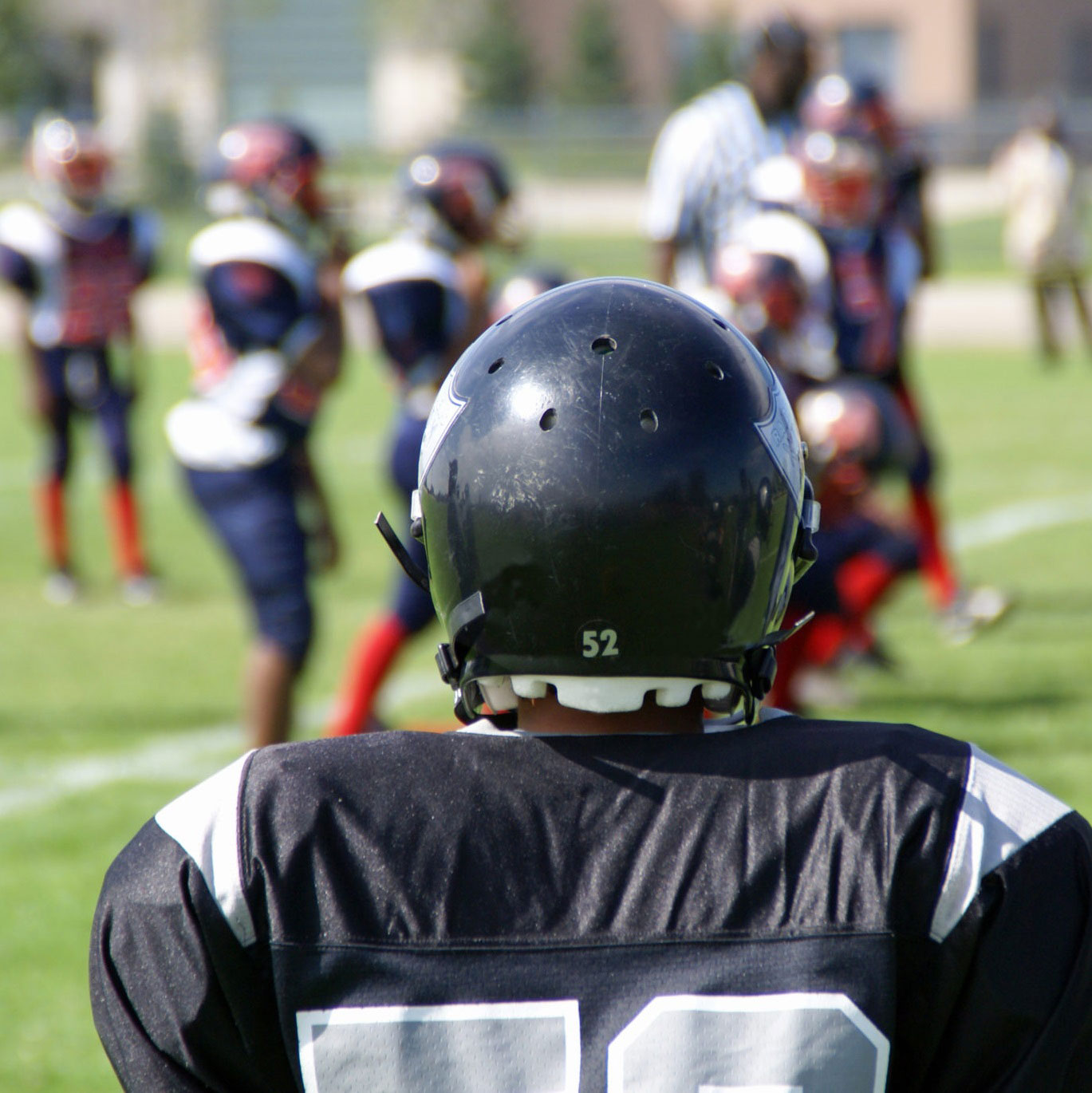
Nervous About Your Kids and Contact Sports? Follow These Tips
According to the Centers for Disease Control and Prevention (CDC), more than 3.5 million children under the age of 14 receive some type of treatment for sports injuries every year.
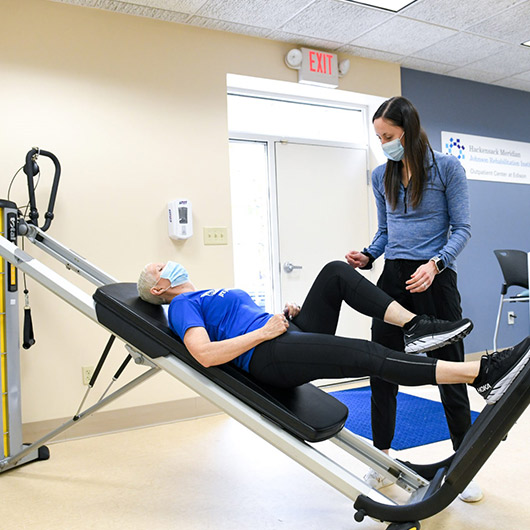
Can Physical Therapy Help Your Arthritis?
Manage arthritis pain? Physical therapy may help improve mobility and range of motion. Learn more and schedule an appointment today.

ER vs. Urgent Care vs. Pediatrician
When your child gets sick, it can be hard to know - should you go to the emergency room (ER), urgent care or pediatrician?

Easy Morning Exercises for Busy Parents
Easy Morning Exercises for Busy Parents. Dr. Patel offers simple, time-saving workouts. Improve your health and well-being. Call 800-822-8905.