

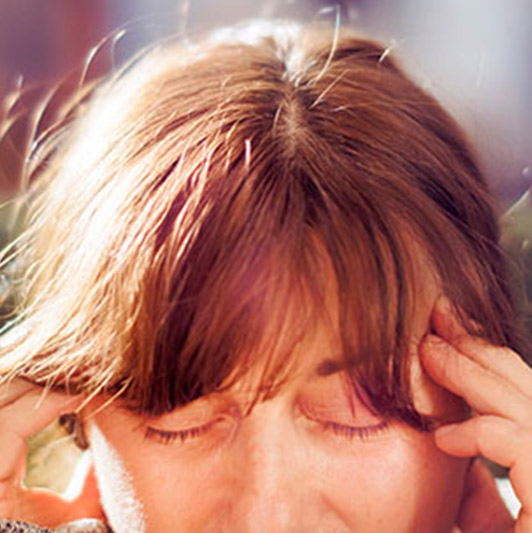
Strokes and brain aneurysms are similar but not the same, says neurosurgeon Yevgenia Shekhtman, M.D. They both can cause severe damage—even death.
What’s an Aneurysm?
An aneurysm is a weakness in the wall of a blood vessel. The weakness in the wall of a vessel leads to ballooning or bulging, which can eventually lead to a rupture of the wall. “When it ruptures,” Dr. Shekhtman says, “the blood comes out of the artery and damages whatever brain structures are near.” An aneurysm can lead to a stroke, but a stroke won’t lead to an aneurysm.
What’s a Stroke?
Strokes are medical emergencies that happen when blood flow is impeded. With a thrombotic stroke, a blood clot forms inside an artery, like a clogged pipe, and blocks the blood from getting to a portion of the brain. Another type of stroke, an ischemic stroke, is caused by a blood vessel that spasms and fully or partially closes down. An aneurysm can cause an ischemic stroke, because the blood coming out of the burst blood vessel can irritate the arteries, causing them to spasm.
Risks Factors for Both
Strokes and brain aneurysms have some risk factors in common, such as:
- Uncontrolled high blood pressure
- Smoking
- Family history
- Structural abnormalities, such as damaged heart valves (stroke) or blood vessels that are formed irregularly (aneurysm)
Symptoms to Look for
When you are having a stroke, you may experience symptoms such as:
- Your face drooping on one side
- Weakness in the arm or leg on one side
- Trouble speaking
- Trouble walking
But with an aneurysm, “most times a person is asymptomatic until the vessel bursts and they have the worst headache of their life,” Dr. Shekhtman says.
Not only can you have a brain aneurysm and not know it, but it may never cause any problems for you. The majority of brain aneurysms never rupture, cause any symptoms or even impact your health. Depending on a variety of factors, no treatment may be needed for an unruptured aneurysm. A watch-and-wait strategy is often all that’s needed.
Next Steps & Resources:
- Meet our source: Yevgenia Shekhtman, M.D. To make an appointment with Dr. Shekhtman or a doctor near you, call 800-822-8905 or visit our website.
- Learn about the region’s most complete lineup of neuroscience services
- What to know about rehabilitation after a brain injury
- What causes a brain hemorrhage?
Find a doctor near me
How to Identify Early Signs of Stroke
Recognize stroke symptoms? Learn early stroke signs from Dr. Pavuluri. Get timely medical attention to reduce disability risk.

How to Help Prevent Stroke
Prevent stroke: Reduce your risk with expert tips from Dr. Uhrik. Learn how lifestyle changes can improve heart health. Call 800-822-8905.

How Your Diet Impacts Stroke Risk
Reduce your stroke risk. Learn how diet impacts stroke risk from Dr. Upadhyaya. Improve your diet and lifestyle for better health. Call 800-822-8905.
Are Strokes and Heart Attacks the Same?
Understand heart attack vs. stroke differences. Learn key symptoms & risk factors from Jersey Shore University Medical Center doctors. Reduce your risk today. Call 800-822-8905.