

Information regarding COVID-19 and vaccines are continually evolving, new details may be available since this content was developed. Please visit the CDC's website for the most up to date information.
The surge in COVID cases due to the new omicron variant means an increased demand for testing. People are once again waiting in long lines to get tested. Unlike March 2020, at-home test kits are now available—but are they accurate?
Here are answers to the most common questions about at-home COVID tests.
What Are the Different Types of Tests?
There are two different types of tests:
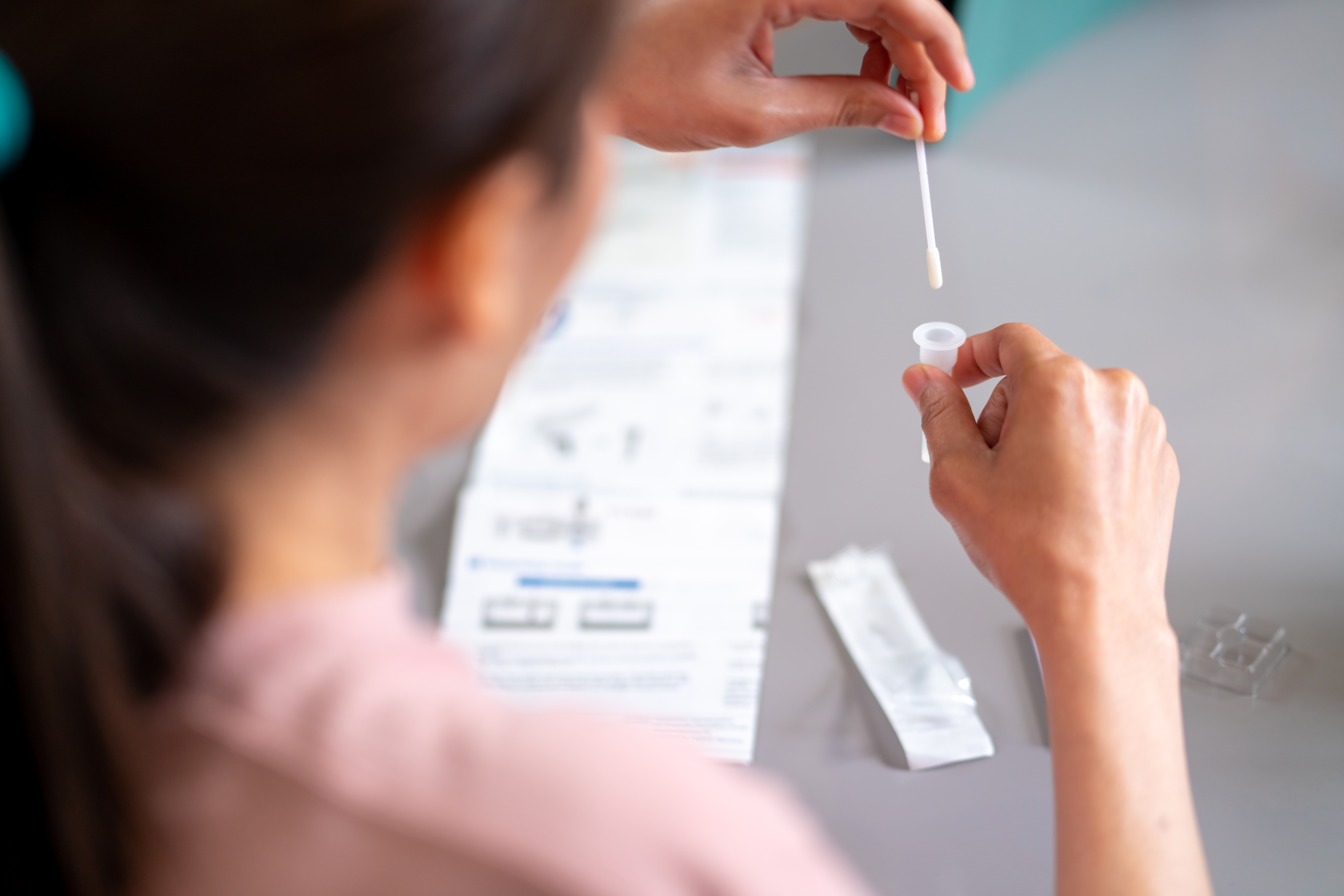
- Rapid antigen tests: “These are generally the tests you can perform at home,” says emergency physician, William Fleischman. M.D. “These tests detect proteins of the virus from a nasal swab.”
- PCR tests: These are usually done in a medical environment with the swab performed by a medical professional. “These tests also generally use a nasal swab but must be sent to a laboratory because it requires special equipment to detect and essentially magnify genetic material of the virus,” says Dr. Fleischman.
How Quick Are the Results?
Rapid tests have results available within 15 minutes of swabbing. PCR tests can take anywhere from an hour to several days, and as testing demands rise so do wait times for results.
How Accurate Are At-home Tests?
Rapid test sensitivity is generally 10-20% lower than PCR tests, especially before symptoms begin and late in the infection course. This is why PCR tests are considered the “gold standard.” However, rapid tests have a similar sensitivity to PCR tests when the viral load is high and the person is contagious.
When Should I Use an At-home Test?
At-home tests can be used if you have symptoms or have been exposed to COVID. Additionally, “They can also be used to decrease risk when gathering with friends and family. But if you’re having symptoms, don’t use rapid tests, and even PCR tests, as a green light to not isolate” says Dr. Fleischman. “No test is perfect.”
How Do I Interpret At-home Test Results?
If the test result is positive, you likely have COVID, especially if you are symptomatic. You should isolate and inform close contacts. You don’t need a PCR test to confirm. If the test is negative, it indicates you may not be infected, or that the viral load is below detection at the moment of testing, but does not necessarily rule out infection.
“Because rapid test sensitivity is generally lower before symptoms begin and late in the infection course, performing a series of tests over several days improves the reliability of the test,” says Dr. Fleischman.
Are False Positives Common With At-home Tests?
False positives—when someone receives a positive test result even though they are not infected—are rare occurrences. They are most likely to occur when an at-home test is not administered according to the manufacturer's instructions.
“The bottom line is, while rapid antigen tests administered at home are not as sensitive as PCR tests and have a higher risk of user error, they are a good tool to use to get quick results and give you general direction on what steps you should consider taking next,” says Dr. Fleischman.
Next Steps & Resources:
- Meet our source: William Fleischman. M.D.
- To make an appointment with a doctor near you, call 800-822-8905 or visit our website.
- Find information on COVID testing and vaccination locations
Find a doctor near me
When to Use an At-Home COVID Test Kit
At-home COVID tests: Learn when to use them, types available, & reliability from Dr. Cicogna. Get testing info & schedule an appointment.
Can Babies Get COVID-19?
Protect your baby from COVID-19. Learn about symptoms, vaccines, and when to seek medical care. Dr. Riollano Cruz offers expert advice. Call 800-822-8905.

How to Talk To Your Kids About Getting the COVID-19 Vaccine
As COVID cases surge across the country and pediatric hospitalizations are on the rise, vaccination is a critical resource to protect against infection, serious illness and death in children and adults.

The Scoop on Breakthrough Infections: Are You at Risk?
The COVID-19 vaccines are very effective at preventing infection, serious illness, hospitalization and death, however there is still a chance for a breakthrough infection.