

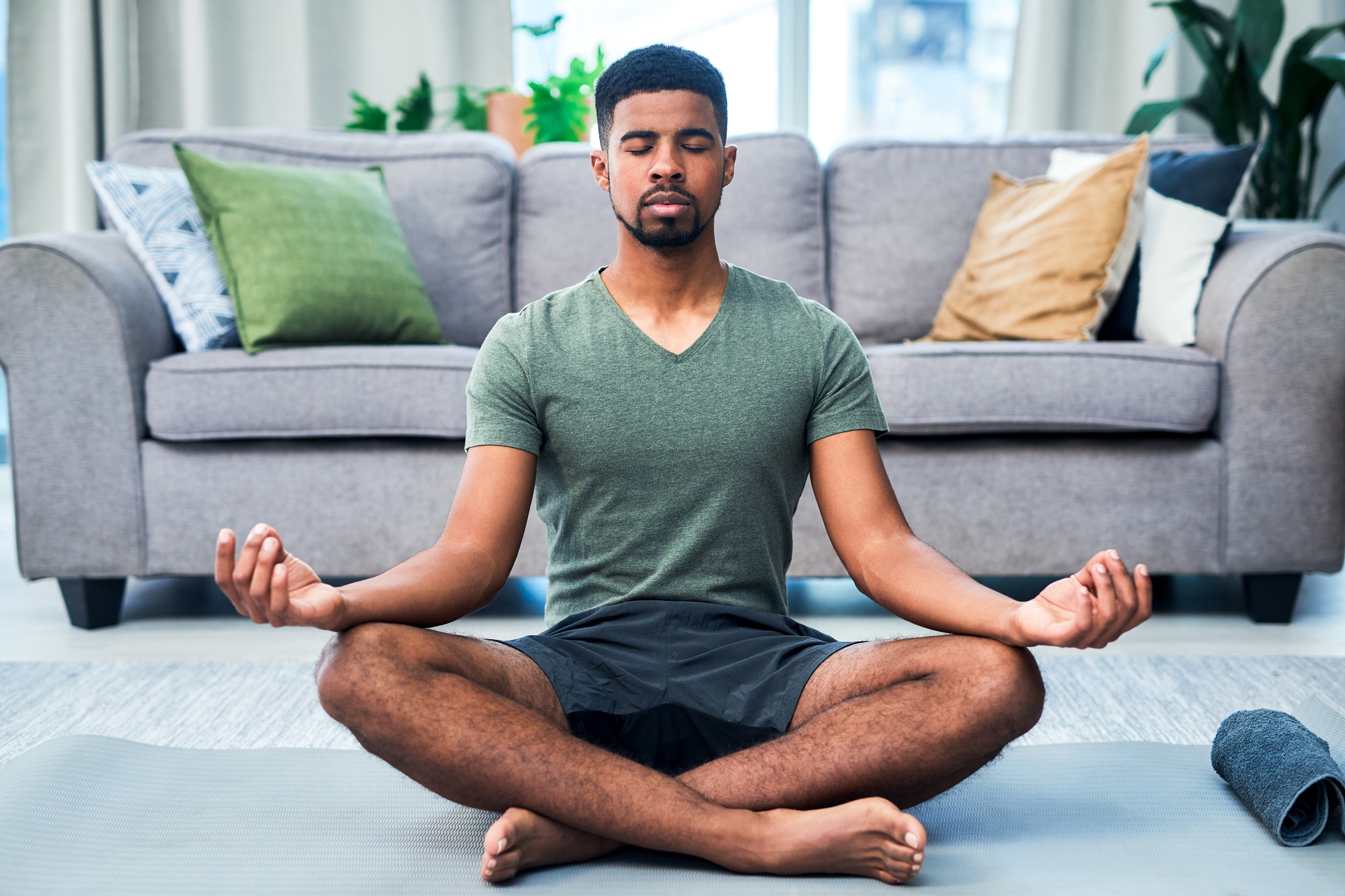
Is your jaw tight? Are you holding your breath? Our bodies hold tension in all different ways.
While the world is more stressed than ever, the good news is that there are steps you can take to relieve that stressful tension.
1. Focus on your breathing
“We don’t take enough time to sit and breathe. If you utilize a breathing technique for five minutes twice a day you will think more clearly and be less fatigued,” shares Emma Stafford, APN-C, integrative medicine nurse practitioner.
Some recommended breathing techniques include:
- 4-7-8 breathing: Breathe in through your nose for four seconds, hold it for 7 seconds, and exhale audibly through your mouth for 8 seconds.
- Box breathing: Breathe in for four seconds, hold it for four seconds, exhale for four seconds, then pause for four seconds before taking your next breath.
“People need to do something every day for their mental health; just like you brush your teeth every day, what do you do for your mental health?” Emma asks. “Every one of my patients goes home with a breathing technique.”
“When you’re feeling overwhelmed and you can’t think straight, focus on your breath and remember, you have the power to come back to a calm state,” Emma advises. “If you do these techniques every day, it will start to be automatic for you when something stressful comes your way.”
2. Take mindful moments during the day
“We’re so self-critical, it can be so draining and depleting of your energy and emotions. It’s helpful to remind yourself to practice non-judgement - don’t judge yourself or others. By practicing patience and trying to improve yourself as a person, you will feel a shift in your body,” describes Emma.
Take two to three minutes a day and listen to a guided meditation to calm your nervous system. Common mobile apps you can use to set aside mindful moments include:
- Insight Timer
- Calm
- Ten Percent Happier
There are many other apps available for guided meditations – try a few and see which one works best for you.
- Evaluate your diet and chose fresh, natural foods
“Most people don’t realize how food can impact your mood - some foods are linked to improved mood, energy and concentration, while others can give you a quick jolt of energy but then leave you feeling tired, bloated and worn down,” shares Emma.
Here are some quick tips when it comes to picking snacks and meals:
- Cut down on your sugar intake and ditch the processed foods like chips, cereals, baked goods, microwavable meals, and soda.
- The more colorful the better. Fill your diet with fruits and vegetables.
- Go outside and exercise
“Exercise is the best antidepressant and it’s free! Take a walk outside, go for a jog, ride your bike, whatever you can do to get moving is key, and if it can be outside, that’s even better,” Emma mentions.
“Making a lifestyle change is a commitment, and it’s hard to do, but it will give you the best life. Start with one thing, whatever you can commit to, whether it’s going for a walk every day or breathing exercises. Small changes can make a big difference in your body,” concludes Emma.
Next Steps & Resources:
- Make an appointment online with a doctor near you, or call 800-822-8905.
- Learn more about Integrative Health and Medicine at Hackensack Meridian Health
Find a doctor near me

How Do I Know if I Have an Alcohol Use Disorder?
Concerned about alcohol use? Learn how to recognize alcohol use disorder from Dr. Juneja. Get support and treatment options now.

What to Do When Coping Skills Don’t Work
Manage anxiety and stress? Dr. Markarian offers coping skills and strategies for better emotional well-being. Find support and resources now.
Can Stress Cause Hiccups?
Stress causing hiccups? Dr. Olushoga explains why and offers relief tips. Learn more and schedule an appointment.
Signs That You Need a Mental Health Day
Need a mental health day? Learn signs of burnout & stress from Dr. Parker. Prioritize self-care; regain focus & energy. Call 800-822-8905.