

About 14,000 women in the U.S. are diagnosed with cervical cancer every year. The average age at diagnosis is 50 years old, but the age cohort with the highest likelihood of diagnosis is women between 35 and 44 years old.
The most common cause of cervical cancer is human papillomavirus (HPV). And most sexually active people have been exposed to the HPV virus.
“If you’re sexually active, there’s a good chance that you’ve been exposed to HPV,” says Mark Borowsky, M.D., medical director of Gynecologic Oncology for Hackensack Meridian Health’s Southern Region. “Fortunately, most types of HPV don’t lead to cancer and we have excellent vaccines for the HPV types that are most likely to cause cancer.”
Early Signs of Cervical Cancer
Early cervical cancer is often silent, so you may not know that something is wrong. For that reason and because cervical cancer can also be prevented if abnormalities are found early, cervical screening through Pap testing is strongly recommended. For women over age 30 cervical cancer screening should also include a DNA or RNA test for HPV.
Talk to your doctor if you notice any symptoms like these. They may (or may not) be early signs of cervical cancer:
- Spotting or bleeding between menstrual periods
- Bleeding that occurs after the end of a menstrual period
- Menstrual flow that’s heavier than usual, lasting longer than usual
- Bleeding during or after vaginal intercourse
- Pain during vaginal intercourse
- Bleeding after a pelvic exam
- Bleeding after douching
- More vaginal discharge than usual
- Vaginal discharge that appears to have blood in it
- Vaginal bleeding after menopause
- Chronic, unexplained pelvic pain or back pain
Ways to Lower Your Risk of Cervical Cancer
There are a number of ways to lower your risk of cervical cancer, including:
- Get the HPV vaccine. HPV vaccines are recommended for all people aged 9 through 26. People aged 27 through 45 may be eligible; ask your doctor if you are. No other prevention strategy is as important or as effective as vaccination against HPV, preferably in children or early teens so that it is prior to the onset of sexual activity.
- Limit your exposure to HPV. Safer sex reduces the likelihood that you’ll get HPV or other sexually transmitted infections. Use condoms and/or dental dams whenever you’re sexually intimate.
- Be selective about sexual partners. Limit the number of people whom you have sex with. Avoid having sex with people who have many sexual partners or genital warts.
- See your OB/GYN regularly. Get Pap tests as often as your doctor recommends. If they also recommend getting tested for HPV, do it.
- Practice monogamy. Limit yourself to one sexual partner who limits themselves to you. Neither of you will have outside exposure to HPV.
- Delay your first sexual experience. If you aren’t sexually active yet, consider waiting. Becoming sexually active may expose you to HPV, which increases cervical cancer risk.
- Skip smoking. Smoking increases the risk of cervical cancer.
Next Steps & Resources:
- Meet our source: Mark Borowsky, M.D.
- Make an appointment online with a doctor near you, or call 800-822-8905.
Find a doctor near me

When To Get A Colon Cancer Screening
While most cases of colon cancer happen in those over 50, cases of colon cancer are rising among those under 50. Read on to know if you are at risk and should be screened.

What to Do When You Find a Breast Lump
Discover breast lump next steps. Dr. Tammaro explains what to do: see your doctor for diagnosis and treatment options. Schedule your appointment today.

How to Naturally Prevent a UTI
Naturally prevent UTIs. Learn tips from Dr. Wheeler for diet, lifestyle changes & hygiene to reduce risk. Call 800-822-8905 for help.
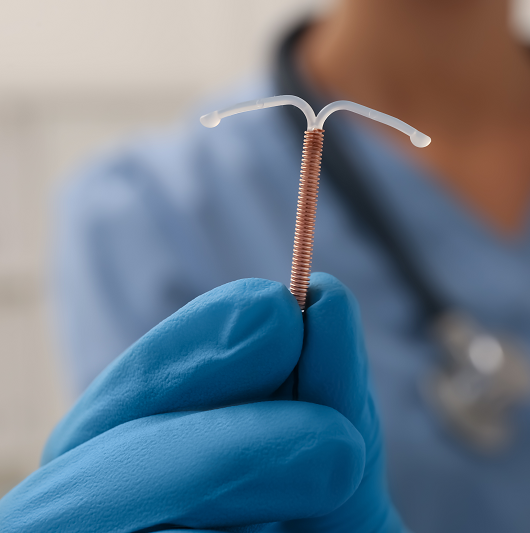
What to Expect During an IUD Placement
IUD Placement: What to Expect. Learn about the procedure from Dr. Pagano at Ocean University Medical Center. Schedule your appointment today.