


Are you unsure what’s safe to eat while breastfeeding? There aren’t strict rules to follow, but you should focus on healthy whole foods.
“You pass nutrients to your baby through the breast milk that you produce,” says registered dietician, Alexa Tillis, from the Neonatal Intensive Care (NICU) at Joseph M. Sanzari Children’s Hospital. “When you consume nutrient-rich choices, you have more to offer your baby.”
Foods to Eat While Breastfeeding
There are countless options available for breastfeeding moms who want to eat healthily.
Fruits, vegetables, lean protein, whole grains and dairy should help you produce breast milk. They’re better choices than sugary sweets or other empty calories.
“Vary your diet to expose your baby to different nutrients and flavors,” Alexa says. “Breast-milk flavor changes, based on diet, giving your baby a preview before solid foods.”
To produce nutritious breast milk, eat a variety of foods like:
- Fruits and vegetables, which are high in vitamins, antioxidants and fiber. Eating a variety of fruits and vegetables is important since each provides us with different vitamins and minerals. Eating a variety helps ensure we are getting enough of what we need.
- Lean protein, including meat, poultry, seafood, beans, nuts and seeds. Eat fish twice a week for the docosahexaenoic acid (DHA), for your baby’s brain development.
- Whole grains, which are high in fiber and contain protein, as well as carbohydrates. Brown rice, oats and whole wheat contain more vitamins and minerals than “white” grains.
- Dairy products, which are rich in protein and calcium. Try drinking milk, eating low-fat cheese or consuming unsweetened yogurt.
- Plant-based dairy products, which some people eat or drink instead of traditional dairy. If you’re vegan or lactose intolerant, plant-based milks and cheeses can provide calcium.
“There are many products available claiming to help with breastfeeding or milk production, like cookies or drinks. Always contact your doctor and/or a lactation consultant prior to starting any of these products,” says Alexa.
Eating a wide array of foods should expose your baby to a variety of nutrients. Eat healthy-sized portions, because you’re still “eating for two.”
Some women try losing weight after giving birth, but don’t restrict your calorie intake. Breastfeeding burns about 500 extra calories daily, so it’s important to eat enough.
Drink Enough Liquids While Breastfeeding
Don’t forget to drink plenty of water while you’re breastfeeding. Your body needs more water to help produce breast milk.
“You may be so focused on your baby, you forget about yourself,” Alexa says, “but drinking water benefits both you and your baby.”
Some women remind themselves to drink by leaving water where they normally breastfeed. Try to drink water every time that you sit down to nurse.
Special Advice for Vegan and Vegetarian Moms
Women who are vegan or vegetarian can safely breastfeed their babies. Be sure to eat enough protein, such as nuts, seeds and beans.
If you’re vegan or vegetarian, you may need vitamin B12 supplements while breastfeeding. Talk to your doctor or your child’s pediatrician for guidance.
Foods to Limit While Breastfeeding
There isn’t an exhaustive restricted-foods list to follow, like there was during pregnancy. But you may want to limit your intake of these while breastfeeding:
- Big fish that are high in mercury, like swordfish, king mackerel and shark. Instead, opt for seafood that's lower in mercury, like shrimp, salmon and flounder.
- Alcoholic beverages, which aren’t forbidden if you’re breastfeeding. However, your blood-alcohol level will affect your baby; wait 2-3 hours before breastfeeding.
- Coffee, if you find that your baby has trouble napping from the caffeine. Try not to have more than 2-3 cups in a given day.
- Sweetened beverages, including those with artificial sweeteners. You may also want to limit your intake of juice, which is high in calories.
- Foods that cause sensitivity, which vary from baby to baby. Your baby’s pediatrician should tell you if you should eliminate something from your diet.
Next Steps & Resources:
- Meet our source: Alexa Tillis, RD, CNSC
- Breastfeeding and Lactation Support
- To make an appointment with a health care provider near you, call 800-822-8905 or visit our website.
Find a doctor near me
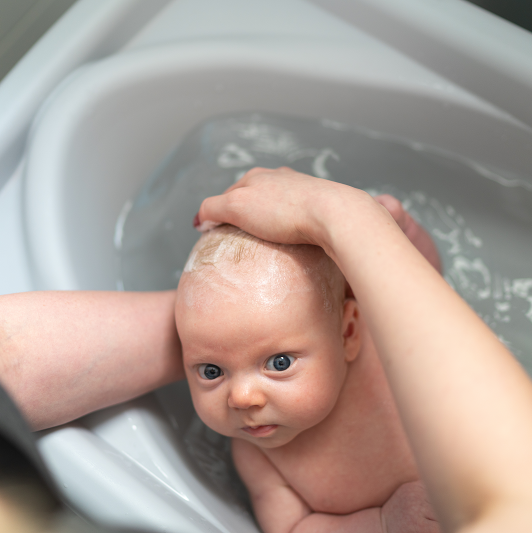
Bathing 101: How to Bathe Your New Baby
Newborn bath tips from Dr. Olorunnisola. Learn how to safely bathe your baby, before & after the umbilical cord falls off. Call 800-822-8905 for care.

How To Keep Your Sleeping Baby Safe
Safe baby sleep practices from Joseph M. Sanzari Children's Hospital experts. Reduce SIDS risk. Learn essential tips & habits to protect your baby. Call 800-822-8905.
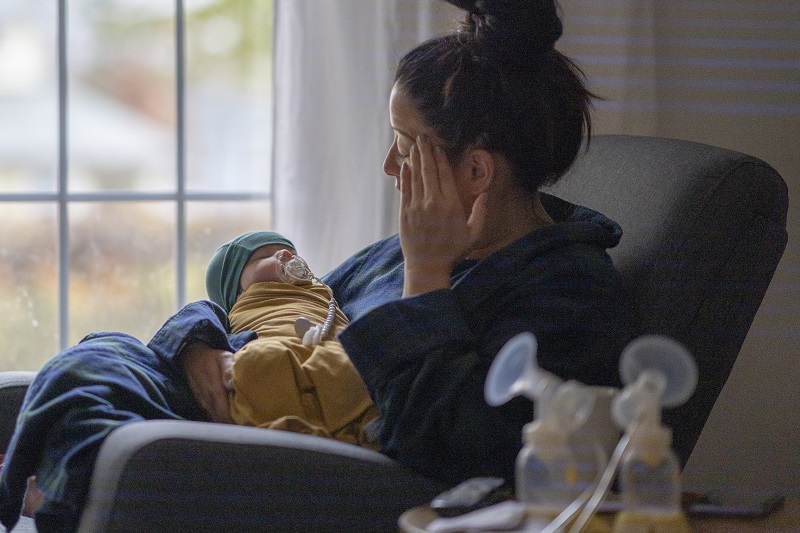
Things No One Told You About Postpartum, But We Will
Your body changes drastically during pregnancy and after child birth. Here’s a closer look at what you can expect during this pivotal period.
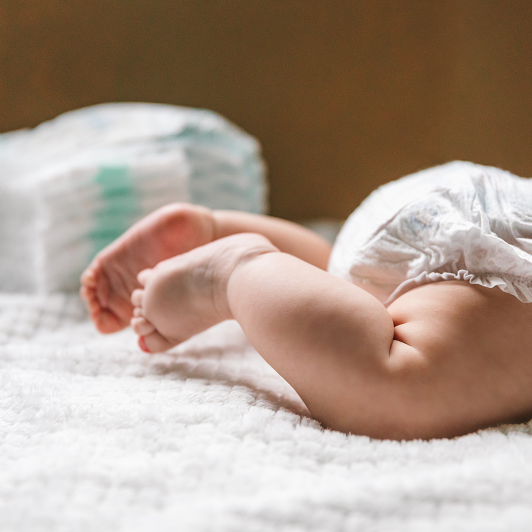
What Does Your Baby's Poop Mean?
Understand your baby's poop. Dr. Shaul explains what's normal and when to call a pediatrician. Get expert advice now.