

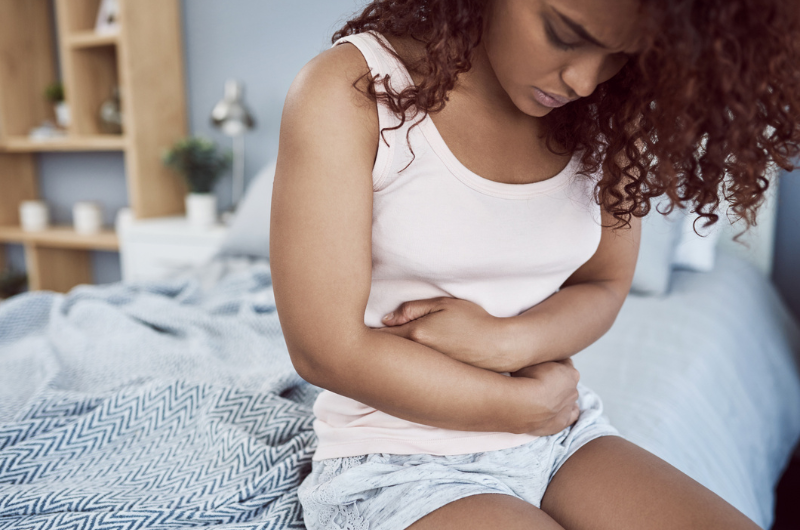
It’s the heaviest day of your period. At bedtime, you set your alarm for the middle of the night so you can use the bathroom. If you don’t, you’ll bleed through.
Maybe you’ve accepted this routine as your “normal”. But is it really?
“There’s a wide range of what’s considered a ‘normal’ period,” says Jocelyn Carlo, M.D., a gynecologist specializing in minimally invasive gynecologic surgery at Hackensack Meridian Health. “But if it’s impacting your quality of life, that’s reason enough to seek help.”
So, how do you know if your period is considered heavy, and if it is, what can you do about it? Dr. Carlo walks through the ins and outs of heavy periods.
What Counts as a Super Heavy Period?
Menorrhagia is the medical term for heavy menstrual bleeding. Having a heavy period each month is annoying, but it could also be a signal that something more serious is going on with your health.
These are the most common signs that your flow is too heavy:
- You soak through a pad or tampon in an hour (or less)
- You double up with both a tampon and pad
- You need to change period products during the night
- You’ve ever had to wear adult diapers for your period
- You bleed for more than 7–10 days straight
- You feel exhausted, dizzy, or look pale during your period
“A period doesn’t have to be long to be too heavy,” Dr. Carlo clarifies. “You can bleed heavily for just a couple days and still be losing more blood than you should.”
Should I Be Worried About Clots?
Not necessarily. Clots are common and, on their own, usually aren’t a cause for concern.
“Clotting tends to be more reassuring to us [doctors] than worrisome,” Dr. Carlo says. “We get more concerned when someone is bleeding so freely that there isn’t enough clotting. That could point to a bleeding disorder, especially in teens.”
Still, if you’re seeing large clots regularly or passing clots along with other heavy period symptoms, it’s smart to bring it up with your doctor.
When Should I See a Doctor?
If you’re regularly soaking through pads or tampons, doubling up on protection, or changing your sheets in the middle of the night because of period bleeding, you’re not alone. About one in three women seek treatment for heavy periods, according to the American College of Obstetricians and Gynecologists. But just because heavy menstrual bleeding is common, it doesn’t mean you’re stuck with it.
“Too many women put up with heavy bleeding for years because they think it’s just part of being a woman,” says Dr. Carlo. “But if you’re changing how you live your life because of your period, that’s not normal — and it’s worth looking into.”
The most common medical causes of heavy bleeding that your doctor may check for include:
- Bleeding disorders (such as von Willebrand disease)
- Endometrial cancer
- Endometrial hyperplasia (abnormal growth of uterine lining)
- Hormonal imbalances
- Polyps
- Pregnancy complications (such as miscarriage or ectopic pregnancy)
- Thyroid issues
- Uterine fibroids
What to Expect at the Doctor’s Office
If you're bleeding heavily and often, your doctor will want to get a full picture of your health and symptoms. That might include any of the following:
- A pelvic exam to check for anatomical issues like fibroids or polyps
- A pregnancy test
- An ultrasound
- Blood work to check hormone levels, thyroid function, or anemia
- In some cases, an endometrial biopsy (especially for patients over 40 or those with risk factors)
“There’s a whole classification system we use to figure out what’s causing abnormal bleeding,” Dr. Carlo says. “We look at everything – from endocrine disorders to anatomy – so we can tailor the treatment to the cause.”
What are My Treatment Options?
The treatment for heavy bleeding depends on what’s causing it. Sometimes your doctor may suggest trying hormonal birth control first to see if it helps. Other times, they may recommend additional testing or a procedure.
Menorrhagia treatment options may include:
- Birth control pills
- Endometrial ablation (destruction of uterine lining-for people who are done having children)
- Hormonal IUD
- Procedures or surgery to remove fibroids or polyps
- Treating an underlying condition (thyroid disorder, bleeding disorder, etc.)
If you're in perimenopause, bleeding changes are common, but that doesn’t mean you have to live with them. “There are options for everyone, at every age,” Dr. Carlo says.
The Bottom Line: You Don’t Have to Suffer Through Heavy Periods
Heavy menstrual bleeding isn’t just frustrating – it can affect your sleep, your energy, your schedule and your overall well-being. And while every person is different, here’s what you should remember:
- Soaking through pads or tampons every hour is not normal
- Bleeding that lasts longer than 7–10 days is too much
- Even if your period is technically “normal” on paper, if it’s impacting your life, it’s worth getting checked out
- There are real medical reasons for heavy bleeding, and there are treatments that can help
Most importantly, you don’t have to keep pushing through and pretending it’s fine. You deserve answers and relief. Help is available, and it starts with a conversation.
Next Steps & Resources
- Meet our experts: Jocelyn Carlo, M.D.
- Make an appointment online with an OB-GYN near you, or call 800-822-8905.
- Learn more about our women’s health services.
Find a doctor near me
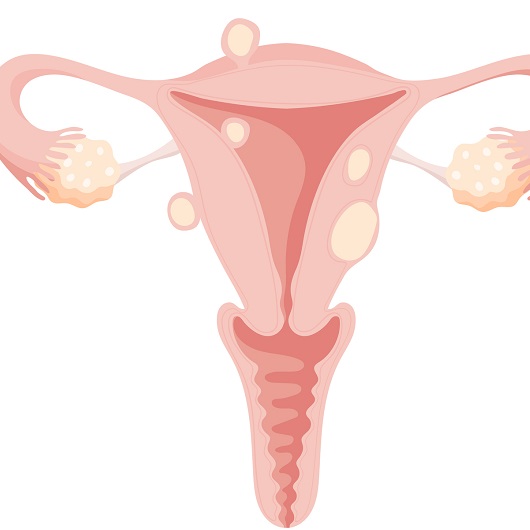
Can You Shrink Fibroids Naturally?
Shrink fibroids naturally? Learn about effective fibroid treatments from Dr. Asulin at Pascack Valley Medical Center. Explore nonsurgical & surgical options.
Is it Normal to Miss Your Period?
Missed period? Learn why this happens and when to see a doctor. APN Tatsiana Barr offers insights and guidance. Schedule an appointment today.
Morning Sickness Symptoms and When It Stops
Morning Sickness? Dr. Turkish of Old Bridge Medical Center explains symptoms, home remedies, and when to seek help. Find relief. Call 800-822-8905.
What Happens If Fibroids Go Untreated?
Untreated fibroids: Learn about potential risks and symptoms from Drs. Conway and Carlo. Jersey Shore University Medical Center offers expert care. Call 800-822-8905.