


Do you remember your first health class lesson on the female anatomy?
If you just laughed, cringed or drew a blank, you’re not alone. Many women grow up with incomplete – or completely missing – knowledge about their own bodies. This can lead to confusion, anxiety or even delayed medical care when something doesn’t feel right.
“It’s surprising how often women misunderstand where their symptoms are coming from,” says Jocelyn Carlo, M.D., a gynecologist and expert in minimally invasive gynecologic surgery at Hackensack Meridian Health. “If you don’t know your anatomy, you might assume all discomfort is coming from the same place, when it might actually be somewhere else entirely.”
In this guide (with diagrams for easy reference), Dr. Carlo helps set the record straight about what’s what, inside and out – so you can feel more informed, confident and empowered about your own body.
External Anatomy: What You See
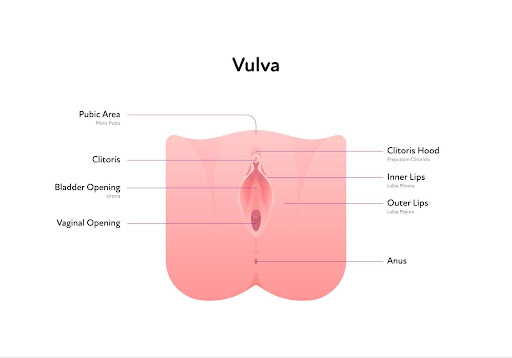
The external female anatomy is collectively called the vulva – not the vagina (a common misunderstanding). Here’s what it includes:
- Mons pubis: The fatty tissue above the pubic bone, usually covered by pubic hair after puberty.
- Labia majora: The outer lips of the vulva, which protect the more delicate structures inside.
- Labia minora: The inner lips, which vary greatly in size, shape, and color from person to person.
- Clitoris: A small, highly sensitive organ at the top of the vulva, covered by the clitoral hood. Its only function is sexual pleasure.
- Urethral opening: Where urine exits the body. This is separate from the vaginal opening.
- Vaginal opening: The entrance to the vagina, which leads to the internal reproductive organs.
“Everyone’s vulva looks different, and that’s completely normal,” Dr. Carlo says. “Just like faces, there’s a wide range of variation. Changes over time – from childbirth, hormonal shifts, or aging – are also normal.”
Internal Anatomy: What You Don’t See
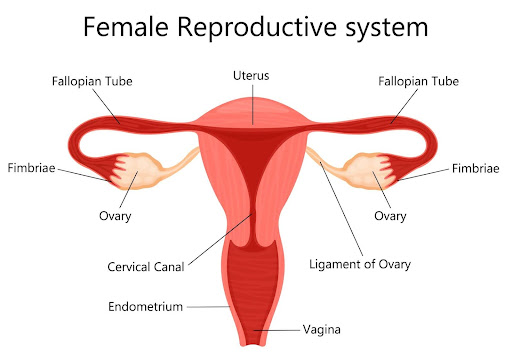
These structures are not visible without a pelvic exam, but they play essential roles in menstruation, reproduction and sexual health.
- Cervix: The lower part of the uterus that opens into the vagina. It produces cervical mucus and dilates during labor.
- Fallopian tubes: Two narrow tubes that carry eggs from the ovaries to the uterus. Fertilization usually happens here.
- Ovaries: Small, oval-shaped organs that produce eggs and release hormones like estrogen and progesterone.
- Uterus: A hollow, muscular organ where a fertilized egg can implant and develop into a fetus. It’s also the source of menstrual bleeding.
- Vagina: A muscular canal that connects the vaginal opening to the cervix. It’s where menstrual blood exits, where penetrative intercourse can occur, and is the birth canal during childbirth.
Dr. Carlo notes that understanding internal anatomy helps patients better grasp what’s happening during a pelvic exam, an ultrasound or a gynecologic surgery.
“Sometimes I’ll hear a patient say they had a ‘partial hysterectomy’ when what they really mean is that their uterus was removed but their ovaries were left in place,” she says. “Clarity matters, especially for your medical records.”
Common Misconceptions About the Female Anatomy
Even the most health-conscious women can mix up terminology or believe myths about their anatomy. Here are a few Dr. Carlo wishes more people understood:
Vulva vs. Vagina
The vulva is on the outside. The vagina is on the inside.
“Partial Hysterectomy” Confusion
This term isn’t technically correct, since hysterectomy always means removal of the uterus. The ovaries and cervix may or may not also be removed, but that’s specified separately.
“Normal” Appearance
There’s no single “normal” when it comes to vulva size, color or symmetry.
Changes are natural
The vagina and vulva can change in appearance and sensation with life stages like puberty, childbirth and menopause.
“It’s so important to teach our daughters correct anatomy, not nicknames,” Dr. Carlo says. “When a child can use the right words, it opens the door for better communication and can even help protect them from harm.”
Final Takeaway: Understanding Your Anatomy is Important
Your body is yours, and understanding it is one of the most powerful forms of self-care. Knowing the correct terms for your anatomy helps you describe symptoms clearly, understand your medical records, and make informed decisions about your care.
And remember: variation is normal. If you’ve been comparing yourself to an image online or in your head, know that there is no single way your anatomy “should” look.
As Dr. Carlo reminds us, “Your doctor is your teacher; we want you to ask questions.” So whether you’re visiting for a routine checkup or dealing with a new concern, don’t be afraid to speak up. Your health – and your confidence – are worth it.
Next Steps & Resources
- Meet our experts: Jocelyn Carlo, M.D.
- To make an appointment with a doctor near you, call 800-822-8905 or visit our website.
- Learn more about our women’s health services.
Find a doctor near me

Does the Pill Impact Fertility?
Birth control pills & fertility? Dr. Weeks clarifies concerns. Learn how the pill impacts your menstrual cycle and future fertility. Get expert advice. Call 800-822-8905.
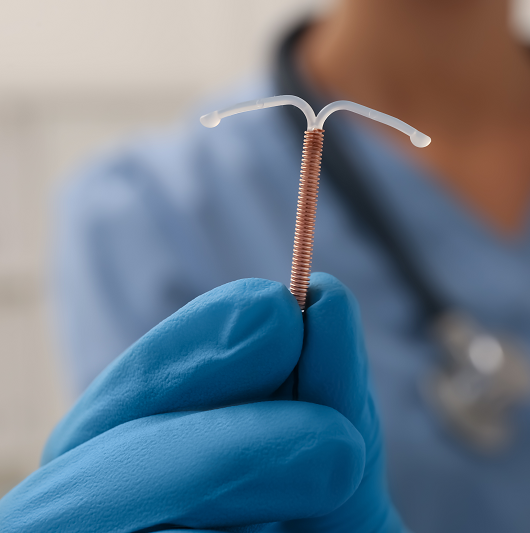
What to Expect During an IUD Placement
IUD Placement: What to Expect. Learn about the procedure from Dr. Pagano at Ocean University Medical Center. Schedule your appointment today.

Things No One Told You About Postpartum, But We Will
Your body changes drastically during pregnancy and after child birth. Here’s a closer look at what you can expect during this pivotal period.

Women and Stroke: Risk, Prevention and Treatment
Learn about stroke risk, prevention, and treatment for women. Dr. Kirmani explains key differences and offers advice. Call 800-822-8905 for care.