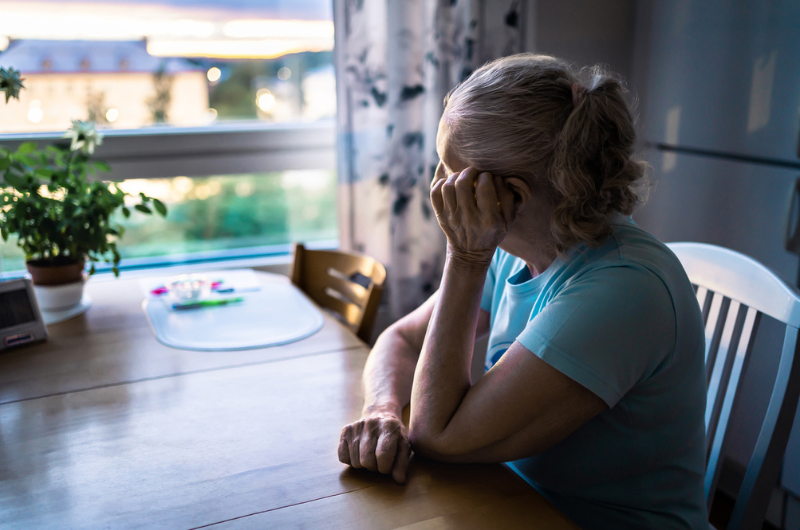
The holidays are often described as the most wonderful time of the year: a season filled with laughter, family and celebration. Yet for many people, this season can bring a different emotion: loneliness. Whether someone is grieving a loved one, living far from family or simply feeling disconnected, loneliness during the holidays is far more common than most realize.
Swapnil Patel, M.D., an internal medicine physician at Jersey Shore University Medical Center, warns that loneliness can directly impact physical health. A publication in The New England Journal of Medicine recently highlighted that loneliness and social isolation increase the risk of heart disease, depression, cognitive decline and even early death. Other research in JAMA Network Open found that people with strong social ties live longer and recover more quickly from illness than those who feel isolated.
Simply put, feeling connected to others isn’t just nice, it’s vital for our health. These connections are even more important during the holidays.
How You Can Help People Cope and Reconnect
You don’t need grand gestures to combat loneliness. Small, consistent actions make a meaningful difference. Evidence from several health studies shows that intentionally building connection, reframing negative thoughts and staying engaged with others can significantly improve well-being. Dr. Patel offers a few ways that you can make a difference:
- Reach out first: Send a text, make a call or invite someone to coffee. Even a simple “How have you been?”can mean a lot.
- Send a card or note: a handwritten card or thoughtful note can brighten someone’s day–especially if they’re feeling forgotten.
- Do something kind: Offer to run an errand, bring over a meal or just sit and chat. Kindness goes a long way.
- Listen and talk: If someone seems down, let them talk. Just being there and listening can help a lot.
- Invite them to join a group or volunteer: Whether it’s a book club, walking group or local charity, shared activities foster belonging and give purpose to the season.
- Start new traditions: If old traditions bring up sadness, make new ones. Host a movie night, cook a favorite meal with friends or take a holiday light walk.
- Encourage a break from social media: Remember, online highlights don’t tell the whole story. Real connection happens in person, through genuine interactions.
- Suggest more support: If they can benefit from outside help, encourage them to talk to a counselor or join a support group.
Why Loneliness Affects Health
Loneliness is more than being alone; it’s the feeling of being unseen or disconnected, even when surrounded by others. Over time, that emotional pain can take a physical toll. Dr. Patel notes that people who feel lonely often experience higher stress levels, poor sleep and weaker immune function. Studies also show that loneliness can increase inflammation, raise blood pressure and make chronic conditions harder to manage.
Experts now consider loneliness as harmful to health as smoking or obesity. Connection is powerful. Human connection can calm stress hormones, strengthen the heart and improve mood. When that connection is missing, the body feels it.
The Healing Power of Connection
The good news is that connection heals. Dr. Patel explains that spending time with loved ones, sharing a laugh or even having a meaningful conversation can boost mental well-being and physical resilience. People with strong social networks tend to be happier, healthier and more likely to live longer.
Connection also helps buffer life’s stressors by giving us a sense of belonging and purpose, especially during the holidays. Whether it’s checking in on a friend, joining a community event or volunteering, small moments of togetherness add up in powerful ways.
Who Might Feel Lonely During the Holidays?
Loneliness can affect anyone. While older adults may struggle after the loss of a spouse or when living alone, young adults navigating transitions like college or new jobs can also feel disconnected, even in busy social settings. People with chronic illnesses, those far from family or anyone experiencing life changes such as divorce or relocation are particularly vulnerable.
Recognizing these feelings isn’t a sign of weakness, Dr. Patel says, but rather an important step toward healing. The more we talk openly about loneliness, the more likely we are to find understanding and support.
A Season For Connection
The holidays can stir many emotions, but they also remind us of what matters most: our connections with one another. Whether through family, friends, faith or community, reaching out and showing care has the power to improve both emotional and physical health.
Loneliness is not permanent. With awareness, compassion and effort, we can make this season a time of warmth and connection for everyone.
Next Steps and Resources:
- Meet our clinical contributor: Swapnil Patel, M.D.
- To make an appointment, call 800-822-8905 or find a doctor near you here.
Find a doctor near me

Tips for Celebrating the Holidays with Someone with Dementia

Stress & Eating Habits: How to Manage
Prolonged Grief Disorder: What it Is and How to Know the Signs