

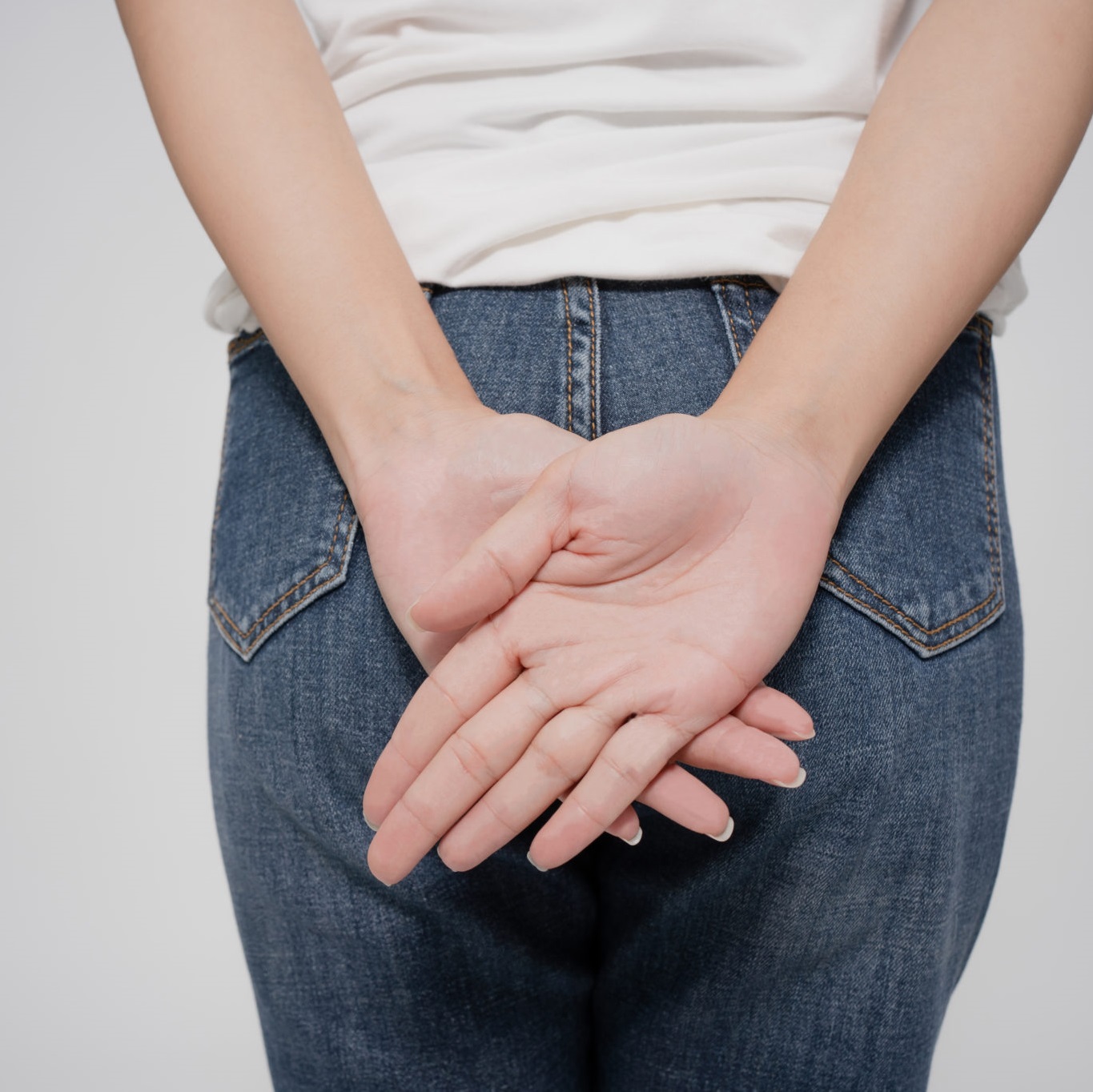
Hemorrhoids are uncomfortable, they’re unattractive, they bleed and they make going to the bathroom a challenge. They’re also very common. In fact, about half of people have had hemorrhoids by the time they reach 50 years old.
What is a hemorrhoid?
“A hemorrhoid is essentially an engorged or swollen blood vessel,” says Sameet Shah, D.O., a gastroenterologist at Mountainside Medical Group.
Hemorrhoids can be inside or outside your body. You can see external hemorrhoids, and they tend to hurt. While you can’t see internal hemorrhoids, you may notice bleeding during a bowel movement.
The most common cause of hemorrhoids is constipation or straining during a bowel movement. Women are prone to hemorrhoids during pregnancy and after giving birth because of increased pressure on the pelvic floor and hormonal changes that can lead to constipation. Children and adolescents can also get hemorrhoids.
At-home Hemorrhoid Remedies
“I tell my patients that the most important thing they can do for a hemorrhoid is to let it heal by not straining when having a bowel movement and avoiding constipation,” says Dr. Shah. Straining increases pressure and prevents the hemorrhoid from shrinking.
To deal with the underlying problem of constipation and straining, Kulvir S. Nandra, M.D., a colorectal surgeon at Mountainside, offers a few tips:
- Eat foods high in fiber, such as bananas, pears, strawberries, avocados, carrots, beets, broccoli, spinach, legumes, lentils, oats, nuts, seeds and sweet potatoes.
- Increase your water intake.
- Consider taking an over-the-counter fiber supplement.
- Soak in a warm and shallow bath for 15 or 20 minutes.
A doctor may prescribe hydrocortisone, which can be applied directly to the hemorrhoid or as a suppository. “For most of my patients, a high-fiber diet plus warm baths and hydrocortisone works,” says Dr. Shah.
The Three Worst Things You Can Do
- Spend too much time on the toilet. “Having good bowel habits means eating a healthy diet and spending no more than five minutes on the toilet,” says Dr. Nandra.
- Over-wipe or wipe aggressively. Use plain, unscented, hypoallergenic wipes, wet wipes, cotton balls or a bidet to clean yourself.
- Not calling your doctor for a hemorrhoid could be dangerous if it is something more serious. “Any kind of rectal bleeding should be checked out by a doctor, especially if it is associated with unintended weight loss or anemia,” says Dr. Shah. “These symptoms could be a sign of something more serious. It’s important to listen to your body, and if something doesn’t feel right, it’s best to get evaluated by a medical professional,” she says.
Surgical Options
If you’ve exhausted at-home remedies and medical options and still have issues related to hemorrhoids, you may want to see a colorectal surgeon. Many procedures, such as banding and sclerotherapy, can be performed in the office.
- Banding involves wrapping a small rubber band around the hemorrhoid, which causes it to shrink and fall off. “This procedure is painless, quick and done in the office,” says Dr. Nandra.
- Sclerotherapy is similar but involves a special injection that cuts off the blood supply to the hemorrhoid, which causes it to fall off.
If hemorrhoids are severe and keep coming back, several outpatient, same-day procedures are available that involve sedation similar to a colonoscopy:
- Hemorrhoid ligation, which is similar to rubber-banding but with a suture.
- Hemorrhoidectomy, which is when the hemorrhoid is cut out.
- Stapled hemorrhoidectomy, which involves using a stapler device for larger hemorrhoids.
- Transanal hemorrhoidal dearterialization (THD), which is an ultrasound-guided minimally invasive technique to target the blood supply to a hemorrhoid.
Your medical team will work with you to decide which procedure is right for you.
The Bottom Line
“The sooner we treat the issue, the sooner you will feel better,” says Dr. Nandra. It is possible to treat hemorrhoids with simpler methods, but waiting too long could lead to surgery.
Next Steps & Resources
- Meet our expert: Sameet Shah, D.O. and Kulvir S. Nandra, M.D.
- Make an appointment online with a doctor near you, or call 800-822-8905.
- Learn more about our colorectal services.
Find a doctor near me
Things No One Told You About Postpartum, But We Will
Your body changes drastically during pregnancy and after child birth. Here’s a closer look at what you can expect during this pivotal period.
What Does Colon Cancer Feel Like?
Understand colon cancer symptoms. Dr. Del Rosario explains signs like fatigue, bowel changes, and stomach pain. Schedule a screening today for peace of mind.
Am I at Risk for Colorectal Cancer? Understanding Genetic Factors and Early Detection
Worried about colorectal cancer? Learn how your genes play a role and discover early detection options, including genetic testing and screening.

Colon Cancer: Will Eating Meat Increase My Risk?
Research has shown a link between colorectal cancer and a high intake of red meat and processed meat. Our experts weigh in on what you need to know.