

Are you someone who suffers from chronic pain? Do you feel like you have exhausted all options for help? Your diet may actually be a contributing factor. Let's take a closer look at what our experts have to say about this.
“One of the best ways to reduce pain lies not in your medicine cabinet, but in your refrigerator. By following an anti-inflammatory diet, you can help fight off inflammation in your body and reduce chronic pain,” says Katlyn Cusack MS, RDN, LDN, registered dietitian at Hackensack Meridian Health.
What is an anti- inflammatory diet?
An anti-inflammatory diet focuses on staying away from specific foods that are known to increase inflammation, which can overall decrease pain and inflammation over a period of time. It usually incorporates fruits and vegetables, whole grains, nuts and seeds, and foods with omega 3 fatty acids.
What factors contribute to chronic inflammation?
- Stress
- Lack of exercise
- Genetic predisposition
- Lack of sleep
- Exposure to toxins (secondhand smoke, pollution)
- DIET
What foods should you avoid?
- Fried food
- Soda
- Red meat
- Carbohydrates such as white bread, white pasta
- Processed foods
- Foods with added sugars
- Unhealthy oils
- Dairy
- Excess alcohol
What foods should you eat?
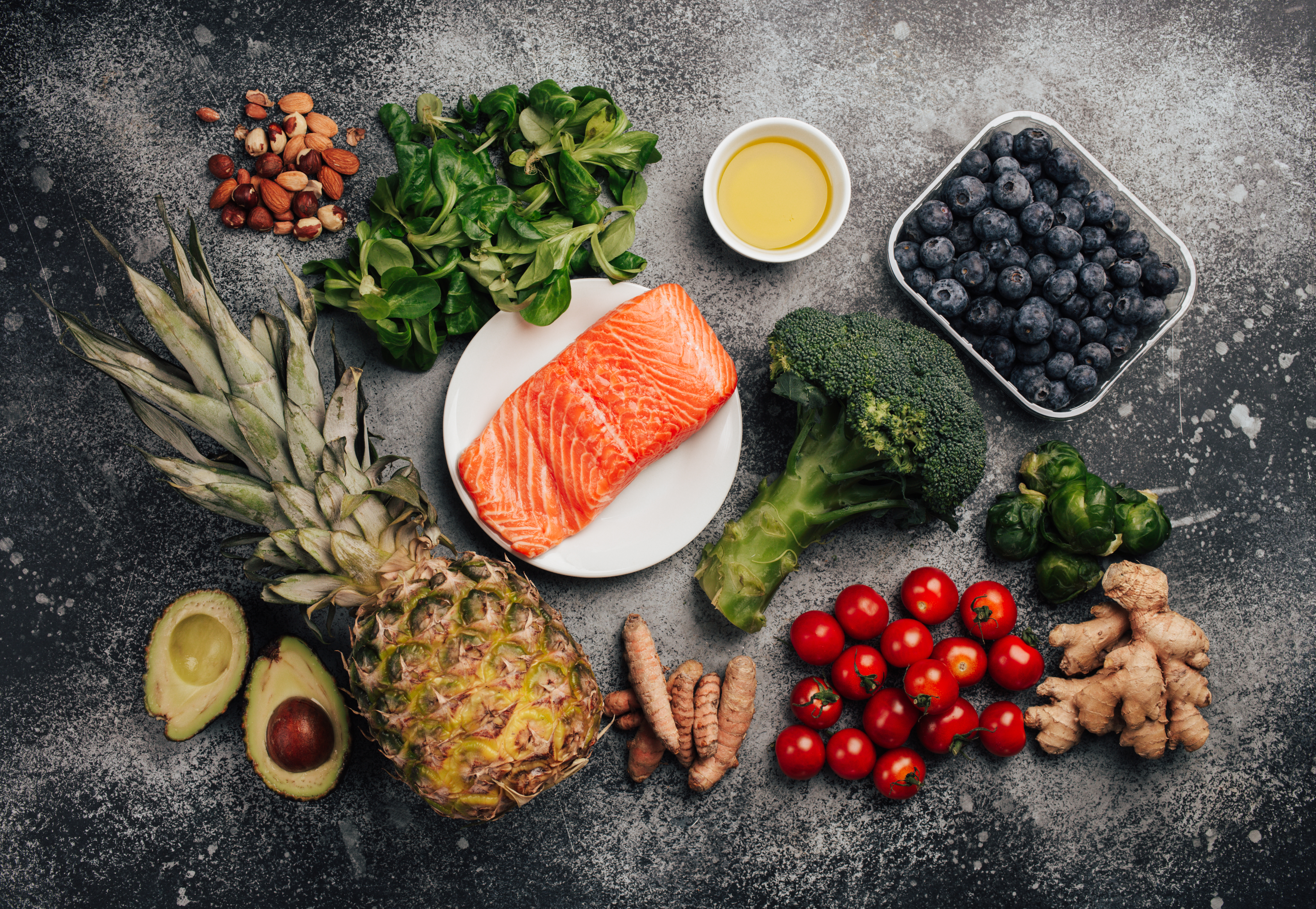
- Fruits such as blueberries, blackberries, cherries, strawberries, apples
- Green leafy vegetables like kale, spinach, broccoli
- Fatty fish like salmon and tuna
- Nuts and seeds like almonds, walnuts, pecans, flaxseeds, pumpkin and sesame seeds
- Olive and avocado oil
- Dark chocolate

How do you know if you have chronic inflammation?
Physicians often test for chronic inflammation by testing for C-reactive protein levels (CRP), which increase when the body is in an inflammatory state.
What are some benefits of an anti-inflammatory diet?
Chronic inflammation is linked to cancer, heart diseases, diabetes, arthritis, fibromyalgia, GERD and even depression. When chronic inflammation becomes a serious problem, it stops your body from working as well as it could, and it may also contribute to other problems down the line.
“You don't have to suddenly switch to a new eating style, starting small, focusing on one behavior and food change at a time will make this diet become part of your lifestyle,” says Katlyn Cusack.
Next Steps & Resources:
- To make an appointment with our dietitian Katlyn, or a dietitian near you, call 800-822-8905 or visit our website.
- Learn about nutritional counseling at Hackensack Meridian Health.
Find a doctor near me

Can You Get Diabetes from Eating Too Much Sugar?
Learn about diabetes from Dr. Dixit. Understand its causes and how to lower your risk at Pascack Valley Medical Center. Call 800-822-8905.
5 Superfoods for Heart Health
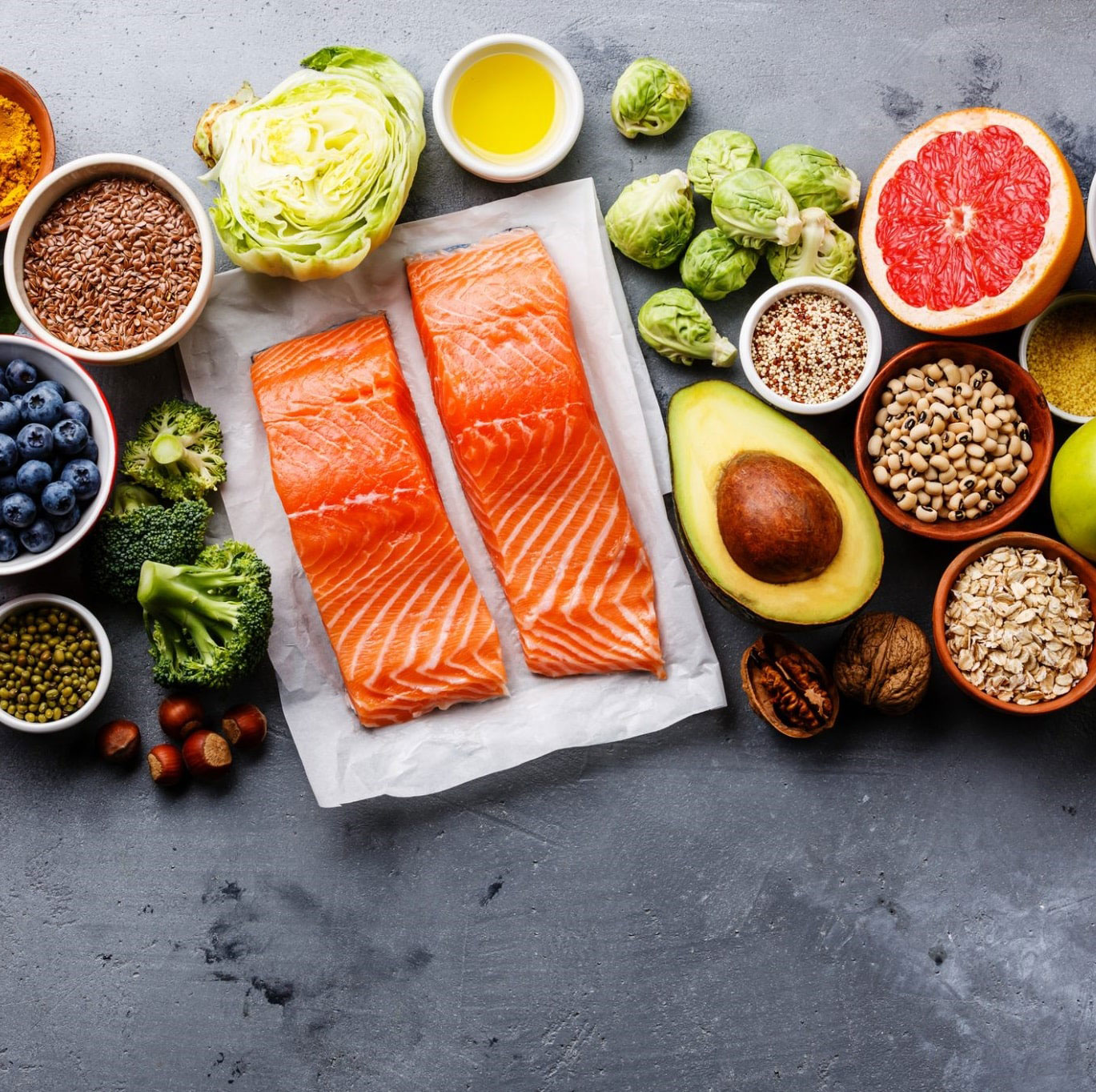
Boost your heart health! Discover 5 superfoods for better circulation and reduced inflammation. Learn more today.

How to Stay Healthy When Stuck At Home
Stay healthy at home. Learn simple tips for exercise, nutrition, and mental well-being. Improve your home life now.