

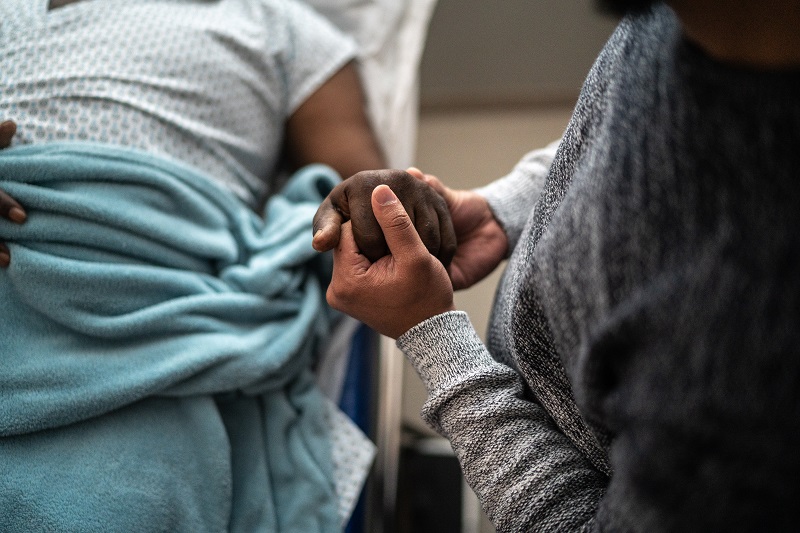
When an older adult in your family is scheduled for surgery, your loved one may benefit from your support beforehand, the day of, and after the procedure.
“It’s great if you’re able to help someone rehab after surgery, but you should also consider helping them ‘prehab’ before surgery, so that they’re in the best shape possible going into the procedure,” says Howard Ross, M.D., surgeon-in-chief, Hackensack University Medical Center.
Here are things that you can do to help an older adult before and after surgery:
Before your loved one has surgery
Your presence and willingness to help may be comforting to an older adult who is preparing to undergo surgery. Here’s what you can do in the days or weeks leading up to the procedure:
- Encourage your loved one to eat a healthy diet, as recommended by the doctor.
- Help your loved one exercise regularly before the procedure. Volunteer to go on daily walks with them, to keep them motivated.
- Suggest that they practice yoga, meditation, deep breathing exercises or other activities that may help them lower their stress levels.
- Prepare your loved one’s home for their post-surgical arrival. Stock the fridge and pantry with healthy options that are quick and easy to prepare. Eliminate clutter that they may trip over when they get home from the hospital. Ask the doctor if you should have anything else at home waiting for your loved one.
The day of your loved one’s surgery
Make yourself available however you can. If your loved one will be admitted to the hospital immediately after surgery, here are some tips on how to help before they are discharged:
- Take time off from work so that you can accompany your loved one to the hospital.
- Provide transportation to and from the hospital.
- Make yourself available to the surgeons or nursing staff, if applicable.
- After the procedure, learn how to change surgical dressings, so that you can help at home.
- Pick up any medications that the doctor prescribes.
- Help your loved one into bed or a comfortable chair, depending on the doctor’s guidance.
- Assist your loved one with any immediate post-operative care that they’ll need at home.
- Offer food and beverages that the doctor has said are acceptable for your loved one to consume.
After your loved one has surgery
Once your loved one returns home, keep them company and offer them help so they stay on track with their recovery. Your presence may encourage them to improve physically and mentally.
- Offer food and drinks at regular intervals to make sure that they eat and stay hydrated.
- Keep tabs on their recovery, and call the doctor if anything seems wrong (like a fever or a wound that bleeds through the stitches).
- If you’re unable to stay with your loved one for prolonged periods, arrange for in-home care.
- Bring your loved one to follow-up appointments so that the doctor can assess their recovery.
- Be available to listen, if your loved one wants to talk about the ways that they are coping with recovery or the daily struggles that they’re facing as they heal.
Next Steps & Resources:
- Meet our source: Howard Ross, M.D.
- To make an appointment with Dr. Ross, or a doctor near you, call 800-822-8905 or visit our website.
Find a doctor near me

Are Cortisone Shots Bad for You?
Learn about cortisone shots from Dr. Swan. Understand benefits, risks, and if they're right for you. Find relief from pain.

How to Help Prevent Falls for Seniors
Prevent senior falls. Learn simple steps to improve safety at home and reduce fall risk. Bayshore Medical Center offers expert advice and rehabilitation.

Does Blue-Light Therapy Work for Varicose Veins?
Blue-light therapy for varicose veins? Learn about its effectiveness from Dr. Habib Khan and explore better treatment options. Call 800-822-8905.
Can You Prevent Osteoarthritis?
Prevent Osteoarthritis? Learn how to reduce your risk and manage symptoms with expert advice from Dr. Randolph Sanchez. Call 800-822-8905.