


It’s normal for toddlers and preschoolers to turn their noses up at new foods. But you may worry that your picky eater won’t grow or develop as expected.
Don’t fret if your child refuses to eat vegetables or sometimes skips dinner.
“We consider what children eat over the course of a week, not just one meal,” says pediatrician, Amy Peardon, D.O. “If they don’t eat what you serve at every meal, that’s okay.”
There are ways to encourage your picky eater to expand the foods that they’ll eat. Try these ideas:
Before Meals
These planning strategies may help your picky child eat more at mealtimes:
- Help them feel invested in veggies. Plant a garden with your child and have them tend the vegetables. Or bring them to the supermarket to select good-looking produce.
- Choose meals together. Give your child two choices for dinner, then prepare their choice together. Let your child chop or stir food, so they feel invested in the meal.
- Allow them to feel hungry. Do you offer your child a snack if they’re hungry an hour before dinner? Let them cope with stomach grumbles; they’ll be more likely to eat their meal.
- Discourage beverages between meals. Allow milk or juice at mealtimes but not in between; offer water instead. They may fill up on milk or juice before meals.
During Meals
Be consistent with what you serve, so that your child knows what to expect:
- Create balanced meals. Offer small servings of two or three healthy foods per meal. Include something they like and something they haven’t tried before.
- Set a good example. Let your child see you eat well-balanced meals, including fruits and vegetables. Eat the foods that you serve your child, and comment about how tasty they are.
- Don’t offer replacement meals. If they don’t like what you serve, don’t make them something else. It encourages picky eating, and they won’t starve if they skip one meal.
- Have meals at consistent times. Serve breakfast, lunch, dinner and snacks at the same times daily. Your child will know when they can eat next if they don’t finish their meal.
- Avoid power struggles. Try not to raise your voice, and don’t force your child to eat certain foods or finish what’s on their plate.
- Keep screens out of mealtimes. Ban TVs, tablets and phones from mealtimes, so your child avoids distractions. Eat meals as a family whenever possible, with fun conversations, so meals are enjoyable.
- Dessert shouldn’t be a reward. Promising ice cream after someone eats broccoli gives veggies a bad name. If your child wants rewards, offer trips to the playground or screen time, not food.
Habits to Continue
Your child may be more likely to try new foods if you:
- Continue offering food they don’t like. They may need to be exposed between 6 and 15 times before changing their minds.
- Offer the same food prepared in different ways: Roasted, raw or shredded carrots, for example.
- Make food more exciting. Cut vegetables into fun shapes, arrange them into a smiley face or serve dip.
When to Seek Help
Most picky eaters consume enough to promote healthy development. If you’re concerned about your child’s habits, talk to the pediatrician if:
- Your child isn’t gaining weight and has low energy
- Your child won’t eat foods they ate in the past
- Your child stops eating whole categories of foods because of one negative experience
Next Steps & Resources:
- Meet our source: Amy Peardon, D.O.
- To make an appointment with Dr. Peardon, or a pediatrician near you, call 800-822-8905 or visit our website.
Find a doctor near me

ER vs. Urgent Care vs. Pediatrician
When your child gets sick, it can be hard to know - should you go to the emergency room (ER), urgent care or pediatrician?

How to Help Kids Cope With Traumatic Events
Help kids cope with trauma. Learn expert advice from Dr. Kaczka-Weiss at Jersey Shore University Medical Center. Get support and resources now.

Common Rashes in Kids & What to Do
Common kid rashes? Dr. Farook explains treatment options and when to seek care. Learn more and schedule an appointment today.
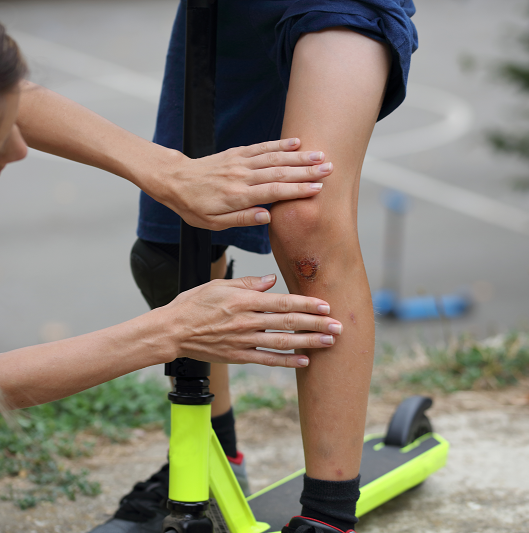
Spotting Infection: How to Tell if a Cut is Infected
It’s important to know the difference between a cut that just needs time to heal and one that has developed an infection. Here are the signs of infection: