

Despite what we might read in a pop-up online ad or see in a video in our social media feed, we can’t simply take a pill or get a shot and watch the pounds quickly “fall off.” But newer prescription medications can help the estimated 42 percent of adults and 20 percent of children in America who are obese.
Hans J. Schmidt, M.D., chief of Bariatric Surgery at Hackensack University Medical Center, provides nine things you need to know about weight-loss medications.
- Weight-loss Medications Are Not Suitable for Everyone
Weight-loss medications are best suited for people:
- With a body mass index, or BMI, over 27
- Who can’t lose weight with diet and exercise, special programs or structured meetings
“We wouldn’t normally put a person who wanted to lose just 10 pounds on meds,” Dr. Schmidt says. “These measures are typically taken when someone needs to lose a significant amount of weight, and other strategies have not been successful.”
- Most Medications Work by Making You Feel Full
The Food and Drug Administration (FDA) has approved medications for long-term use to treat obesity. Most of these work by making you feel less hungry or more full. “They mimic a gastrointestinal hormone your body produces after eating a full meal,” Dr. Schmidt says. “They reduce hunger, and change your insulin response, which causes you to stop eating.”
- Some Weight-loss Medications Are Diabetes Medications
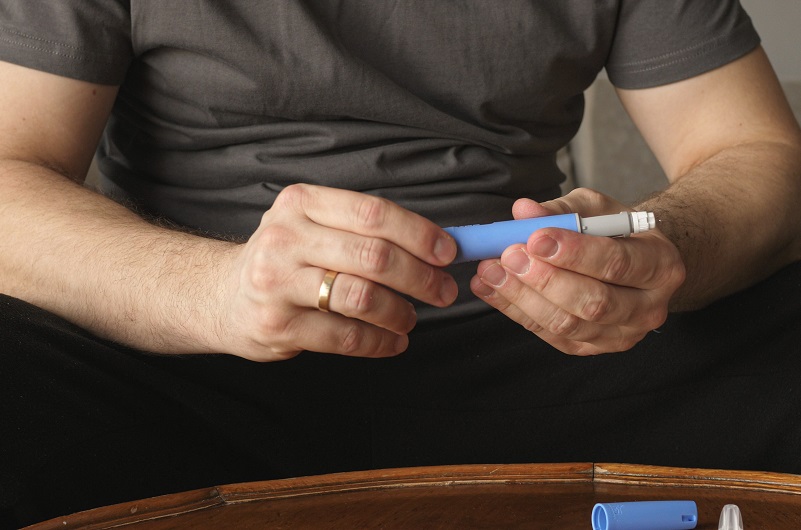
One type of FDA-approved medication, an injectable drug called semaglutide (Ozempic), first received federal approval in 2017 for treatment of type 2 diabetes. In 2021, the FDA approved a different type of semaglutide (Wegovy) to treat overweight patients for their weight alone. “These two medications are the same drug but given in different doses,” says Dr. Schmidt.
- Weight-loss Medication Isn’t a “Quick Fix”
When prescribed, they work in conjunction with a reduced-calorie diet and increased physical activity.
- Weight-loss Drugs Can Be Expensive
Many insurance companies don’t cover them and claim their use is “cosmetic” and not medically necessary, Dr. Schmidt says. One month’s supply may cost more than $1,000.
- Weight-loss Medication May Help Prevent Surgery
Sometimes, weight-loss medication, when combined with diet and exercise, can help a patient avoid bariatric surgery, Dr. Schmidt says.
- Medication May Be Needed for the Long Term
Obesity is a chronic disease, and some people may need to stay on medication to prevent gaining weight back, Dr. Schmidt says.
- Certain People Should Not Take Weight-loss Medication
Weight-loss medication should not be prescribed to people who have had, or have a family history of, medullary thyroid cancer, Dr. Schmidt says. Anyone with the rare condition multiple endocrine neoplasia, which affects the body’s hormone producing glands, also is not a candidate. It’s also not for those allergic to the medications.
- Be Aware of Potential Side Effects
Many patients stop taking the medications because of side effects. The FDA cautions patients to be aware of more common side effects:
- Gastrointestinal symptoms such as nausea or vomiting, diarrhea and constipation
- Headaches
- Fatigue
- Dizziness
Dr. Schmidt hopes anyone considering weight-loss medications will consult a trusted doctor for diagnosis and appropriate treatment, and not go it alone on the internet.
“For many patients, we can initially prescribe weight-loss medication instead of surgery,” he says. “In the future, we expect even more advances and development of these drugs, including effective combination medications that might need to be injected less frequently.”
Next Steps & Resources:
- Meet our source: Hans J. Schmidt, M.D.
- Make an appointment online with a bariatric surgeon near you, or call 800-822-8905.
- Attend a weight-loss seminar near you.
Find a doctor near me

What Are the Rules of Intermittent Fasting?
Learn intermittent fasting rules from Dr. Nangeroni. Discover different fasting schedules and tips for weight management. Call 800-822-8905 to schedule an appointment.

How You Can Eat Carbs and Still Lose Weight
Eat carbs & still lose weight? Dr. Varghese shares expert tips for healthy eating. Learn how to make better food choices and improve your health. Call 800-822-8905.

How to Support Your Child's Mental Health
Support your child's mental health. Learn practical tips from Dr. Vieux at Hackensack University Medical Center. Get resources and support now.

3 Things to Stop Saying To Your Child
Avoid harmful phrases to children. Dr. Vieux offers guidance on building trust and improving communication. Learn tips for better parenting. Call 800-822-8905.