


If you’ve been told you have high cholesterol, your first instinct might be to overhaul your diet — swapping eggs for oatmeal, butter for olive oil, and red meat for fish. While healthy eating is important, cardiologist Renato Apolito, M.D. says the truth about cholesterol is a little more complicated than the notion “you are what you eat.”
Many people are surprised to learn that most of the cholesterol in your blood is actually made by your liver, not directly from the food you eat. That’s why diet alone isn’t always enough to bring levels into a healthy range.
“Diet contributes to cholesterol in the range of about 30 percent, so if your cholesterol is extremely high, diet alone will unlikely be a good solution,” says Dr. Apolito.
So if cholesterol isn’t only about diet, what else matters? Dr. Apolito breaks down the real factors that affect cholesterol — and how to make smart, heart-healthy choices starting today.
Myth #1: High Cholesterol Means Your Diet is Poor
The truth: Your genes play a big role in your cholesterol levels.
While diet does influence cholesterol, heredity can have a much bigger impact than most people realize. If high cholesterol runs in your family, your body may naturally produce more LDL – the ‘bad’ cholesterol – even if you eat a balanced diet. That’s why some people can follow all the rules and still see high numbers.
This condition, called familial hypercholesterolemia, often requires medication alongside lifestyle changes to protect heart health.
Myth #2: Cutting Out All Cholesterol-Rich Foods Will Fix the Problem
The truth: Foods high in cholesterol (such as eggs or shrimp) aren’t the biggest offenders.
In fact, dietary cholesterol doesn’t raise blood cholesterol as much as foods high in saturated and trans fats do. That’s why fried foods, fatty cuts of red meat, processed meats and certain baked goods can be more damaging than an egg at breakfast.
“I believe that eating seasonal, fresh high-quality ingredients, specifically a vegetable-based diet coupled with lean protein, is important,” Dr. Apolito says.
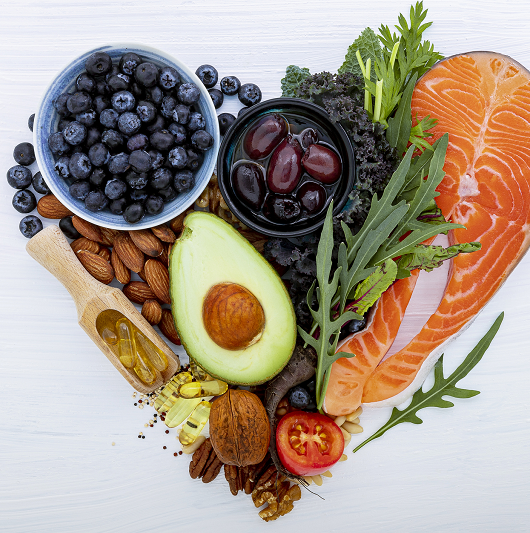
Focus on reducing foods with unhealthy fats and replacing them with heart-healthy fats – such as those in fish, nuts, and olive oil.
Myth #3: If You Eat Well, You Won’t Need Medication
The truth: Lifestyle changes are powerful, but sometimes they’re not enough.
For some people – especially those with a strong genetic predisposition – cholesterol-lowering medication like statins may be the safest way to lower heart disease risk.
“You may need to use diet, exercise and medication to reduce your risk and achieve an appropriate cholesterol level,” says Dr. Apolito.
Diet and exercise are still critical for overall health, but they can’t always overcome your body’s natural cholesterol production.
What You Can Do: Follow These Heart-Healthy Food Guidelines
You can’t change your genes, but you can make choices that support healthy cholesterol levels and overall heart health. Dr. Apolito recommends:
Fill Half Your Plate With Plants
Leafy greens, colorful vegetables, and fruit are rich in fiber, which helps lower LDL cholesterol. Aim for a variety – spinach, broccoli, berries, carrots – and remember, “the greener, the better,” says Dr. Apolito.
Choose Lean Proteins
Opt for skinless poultry, fish, beans and lentils. Fish rich in omega-3 fatty acids – such as salmon, mackerel and sardines – are especially heart-friendly.
Swap Unhealthy Fats for Healthy Ones
Replace butter, shortening or lard with olive oil, avocado and nuts. Also, limit processed snacks and fried foods.
Go Whole Grain
Brown rice, whole wheat bread, oats and quinoa provide more fiber than refined grains and can help lower cholesterol.
Watch Portion Sizes
Even healthy foods can add up in calories, which may contribute to weight gain — another cholesterol risk factor.
Other Factors That Affect Cholesterol
Besides diet and genetics, cholesterol levels can be influenced by:
- Medical conditions: Diabetes, hypothyroidism and certain liver or kidney diseases can raise cholesterol.
- Physical activity: Regular exercise raises HDL (“good” cholesterol) and lowers LDL.
- Smoking: Smoking lowers HDL cholesterol and damages blood vessels.
- Weight: Maintaining a healthy weight can improve cholesterol balance.
Final Takeaway
Lowering cholesterol isn’t just about skipping fried foods or eating oatmeal every morning. Genetics, lifestyle and other health conditions all play a role.
The key is to focus on what you can control – your diet, exercise and habits – while working with your doctor to monitor your numbers. Sometimes that means lifestyle changes, sometimes medication, and often a combination of both.
If you’ve been diagnosed with high cholesterol or are concerned about your heart health, make an appointment with your primary care provider or cardiologist. Together, you can create a personalized plan to protect your heart for years to come.
Next Steps & Resources
- Meet our experts: Renato Apolito, M.D.
- Make an appointment online with a doctor near you, or call 800-822-8905.
- Learn more about our heart care services.
Find a doctor near me
Quiz: Are you Making Heart-Healthy Food Choices?
Take this quiz to assess your heart-healthy food choices. Learn more about improving your heart health and find a cardiologist. Call 800-822-8905.

Artery Disease: Signs and Symptoms
Learn nonsurgical artery disease treatments. Dr. Jain explains options & risk factors. Improve your heart health. Call 800-822-8905.
6 Signs of an Unhealthy Heart
Recognize 6 unhealthy heart signs? Learn from cardiologists Khanna & Negusei. Get heart care screenings & appointments. Call 800-822-8905.
Reasons Why You Might Need A Stent In Your Heart
Learn why you might need a heart stent. Dr. Patel explains coronary artery disease, stents, and when to see a doctor. Call 800-822-8905 for an appointment.