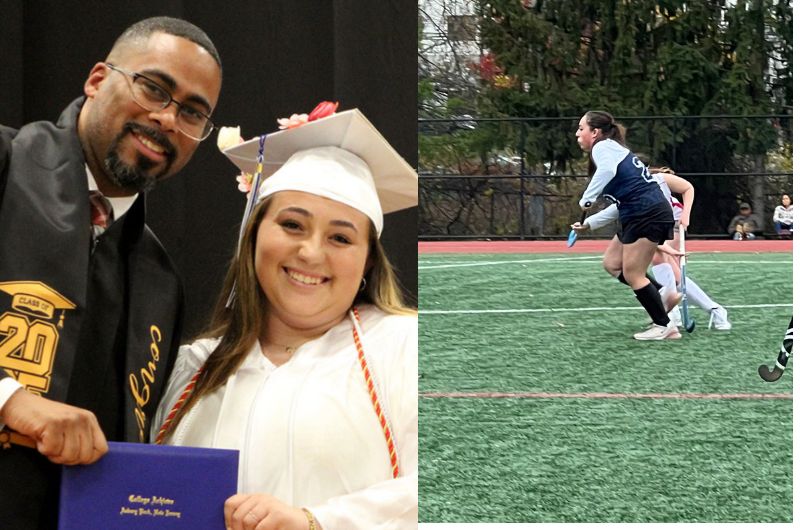
Isabella, also known as “Bella”, struggled to keep her weight under control for much of her life. The 18-year-old Jersey Shore native says she was an active kid. She danced, played basketball and field hockey. However, regardless of what she tried, she couldn’t maintain a healthy weight.
“I tried everything, but every time I went back to my pediatrician, she was still concerned about my health,” says Bella.
Eventually, her weight began to impact her mental health. “I didn’t feel comfortable going out with friends or in the clothes I was wearing. I just wasn’t comfortable in my own skin,” she says.
When she was in high school, Bella’s pediatrician recommended she see a weight loss specialist. She saw Dena Arumugam, M.D., a gastroenterologist and bariatric surgeon at Jersey Shore University Medical Center, who Bella describes as warm and welcoming. Together, they began to form a plan to help Bella lose weight for good.
Limited Success with Weight Loss Medication
Since Bella wasn’t having much success losing weight herself, Dr. Arumugam recommended she try an oral medication and meet with a nutritionist. While the medication curbed Bella’s hunger, she didn't lose weight and suffered from side effects such as dizziness and nausea.
Next, Dr. Arumugam suggested Bella try a GLP-1 medication, such as Wegovy. GLP-1s are injectable medications that work by mimicking the natural hormone GLP-1, which helps decrease hunger and control blood sugar levels.
During the first month that Bella was on Weogovy, she lost almost 10 pounds. However, after that first month, she struggled to lose more weight. “Even after we increased the dosage, nothing worked. Finally, Dr. Arumugam asked if I had ever considered surgery. At that point, I was willing to try anything because I was really unhappy,” says Bella.
To be a candidate for bariatric surgery, adolescents should have a body mass index (BMI) of over 40, or 35 with weight-related health issues and have tried and failed to lose weight through conservative means. Young people also need to demonstrate they have the emotional maturity to handle the procedure and commitment to follow through with the pre- and post-surgical program.
“Bella was an ideal candidate for bariatric surgery. She had already tried to lose weight through diet, exercise modification, counseling with primary pediatricians, and medication. In situations like hers, surgery is considered a final option if all other treatments fail,” says Dr. Arumugam.
The Path to Surgery
Dr. Arumugam recommended a type of bariatric surgery called sleeve gastrectomy. During the procedure, surgeons remove part of the stomach, which reduces hunger and leads to permanent weight loss. This is the most common weight loss surgery for adolescents.
“The sleeve gastrectomy is generally a very safe and effective option for weight loss. The goal with weight loss surgery is to decrease weight to a healthier range, which also improves your overall health. It does take lifelong change and discipline in order to lose adequate weight and maintain that weight loss,” says Dr. Arumugam.
Although Bella was more than ready for her surgery, she still had several steps to complete. She underwent an evaluation to ensure she was emotionally prepared for the procedure, and then she worked with a nutritionist to prepare her to follow a healthy post-surgery diet.
Her final step was the all-liquid diet the week before surgery. “The liquid diet was the hardest part. It’s a mental game, but I was determined to do it,” she says.
Bella had her surgery on July 8, 2025. By then, she had lost nearly 60 pounds following the nutritionist's advice. The surgery went smoothly, but Bella admits the first few weeks were difficult.
“It was weird because everyone else in my house was eating normally, and I was stuck drinking one ounce of liquid every hour for the first two weeks. But, I was super motivated to make sure the surgery worked,” says Bella.
Seeing Results
Bella says life got easier as she recovered. She gradually adapted to a new way of eating. Because there was less room in her stomach, she had to eat smaller portions and more protein. For the first time, she also saw dramatic results.
“I was a triple XL before surgery. And now, I fit into large and medium clothes. When I was able to fit into a medium field hockey uniform, I was ready to cry,” says Bella.
Bella also says she feels healthier. She can stay on the field longer during field hockey games, keep up with her friends and doesn’t get winded walking up stairs. She says she is grateful to everyone on her medical team for helping her dreams come true.
“Everyone was team Bella and worked so hard to make this happen. My physician assistant inspired me to pursue a career as a physician assistant myself,” she says.
Bella says she has no regrets about the surgery and would make the same decision again if necessary. “The surgery helped me find new confidence in myself. I kind of got my spark back and feel better about myself,” she says.
Next Steps & Resources
- Meet our expert: Dena G. Arumugam
- To make an appointment with Dr. Arumugum or a bariatric surgeon near you, call 800-822-8905 or visit our pediatric weight management page for more information.
Bariatric Surgery Allows Waretown Woman to Play With Her Kids Again
Bariatric Surgery Patient Gives Back to Future Patients
Top 3 Myths About Weight-Loss Surgery—Debunked!