
Newsletters
November 2025 Newsletter - Latest News, Updates, & Stories
As Long as You’re Breathing
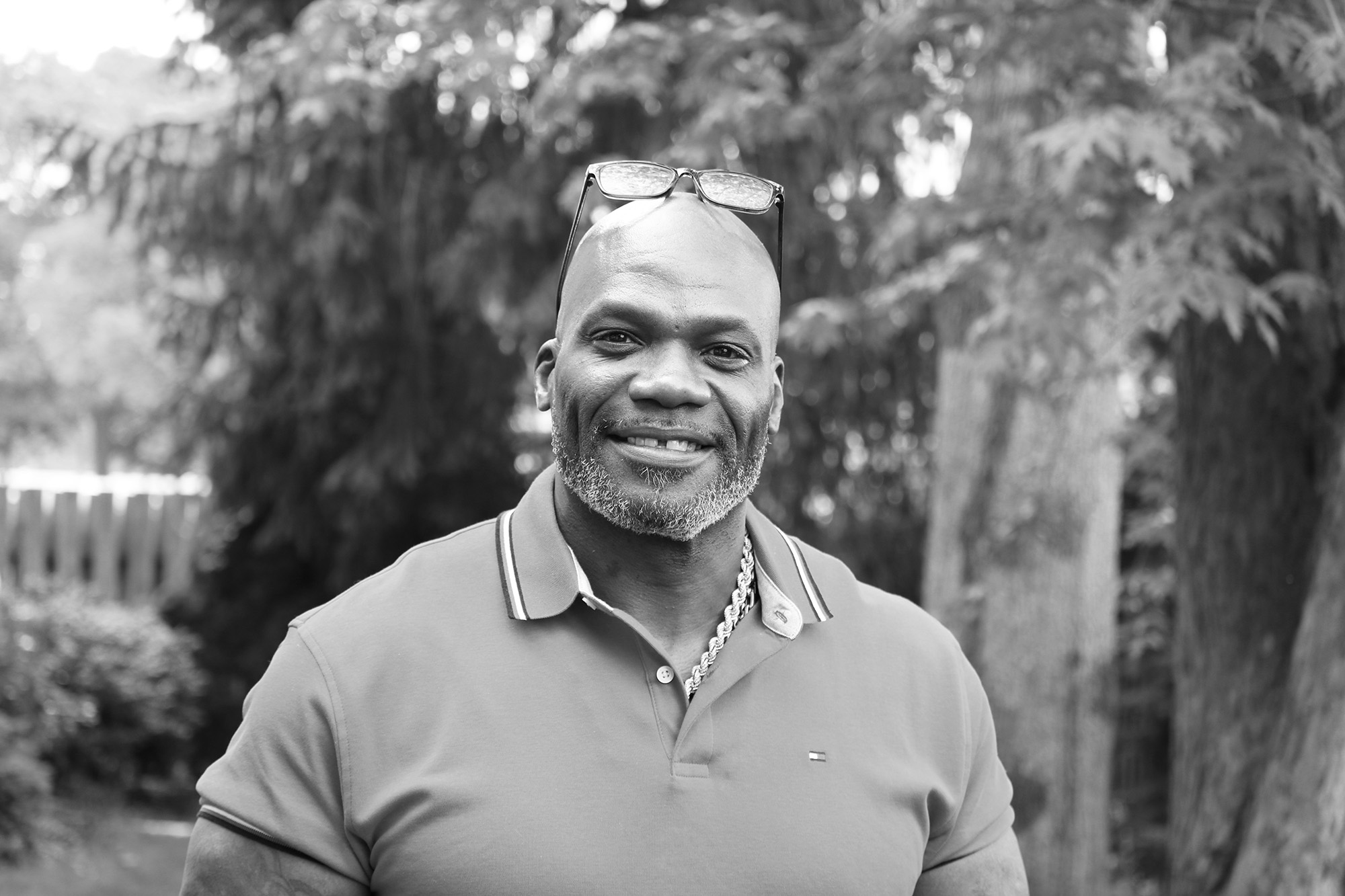
When you meet Luther Weathers, you would never guess the life he has lived. Calm, thoughtful, and grounded, Luther speaks with a quiet humility that only comes from surviving what most people could not imagine. His story is one of transformation, from surviving childhood abuse and decades of addiction to finding hope, stability, and purpose.
Born in Trenton, New Jersey, Luther’s earliest memories were marked by trauma. His mother, who faced abuse and mental health challenges of her own, was forced to send him into foster care shortly after his birth. “It was the picture-perfect family on the outside,” he said. “Big house, church on Sundays. But inside, it was a house of horror.”
By seven years old, Luther had witnessed the death of another foster child and endured years of physical and sexual abuse. “I spoke up,” he said softly. “But nothing happened.” Eventually, he began running away, not out of rebellion but survival. “I’d be gone for weeks at a time, stealing food, sleeping wherever I could.”
At twelve, Luther was returned to his mother, but the pain followed him. Distrustful of others and hardened by years of neglect, he turned to the streets. By his mid-teens, he was caught in a cycle of petty theft and addiction. “I was just trying to survive,” he said. “When you don’t trust anybody, you find your own way to get by.”
Over time, those choices led him down darker roads. Despite flashes of success in bodybuilding, jobs, and relationships, addiction was never far behind. He spent years in and out of prison, struggling to find his footing. “I kept thinking if I moved somewhere new or found the right person, it would all change,” he said. “But I was running from myself.”
Even as his health declined, Luther’s spirit refused to quit. “I had dimmed the light on what I thought was possible,” he admitted. “But something in me still wanted to live.”
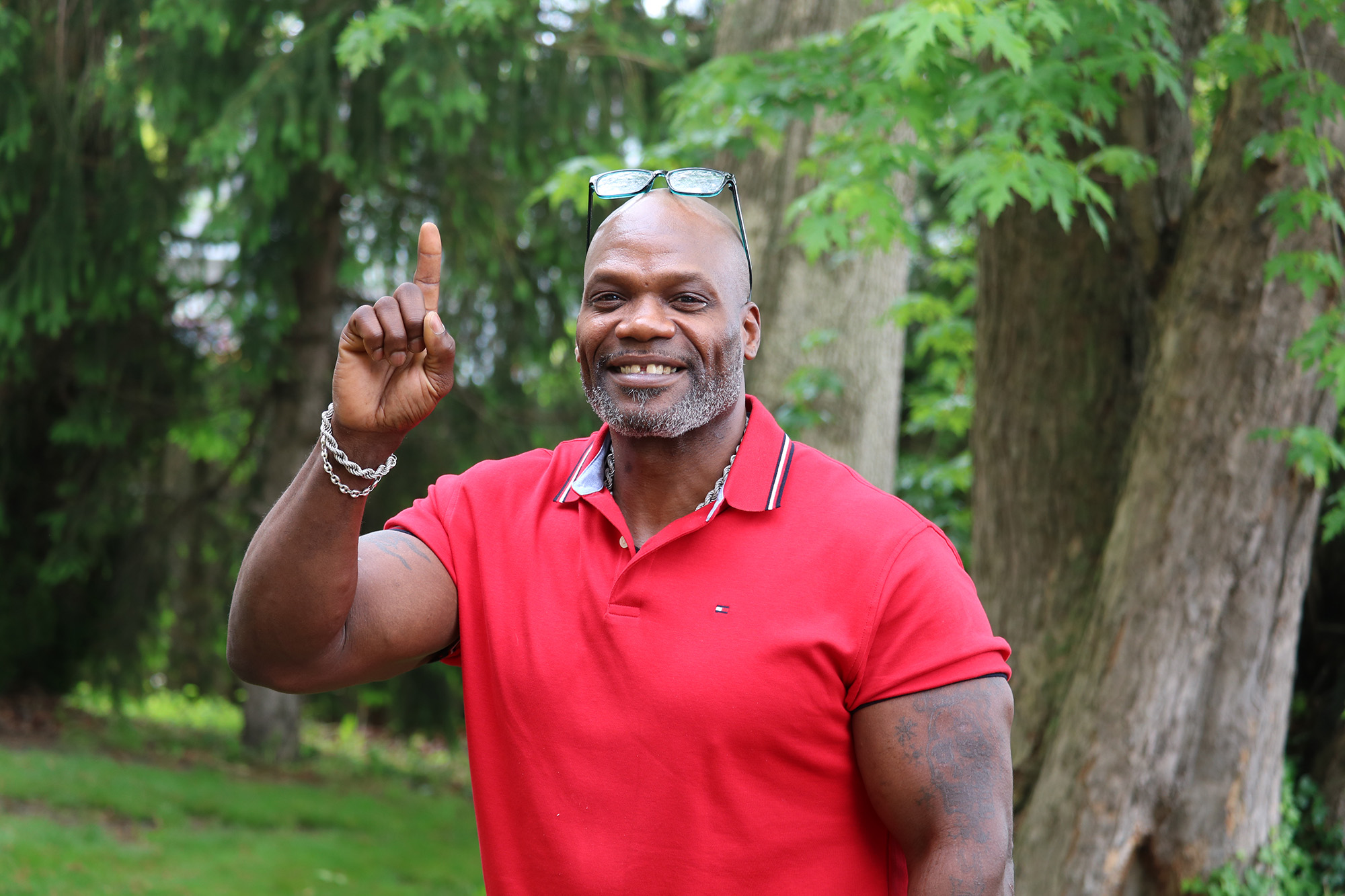
That moment came when he was offered a chance to enter Recovery Court and treatment instead of more prison time. “I figured, I’ve tried everything else, let me try doing the right thing.” Inside the program, something shifted. “It wasn’t just about staying clean. It was about learning who I was,” he said. “They made me face things I had been running from my whole life.”
Through hard work, reflection, and discipline, Luther rebuilt himself piece by piece. He earned his GED, graduated from college with a degree in Exercise Science, and began leading others through motivational speeches. “I learned that surviving isn’t living,” he said. “You’ve got to live on purpose.”
Still, even after recovery, the emotional scars lingered. “I knew I needed more help, not just with addiction but with my mind,” he said. That is when he found Project HEAL. Through counseling with Krista Peoples, he has continued his healing journey and developed tools to process the trauma that shaped him.
“Luther has done the work,” said Krista, Project HEAL’s Clinical Therapist. “He’s the Michael Jordan of staying the course. Everything he has achieved was already within him. He just needed the space and guidance to bring it forward.”
Now, Luther is working for Neptune Township’s Public Works Department, engaged to be married, and focused on helping others find hope. “I try to stay connected,” he said. “If I can talk to someone who’s struggling and tell them there’s another way, maybe it keeps them alive another day.”
He credits Project HEAL for helping him stay grounded. “Krista gave me tools, like breathing, meditation, and stopping to remind myself that this isn’t then,” he said. “That helps me every day.”
Reflecting on his past, Luther’s voice steadies. “If you’re still breathing, you can change,” he said. “It’s not about being perfect, it’s about being honest, one day at a time. Nothing changes if nothing changes. But if you believe in where you’re going and take that first step, you can make it.”
Community Spotlight: Frankie and the Heart of Blackbird
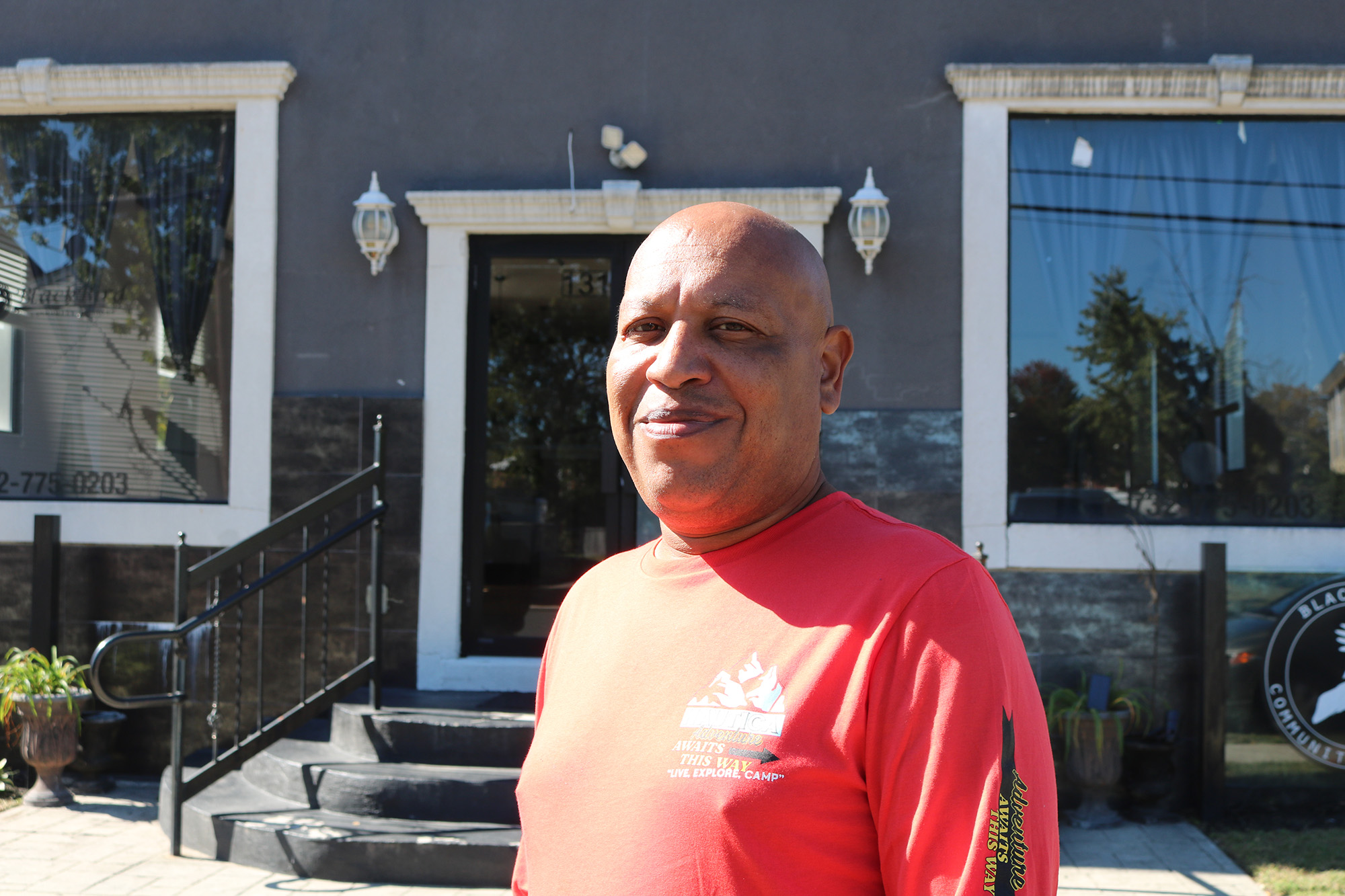
When you step onto the corner of Atkins Avenue and Springwood in Asbury Park’s West Side, there’s a good chance you’ll see Frankie standing outside his building, greeting everyone who passes by. Cars honk, neighbors stop to talk, and laughter carries across the street. To many, Frankie is more than just a familiar face. He's a cornerstone of the community.
Born and raised in Perth Amboy, Frankie made his way to Asbury Park in the early 2000s with one clear purpose: to serve the people. “My sole purpose is just to serve,” he said. “The local bum is the same to me as the mayor of this town. Everyone deserves the same level of compassion and respect.”
The space Frankie now calls Blackbird Community Commons once stood as the Reindeer Rest, a historic hub for the Elks and a meeting place for generations of activists. “It was a space that was meant to serve the community,” he explained. “They had Martin Luther King’s wife there. A lot of social justice and activist work came out of that building.”
When Frankie purchased the long-abandoned building—vacant for nearly twenty-five years—it was far from the lively community space it is today. “It was a total rehab,” he said. “It took eight years.” Despite the obstacles, he remained focused on his vision: to create a place where people could gather, learn, and grow together. “I wanted to do a community center,” he said simply. “A space where kids and young adults could find a purpose. The purpose could be being a local plumber or the next senator.”
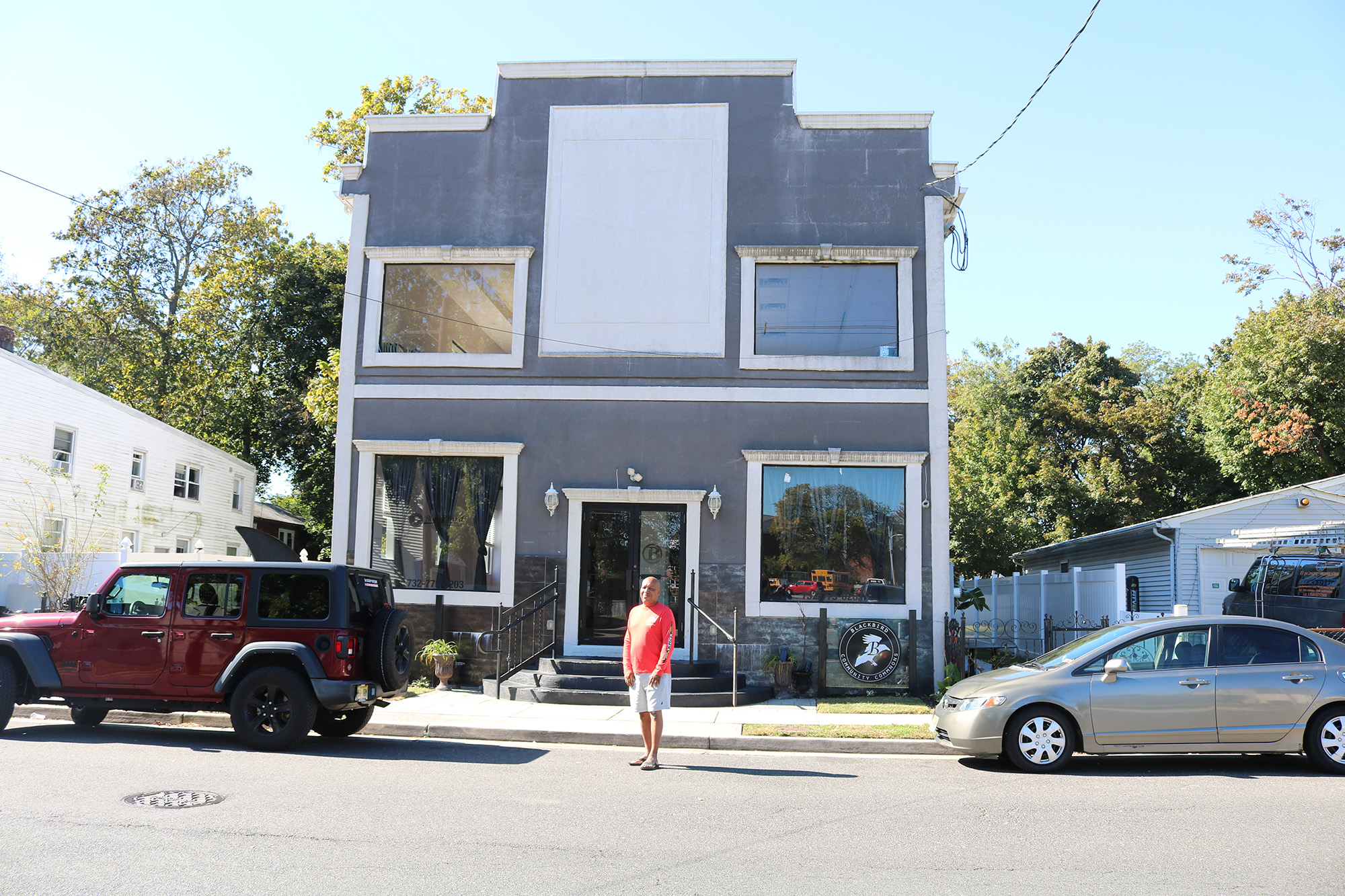
Blackbird officially reopened to the public in 2019, just one year before the pandemic. Since then, thousands have come through its doors for events, meetings, and community programs. Frankie envisions Blackbird as a bridge—a place where people can find support and opportunity no matter their background. “We should be the middle ground,” he said. “It’s only in the numbers. Partnering with the right people, the ones who share the same goal, that’s how we make it happen.”
That spirit of collaboration is what led to Blackbird’s partnership with Project HEAL. The space now serves as a home for community meetings, training, and a growing grief support group that provides comfort to those who have lost loved ones to violence. “Frankie and Blackbird have allowed us to run community meetings and training out of the space,” said one Project HEAL staff member. “All in the name of helping the community and giving them what they need.”
To those who know him, Frankie’s warmth and honesty are as much a part of Blackbird as the walls themselves. He has a deep love for his city and a sharp instinct for people’s intentions. Especially when it comes to the politics and power struggles that sometimes surround community work. Yet no matter how much noise there is around him, Frankie stays grounded in his mission. “Support each other,” he said. “It’s not just about Blackbird. We all have a common goal. To put a smile on people’s faces.”
On any given day, you can still find him outside, talking with neighbors, sharing stories, or checking in on someone who might need a little help. And when you do, you can’t help but feel what makes this corner of Asbury Park special. In Frankie’s world, everyone matters—and that, more than anything, is what community is all about.
Finding Space: How Self-Care Helps Healing Take Root
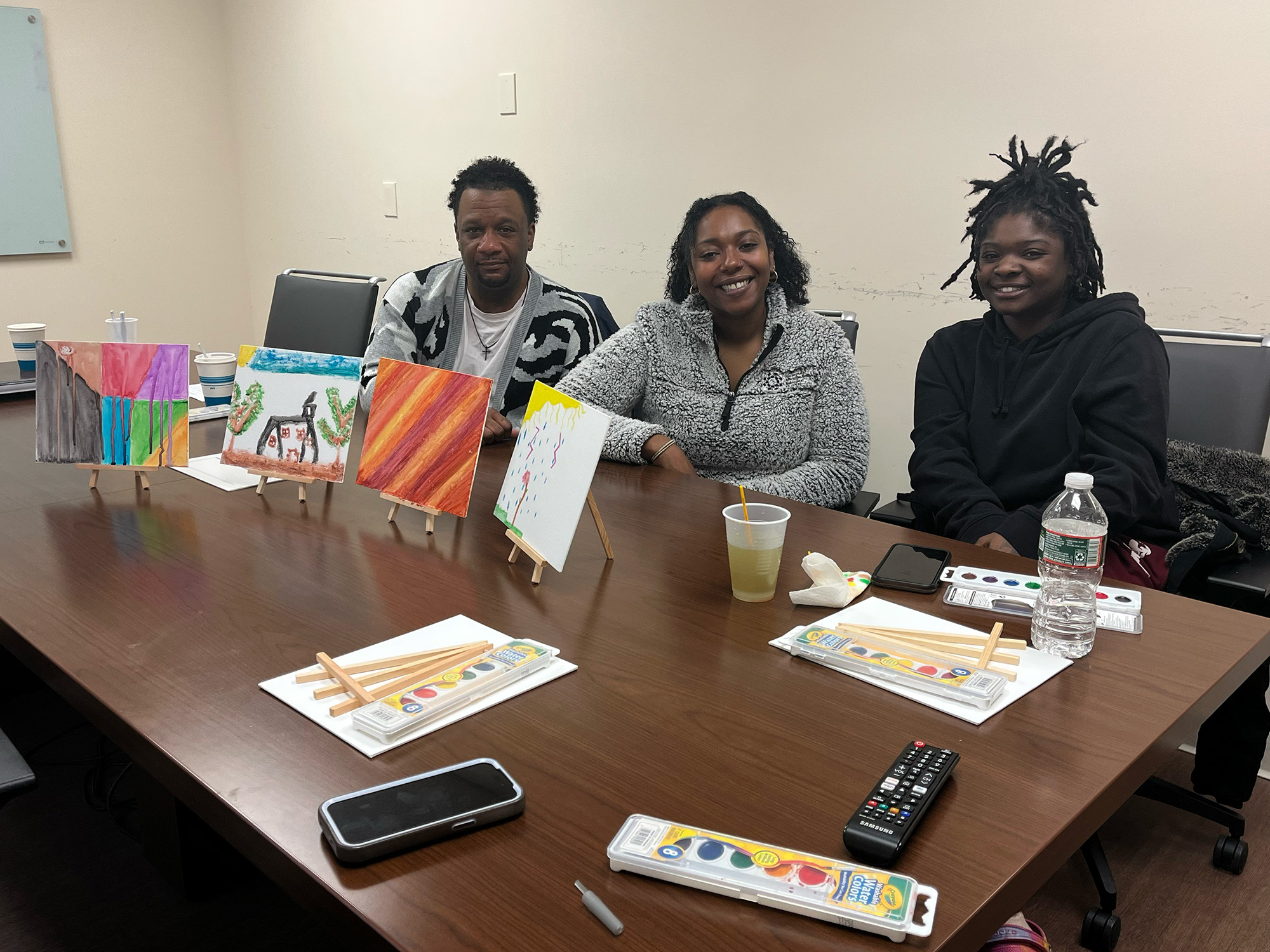
When Project HEAL’s Mental Health Specialist, Dom, first began leading self-care groups, she wasn’t sure what to expect. The idea of “self-care” felt unfamiliar at first, and she admits she didn’t always practice it herself.
“I think it was hard because I’d never practiced self-care,” she says. “So it took a lot of researching activities that could be considered self-care and learning what it really means for different people.”
At first, only a few clients joined the sessions. But word spread quickly. What began with three participants has now grown into a steady, thriving group where people share space, talk, and learn how to take care of themselves again after hardship. In her most recent session, eight people showed up, the biggest yet.
“It’s been fun to see what self-care looks like for each person,” Dom explains. “Something simple like coloring can be really meaningful. We have these meditation coloring books with positive quotes, and it’s amazing to see how calming that can be for people.”
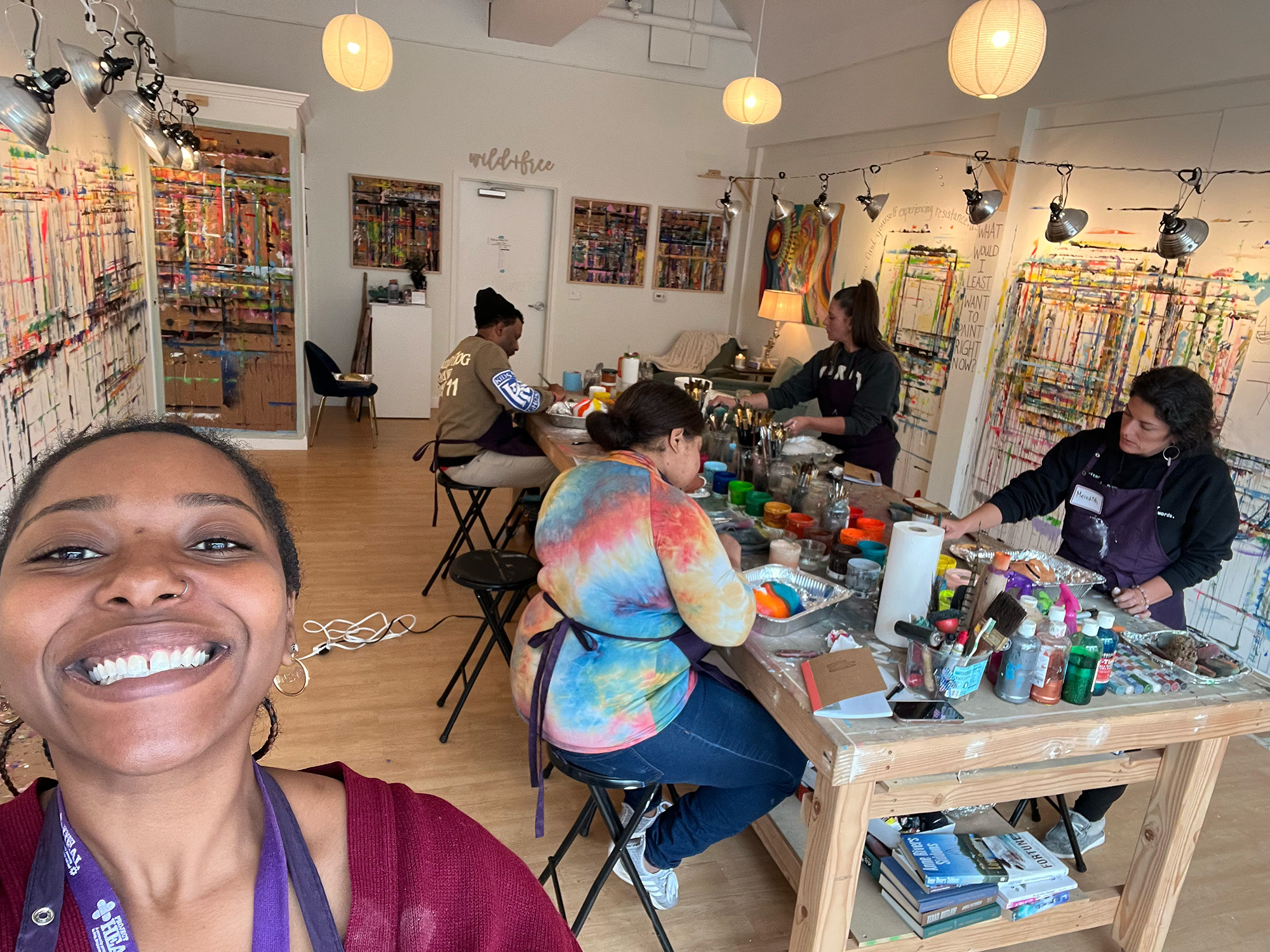
Through her work, Dom has discovered her own form of self-care. She began running again, something she loved before becoming a mother. Now she carves out time each day to move her body, even when the day feels too long.
“I make sure I work out for at least an hour a day,” she says. “Sometimes it’s early in the morning, sometimes it’s late at night. But I’ve made it a priority. My kids even cheer me on now. They know it’s my time.”
That commitment has rippled out beyond her workouts. It has become an example for the people she helps. For many of Project HEAL’s clients, self-care can feel like a foreign concept, especially when survival and recovery take up so much mental space. The group gives them permission to pause, breathe, and focus inward.
Dom says that self-care doesn’t have to be big or expensive. It just has to be intentional.
“You can’t fill someone else’s cup with an empty one,” she says. “Even if it’s taking five extra minutes in the shower or sitting in your car for ten minutes before going inside. Anything can be self-care if you make it intentional.”
That belief has shaped her approach to each group. Some sessions focus on mindfulness or guided discussion. Others might be hands-on, with creative exercises meant to ground and relax the body. But the goal is always the same: to help people reconnect with themselves.
“Most of the people we work with have experienced trauma, and trauma can make you forget what it feels like to take care of yourself,” she says. “These groups are about rediscovering that feeling.”
Dom’s work is a reminder that self-care isn’t selfish. It’s survival. It’s a daily act of reclaiming peace, one small step at a time.
For anyone reading, she offers this advice:
Take a moment for yourself today. It doesn’t have to be long or perfect. It just has to be yours.
Bridging the Gap: Project HEAL Joins National Conversation on Violence Intervention
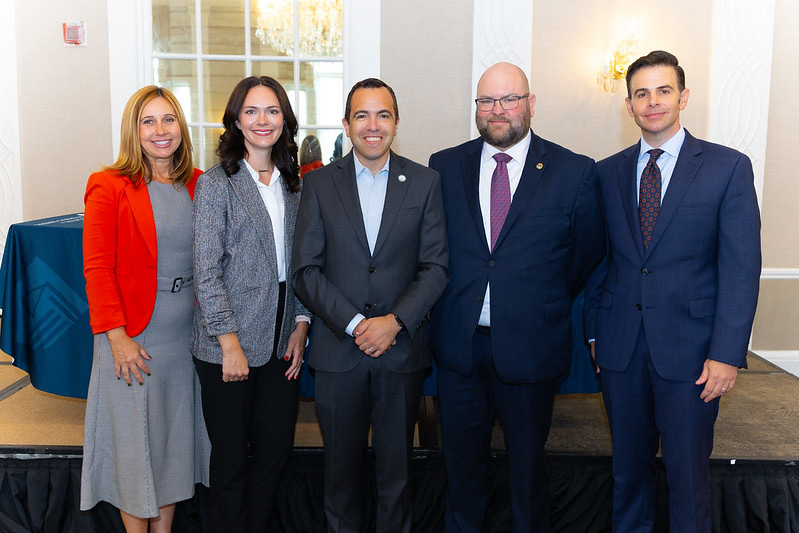
In September, Project HEAL’s Clinical Program Manager, Kristina Vander, joined a panel of national leaders at the 2025 National Association of Attorneys General (NAAG) Eastern Region Meeting in Asbury Park.
The session, “Bridging the Gap: Government and Community Partnerships in Violence Intervention,” brought together experts from across the region to discuss public safety strategies rooted in prevention, equity, and collaboration. Kristina was joined by Patricia Teffenhart, Executive Director of New Jersey’s Division of Violence Intervention and Victim Assistance, and PJ Fox, Director of Community Violence Intervention & Prevention for the Rhode Island Office of the Attorney General.
Together, the panelists explored how states and local programs can work hand-in-hand to create sustainable, community-led solutions that move beyond enforcement and toward healing. They emphasized the importance of credible messengers—people with lived experience who help build trust where systems have historically failed—and the need for consistent, long-term funding to support this work.
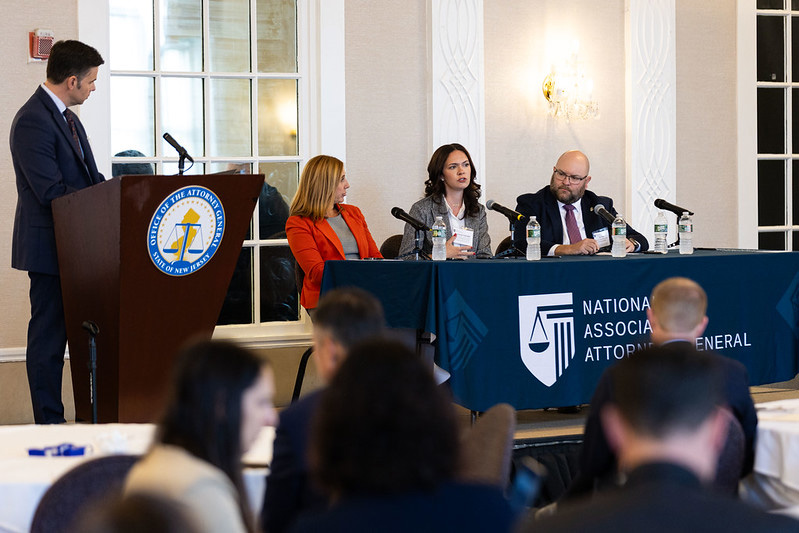
Hosted by New Jersey Attorney General Matthew J. Platkin and NAAG, this year’s regional meeting, themed “Reimagining Public Safety,” convened attorneys general, legal professionals, and advocates to share innovative approaches to violence intervention, firearm safety, and the integration of mental health professionals in public safety responses.
Kristina said the panel was an invaluable opportunity to elevate the life-saving work being done by hospital-based and community-based intervention programs, saving lives throughout the country, throughout New Jersey, like Project HEAL.“It was a privilege to be able to speak on the importance of lived experience—that the investment in credible messengers truly changes the trajectory of one’s life, for the better, in more ways than one,” she shared afterward. “Our work shows that when you invest in people and community partnerships, you can create ripples of change to transform individuals and communities.”
As the conversation around violence prevention continues to grow at the state and national level, Project HEAL remains committed to ensuring that the communities most affected by violence remain at the center of the solution.
Finding Strength in the Silence: Survivors of Domestic Violence and the Power of Healing

Every October, communities across the nation unite to bring awareness to domestic violence, an issue that continues to affect individuals of all ages, genders, and backgrounds. Behind every statistic is a story of survival, courage, and the fight to reclaim one’s voice.
At Project HEAL, survivors are met with compassion, understanding, and the belief that healing is possible. Many arrive in crisis. Afraid, unsure of what comes next. But leave with the tools, support, and confidence to begin again.
One survivor recalls the moment she realized she could no longer live under her abuser’s control. After years of emotional and physical abuse, she reached a breaking point that led her to seek help. “Who I was a few months ago, I’m no longer that person,” she shared. “The Project HEAL nurse took care of me, and my therapist helped me find peace. It’s been absolutely wonderful. I can tell her everything, and she helps me find real solutions.”
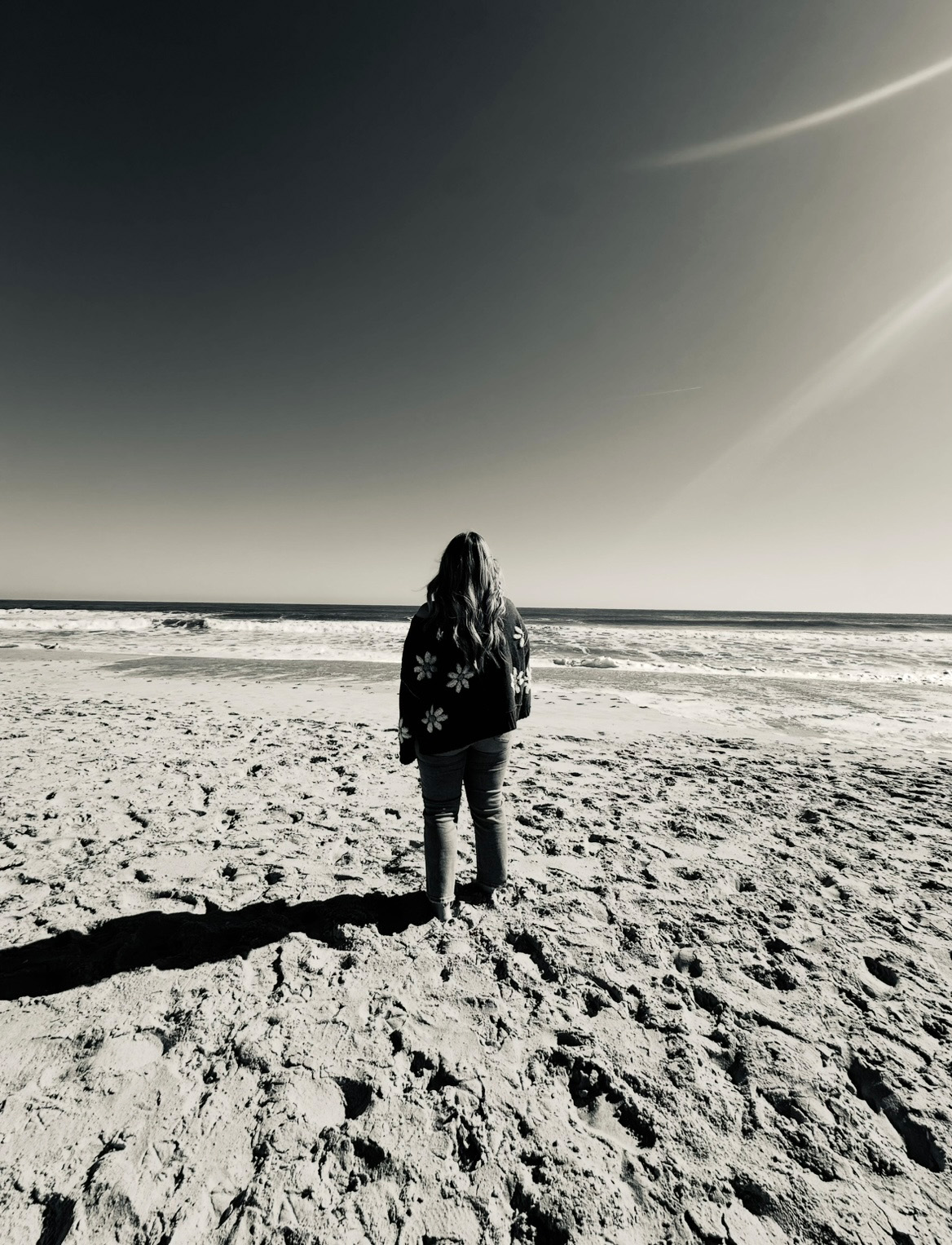
Another survivor, a young woman who endured a relationship marked by control, isolation, and fear, found herself reliving the same patterns of abuse she had witnessed in her childhood. “When you’re in these situations, abusers tend to isolate you from everyone around you,” she said. “I felt like my mom. And that’s the last thing I wanted.”
With Project HEAL’s trauma-informed care, she began the difficult work of processing her experiences and rediscovering her sense of self. “There was a part of me that I lost while I was stuck in that relationship that I have now found again,” she said. “It’s not easy, you have to work for it. But I’ve learned how to trust myself again.”
These stories represent the reality faced by countless individuals. According to national data, millions of people experience domestic violence each year, but far too many never come forward. The shame, fear, and manipulation that accompany abuse often keep victims silent. That’s why awareness matters.
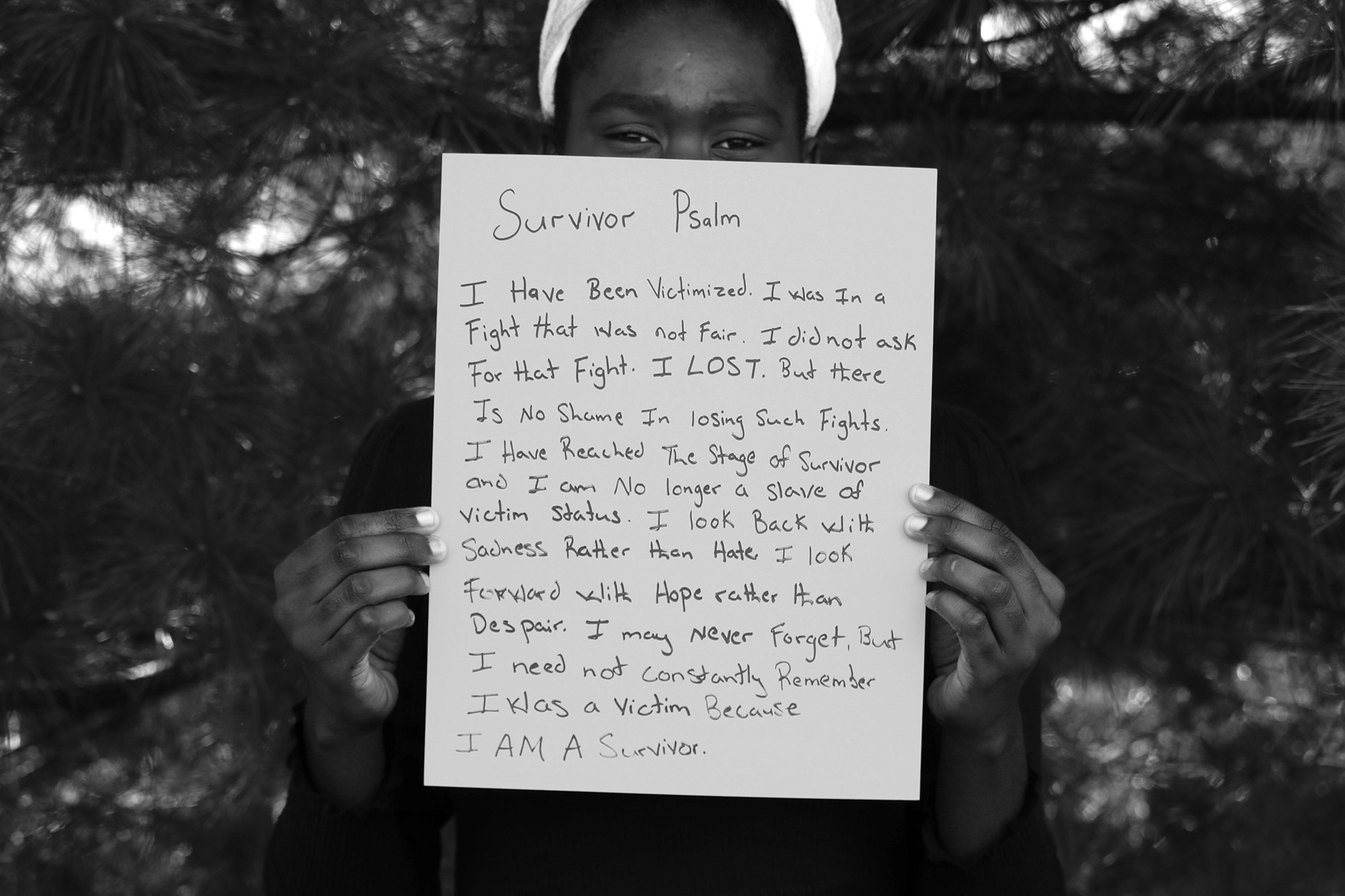
Project HEAL’s approach centers on empowerment. Survivors receive immediate crisis support, counseling, medical coordination, and long-term care to address both emotional and physical trauma. The team also collaborates with community organizations like 180 Turning Lives Around, Inc. to ensure survivors have access to safe housing, legal advocacy, and ongoing support.
Every survivor’s path is different, but all begin with one critical step: reaching out for help.
“If you or someone you know is experiencing behaviors that feel unsafe. Control, isolation, or violence. Please reach out,” said a Project HEAL team member. “You are not alone. There are people who will believe you, help you, and walk with you toward healing.”
If you or someone you know is experiencing domestic violence, contact:
The National Domestic Violence Hotline: (800) 799-7233
Project HEAL: (732) 897-8190
Project HEAL Newsletter July 2025 (PDF)
Project HEAL Newsletter December 2024 (PDF)
Project HEAL Newsletter January 2024 (PDF)
Project HEAL Newsletter November 2023 (PDF)
Project HEAL Newsletter September 2023 (PDF)
Project HEAL Newsletter April 2023 (PDF)
Project HEAL Newsletter August 2022 (PDF)
Project HEAL Newsletter June 2022 (PDF)
Project HEAL Newsletter April 2022 (PDF)
Project HEAL Newsletter February 2022 (PDF)
Project HEAL Newsletter December 2021 (PDF)
Project HEAL Newsletter October 2021 (PDF)
Project HEAL Newsletter August 2021 (PDF)