
U.S. News & World Report

Low Dose Rate (LDR) Brachytherapy in New Jersey
Low Dose Rate (LDR) Brachytherapy involves implants positioned inside or near the tumor for several days or permanently, depending on the type of cancer. LDR Brachytherapy allows us to deliver effective doses of radiation directly to the tumor site while minimizing harm to healthy tissue.What to Expect From Low Dose Rate (LDR) Brachytherapy
While under anesthesia, a small catheter is used to insert tiny titanium seeds containing radiation in or near the tumor. Ultrasound imaging is used to guide placement and a CT scan is used before the procedure is completed to ensure proper placement of the seeds.
This procedure is completed on an outpatient basis and takes approximately just over an hour. The seeds are typically permanent but will cause little to no discomfort.
The radiation lessens after several weeks to months as it delivers an optimal dose of radiation to the tumor while protecting the surrounding healthy tissue. Our physicians review all safety precautions with each patient.
Our Radiation Oncologists
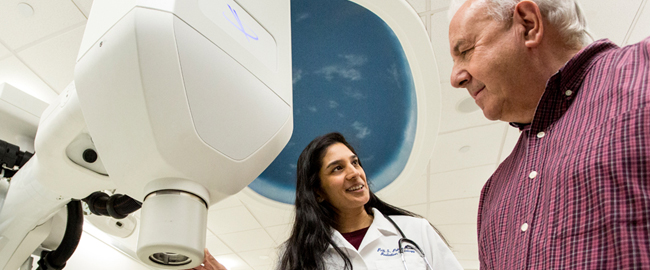
We have numerous radiation oncologists available throughout New Jersey.

For More Information
Interested in learning more about Cancer Care services at Hackensack Meridian Health? Click here to request information.
Patient Resources

How to Form Your Cancer Care Team
Build your cancer care team. Learn about oncologists, surgeons, nurse navigators, and more. Get support and guidance for your journey.

What Is a Sarcoma?
Learn about sarcoma, a rare cancer affecting connective tissue. Understand diagnosis and treatment options. Get reliable information from Hackensack University Medical Center.
What to Expect From Radiation Therapy
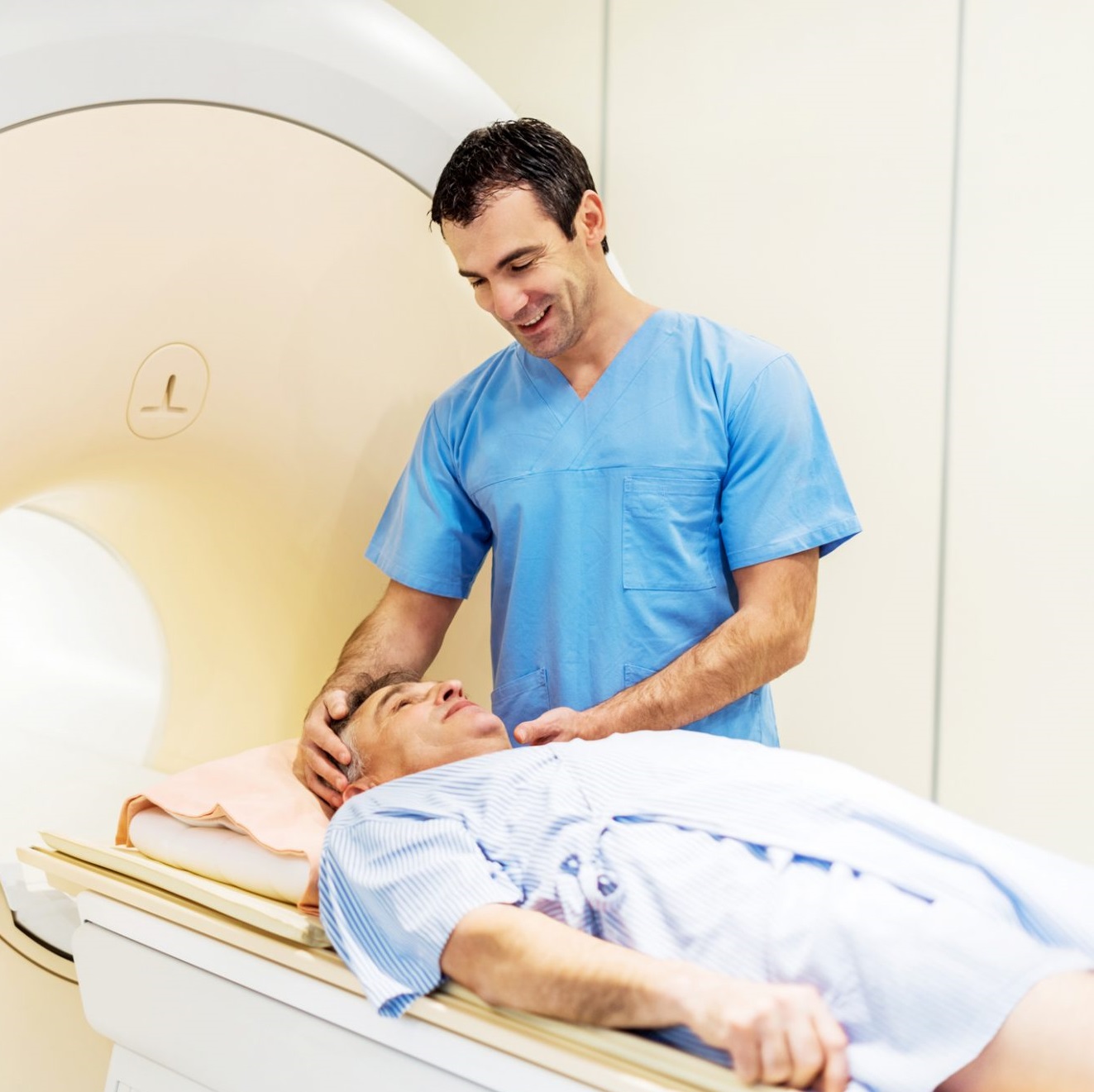
Understanding radiation therapy can help patients prepare and alleviate concerns.

Radiation Therapy for Prostate Cancer
Expert physicians share answers to 8 of the most commonly asked questions about radiation therapy for prostate cancer.