Gastroenterology at Hackensack
Meridian Health
Meridian Health


An Endoscopic Retrograde Cholangiopancreatography, or ERCP, is a simple outpatient exam. The exam typically takes 20 to 40 minutes, after which you will recover and return home the same day. An ERCP helps your physician provide you specific diagnoses and treatment options. In many cases, your physician will even be able to treat any issues during the exam, such as injecting solutions and removing polyps, gallstones or tissue samples (biopsies.)
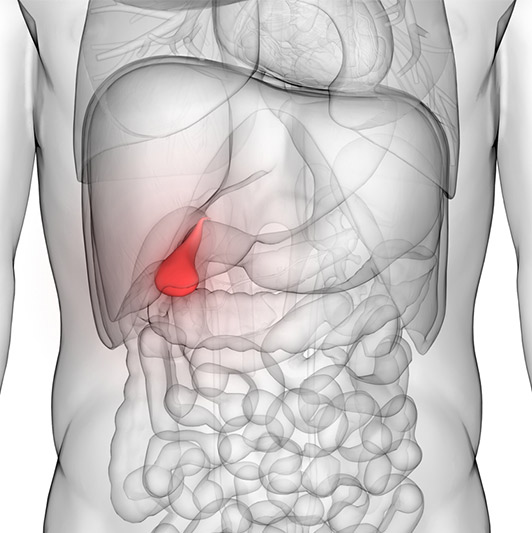
An ERCP takes place in an X-ray room. After the patient is sedated, a special type of endoscope is inserted into the esophagus and is used to help inject dye into the pancreas and bile, which is produced by the liver. Your physician will take X-rays to further examine these areas and will also remove any gallstones or duct blockages, if found.
Find a gastroenterologist, ERCP exam location, learn more about why you should choose Hackensack Meridian Health, or view all of our gastrointestinal services and the conditions we treat.
An ERCP is helpful in correcting issues occurring in the pancreas or bile ducts, such as:
You will need to refrain from eating or drinking anything eight hours prior to the procedure. After the procedure, your physician will review your results with you. You may feel a temporary mild sore throat. Serious risks are rare, such as excessive bleeding, inflammation of the pancreas, or tears in the intestinal wall. You should not drive or operate machinery for the remainder of the exam day. Your physician will be able to provide you with additional information before your exam day.
Other types of exams include certain types of x-rays (CAT scan, CT) and sonography (ultrasound). Your physician will discuss which is best for you.