
Clinical Curriculum
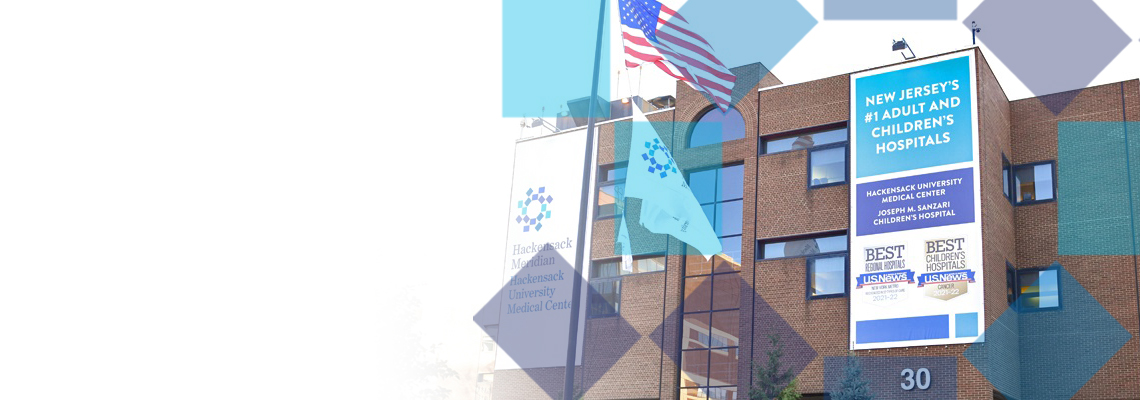
Our ACGME-accredited Emergency Medicine Residency curriculum emphasizes broad-based, high-acuity training with exceptional critical care and pediatric exposure. Located just 15 minutes from New York City, Hackensack University Medical Center (HUMC) is the busiest Emergency Department in New Jersey—and the 5th busiest in the nation—seeing over 150,000 patients annually.
As a designated Level I Trauma Center, STEMI Center, Comprehensive Stroke Center, and Certified Geriatric ED, our clinical environment provides unparalleled pathology. Our curriculum is meticulously designed to provide graded responsibility and cultivate the future leaders of emergency medicine. The academic year is divided into thirteen 4-week blocks, which includes four weeks of protected vacation annually.
PGY-1 Year: The Foundation
Your intern year focuses on building core clinical skills, mastering the rapid diagnostic approach, and establishing a solid foundation in routine emergency medicine care and procedural competency.
| Rotation | Duration |
|---|---|
| Orientation | 4 weeks |
| *Emergency Medicine | 25 weeks |
| Pediatric Emergency Medicine | 4 weeks |
| Trauma | 4 weeks |
| Medical ICU | 4 weeks |
| Obstetrics and Gynecology | 3 weeks |
| Anesthesia & Ultrasound | 4 weeks |
| Vacation | 4 weeks |
PGY-2 Year: Resuscitation & Community
As a second-year resident, you will step into a senior resident role, supporting your junior residents, taking the lead in medical and trauma resuscitations and managing multiple critically ill patients simultaneously.
| Rotation | Duration |
|---|---|
| *Emergency Medicine | 34 weeks |
| Pediatric Emergency Medicine | 2 weeks |
| Community Emergency Medicine | 4 weeks |
| Pediatric Intensive Care Unit | 4 weeks |
| Emergency Medical Services (EMS) | 2 weeks |
| Elective | 2 weeks |
| Vacation | 4 weeks |
PGY-3 Year: Leadership & Mastery
In your final year, you will function as a senior resident. You will help to manage departmental flow, direct all major resuscitations, and oversee junior residents and medical students, polishing your skills for independent, attending-level practice.
| Rotation | Duration |
|---|---|
| *Emergency Medicine | 30 weeks |
| Pediatric Emergency Medicine | 2 weeks |
| Medical Toxicology | 2 weeks |
| Surgical Intensive Care Unit | 2 weeks |
| Critical Care Selective | 2 weeks |
| Advanced Ultrasound | 2 weeks |
| Elective | 4 weeks |
| Vacation | 4 weeks |
* A Unique Approach to Pediatric Emergency Medicine: In addition to dedicated PEM blocks, residents complete longitudinal pediatric shifts dispersed throughout their adult EM blocks. This unique scheduling model equates to more than two additional full blocks of PEM training over your three years, ensuring our graduates are supremely confident in managing pediatric patients of all ages and acuities.
Highlights
Community Emergency Medicine
To ensure our graduates are adaptable to any practice environment, second-year residents spend four weeks at Englewood Hospital Medical Center. This rotation provides vital experience managing patient flow, transferring critical patients, and making high-level clinical decisions in a resource-conscious community Emergency Department setting.
EMS & Flight Medicine
Get hands-on with our high-performance, hospital-based EMS system. During this two-week rotation, residents observe the 911 dispatch process, participate in field responses, and engage pre-hospital staff in educational didactics. Ready to take to the skies? Residents also have the unique opportunity to participate in air medical responses with our AirMed flight team.
Critical Care Selective
We recognize that every resident's career aspirations are unique. To personalize your critical care exposure, PGY-3 residents choose a 2-week Critical Care Selective tailored to their clinical interests. Options include Neuro Critical Care (NCC), Neonatal ICU (NICU), PICU, SICU, MICU, or the MICU Consult Service.
Medical Toxicology & Addiction Medicine
During the PGY-3 year, residents complete a clinical Toxicology rotation working directly with our in-house toxicology faculty, emphasizing an evidence-based approach to poisoned patients. Because our toxicology faculty are also board-certified in addiction medicine, residents receive unparalleled, hands-on experience participating in inpatient addiction medicine consults.
Customizable Electives (6 Weeks Total)
Residents are allotted a total of 6 weeks of elective time (2 weeks in PGY-2, 4 weeks in PGY-3) to pursue fellowship interests or build a competitive CV for their desired career path. While residents are encouraged to design their own electives, our program has established several robust, high-yield opportunities:
- Rural & Tropical Medicine (St. Croix, USVI): Spend 4 weeks in the ED at Gov. Juan Luis Hospital, exposing yourself to a myriad of unique pathologies and the realities of resource-limitations in a tropical medicine setting.
- EM Pharmacotherapy: Work one-on-one with our ED PharmDs to master the nuances, side-effects, and evidence behind the most advanced therapeutics used in daily EM practice.
- Advanced Ultrasound: Building on the foundational POCUS skills acquired during core rotations, this elective is designed for residents with a strong interest in clinical ultrasound or those planning to pursue a fellowship. Working directly with our fellowship-trained Ultrasound faculty, residents move beyond basic credentialing scans to master advanced echocardiography, regional nerve blocks, and advanced bowel and hemodynamic assessments.
- Simulation & Medical Education: In this elective, residents transition from the role of learner to educator. You will work closely with our academic faculty to design high-fidelity simulation cases, master the art of debriefing, and develop core teaching and feedback skills, making this the perfect stepping stone for a future career in academic emergency medicine.
- Healthcare Administration & Leadership: What does it take to run the busiest Emergency Department in New Jersey and the 5th busiest in the United States? This elective pulls back the curtain on ED operations, giving residents a front-row seat to the business and management of emergency medicine. Working alongside our Vice Chairs of Operations and Quality & Patient Safety, residents dive into ED throughput metrics, staffing models, disaster preparedness, and high-level interdepartmental administration.
- Palliative Care: The Emergency Department is often the front door for patients facing the end of life or managing terminal illnesses. This highly requested elective pairs residents with the hospital's Palliative Care consult service. Residents focus on mastering symptom management, advanced care planning, and the nuanced communication skills required to lead compassionate goals-of-care conversations in high-stress environments.
- ICU Consult Service: For residents looking to maximize their resuscitation and critical care expertise, this elective acts as the "tip of the spear" for the hospital's intensive care units. Working alongside critical care attendings and fellows, you will evaluate rapidly decompensating patients on the medical floors and critically ill patients boarding in the ED. You will gain advanced experience in complex procedures, airway management, and the high-level triage and resource allocation skills required to manage ICU bed flow in a massive tertiary care flagship hospital.